


How to Make Your Home Net-Zero Energy Ready
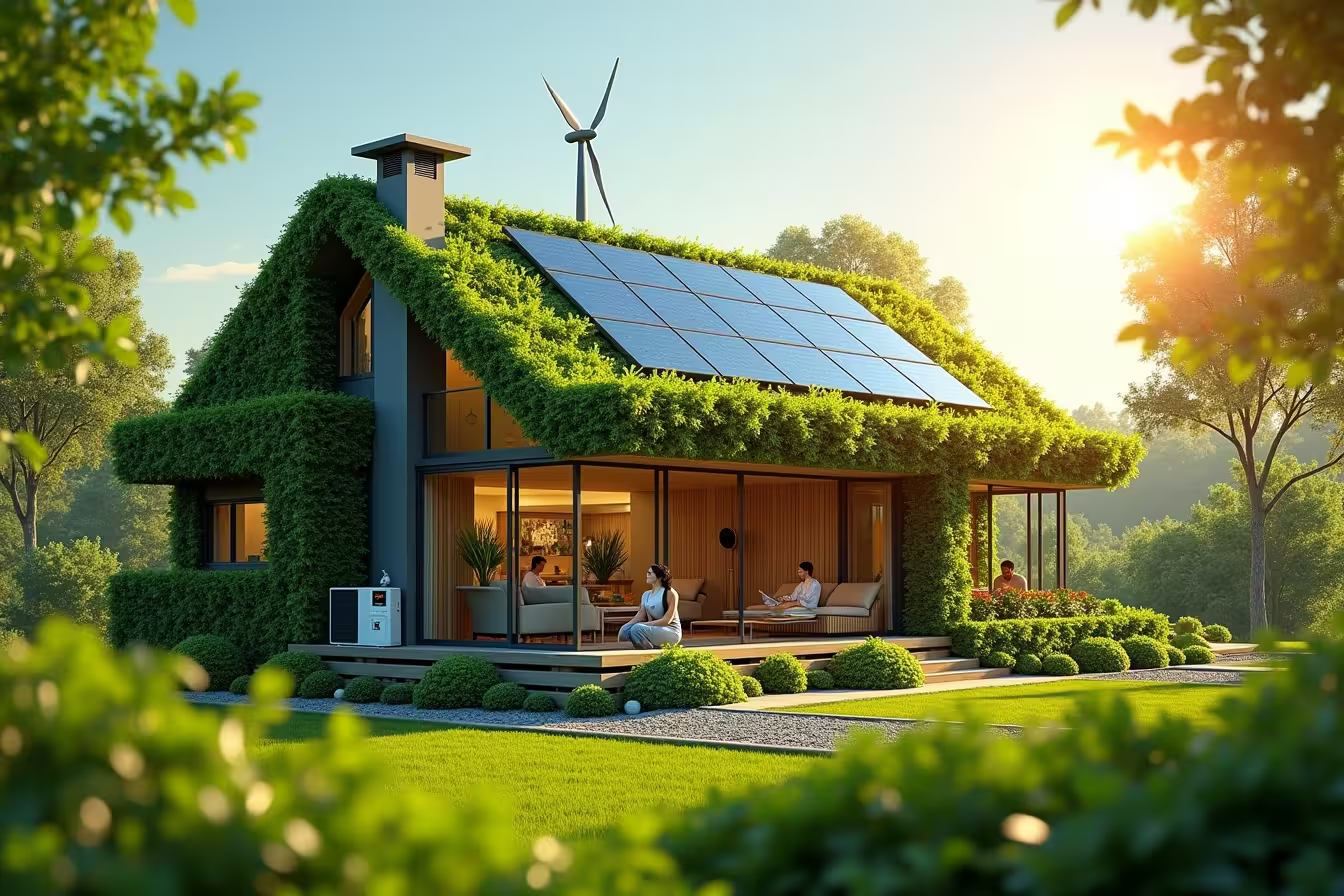
In an era of increasing environmental awareness and rising energy costs, making your home Net-Zero Energy ready is not just a trendy concept, but a practical and responsible choice. A Net-Zero Energy Home Design is one that produces as much energy as it consumes over the course of a year, resulting in a balanced energy equation and a significantly reduced carbon footprint. If you're wondering how to make a house energy neutral, you've come to the right place. In this comprehensive guide, we'll explore the various Energy Efficient Home Upgrades and Sustainable Home Improvements that can transform your living space into an eco-friendly haven.
Understanding Net-Zero Energy: The Basics
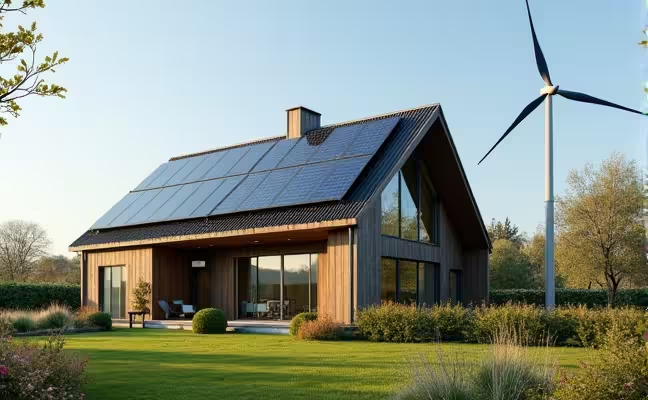
Before diving into the specifics of how to achieve a Net-Zero Energy Home Design, it's crucial to understand what this concept entails. A Net-Zero Energy home is designed to be highly energy-efficient and capable of producing renewable energy on-site to meet its own energy needs. This is typically achieved through a combination of advanced building techniques, energy-efficient appliances, and renewable energy systems like solar panels or wind turbines.
The goal of a Net-Zero Energy home is not just to reduce energy consumption, but to balance it out completely. This means that over the course of a year, the amount of energy produced by the home should equal or exceed the amount of energy consumed. It's an ambitious target, but one that's becoming increasingly achievable with modern technology and design principles.
Step 1: Conducting a Comprehensive Energy Audit
The journey to a Net-Zero Energy home begins with a thorough understanding of your current energy usage. This is where an energy audit comes in. An energy audit is a detailed assessment of how your home uses energy, identifying areas of waste and inefficiency.
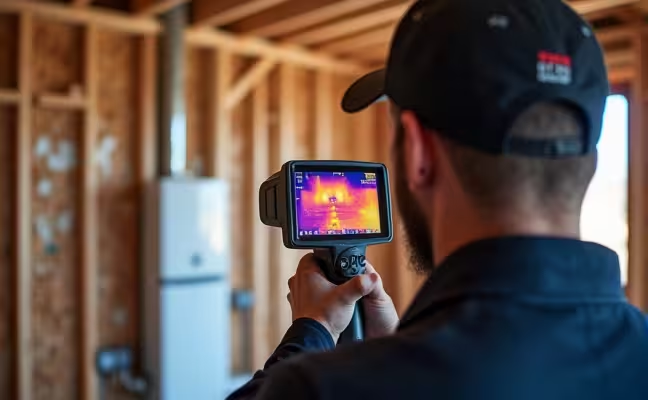
During an energy audit, a professional will inspect various aspects of your home, including:
- Insulation quality in walls, attics, and floors
- Air leaks around windows, doors, and other openings
- Efficiency of heating and cooling systems
- Energy consumption of appliances and lighting
- Overall thermal performance of the building envelope
The auditor may use specialized tools like thermal imaging cameras to detect heat loss and blower door tests to measure air tightness. The results of this audit will serve as a roadmap for your Energy Efficient Home Upgrades, helping you prioritize the most impactful improvements.
Step 2: Enhancing Your Home's Insulation
One of the most crucial Sustainable Home Improvements you can make is upgrading your home's insulation. Proper insulation is the foundation of an energy-efficient home, helping to maintain a comfortable indoor temperature year-round with minimal energy input.
Consider these insulation upgrades:
- Add or upgrade attic insulation to prevent heat loss through the roof
- Insulate exterior walls, which may involve blown-in insulation for existing homes
- Don't forget about floor insulation, especially if you have a crawl space or unheated basement
- Install double or triple-pane windows with low-E coatings to reduce heat transfer
- Use weatherstripping and caulk to seal air leaks around windows and doors
These improvements can dramatically reduce your home's heating and cooling needs, bringing you one step closer to achieving a Net-Zero Energy Home Design.
Step 3: Upgrading to Energy-Efficient Appliances and Systems
Once you've tackled insulation, it's time to focus on the energy consumers within your home. Older appliances and systems can be major energy hogs, so replacing them with modern, energy-efficient models can lead to significant savings.
Consider these Energy Efficient Home Upgrades:
- Replace old HVAC systems with high-efficiency heat pumps or geothermal systems
- Upgrade to ENERGY STAR certified appliances, including refrigerators, washers, dryers, and dishwashers
- Switch to LED lighting throughout your home
- Install a smart thermostat to optimize heating and cooling schedules
- Upgrade your water heater to a heat pump or tankless model
These upgrades not only reduce your energy consumption but also often come with rebates and incentives, making them more affordable in the long run.
Step 4: Harnessing Renewable Energy
To truly achieve a Net-Zero Energy home, you'll need to generate your own clean energy. For most homeowners, this means installing solar panels. Here's what you need to know about adding solar to your home:
- Assess your roof's solar potential, considering factors like orientation, shading, and structural integrity
- Size your solar system based on your energy needs and available roof space
- Consider battery storage to maximize self-consumption of solar energy
- Explore local incentives and tax credits that can offset the cost of installation
While solar is the most common choice, other renewable options like small wind turbines or micro-hydro systems might be viable depending on your location and property characteristics.
Step 5: Implementing Energy Management Systems
To optimize your energy use and production, consider installing a home energy management system. These smart systems can:
- Monitor real-time energy consumption and production
- Automatically adjust heating, cooling, and lighting based on occupancy and preferences
- Integrate with smart appliances to run them during off-peak hours or when solar production is highest
- Provide insights and recommendations for further energy savings
By giving you granular control over your home's energy use, these systems can help you fine-tune your approach to achieving net-zero energy status.
Step 6: Incorporating Passive Design Principles
While active systems like solar panels are crucial, don't overlook the power of passive design in your quest for a Net-Zero Energy Home Design. Passive design techniques work with nature to reduce your home's energy needs:
- Optimize window placement and sizing for solar gain in winter and shading in summer
- Use thermal mass materials like concrete or stone to absorb and release heat slowly
- Design for natural ventilation to reduce cooling needs
- Incorporate green roofs or living walls for additional insulation and cooling
Even if you're working with an existing home, you can often incorporate passive design elements through strategic renovations or additions.
Step 7: Water Conservation Strategies
While not directly related to energy, water conservation is an important aspect of a sustainable, net-zero energy home. Consider these water-saving measures:
- Install low-flow faucets, showerheads, and toilets
- Implement a greywater system to reuse water from sinks and showers for irrigation
- Install a rainwater harvesting system for outdoor water use
- Choose drought-tolerant, native plants for landscaping
By reducing your water consumption, you'll also reduce the energy needed to heat and pump water throughout your home.
Step 8: Cultivating Energy-Conscious Habits
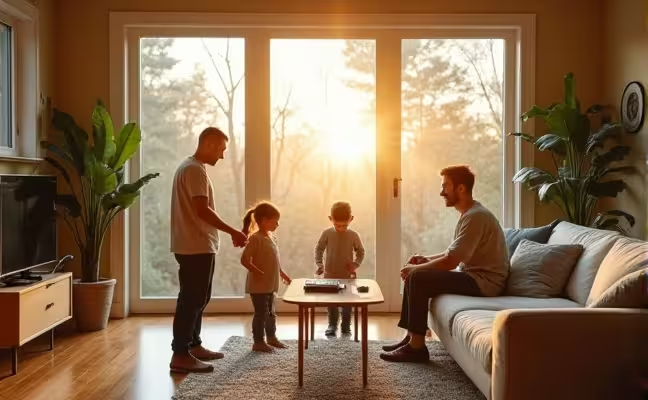
While technological solutions are crucial, achieving a truly Net-Zero Energy home also requires a shift in habits and mindset. Encourage your family to adopt energy-saving behaviors such as:
- Turning off lights and electronics when not in use
- Using natural light and ventilation when possible
- Taking shorter showers and washing clothes in cold water
- Unplugging devices that draw standby power
- Using energy-intensive appliances during peak solar production hours
These small actions, when combined with your other Energy Efficient Home Upgrades, can have a significant impact on your overall energy balance.
DIY Zero Energy Home Projects
While many aspects of creating a Net-Zero Energy home require professional expertise, there are several DIY Zero Energy Home Projects you can tackle to improve your home's efficiency:
- Install weatherstripping around doors and windows
- Add insulation to your attic or crawl space
- Build and install window awnings or solar shades
- Create a compost bin to reduce waste and create nutrient-rich soil for your garden
- Set up a clothesline for natural, energy-free drying
These projects not only contribute to your energy-saving goals but also give you a hands-on role in your home's transformation.
Financial Considerations and Incentives
Transforming your home into a Net-Zero Energy dwelling requires an upfront investment, but it's important to consider the long-term financial benefits:
- Dramatically reduced or eliminated energy bills
- Increased home value
- Protection against future energy price increases
- Potential income from selling excess energy back to the grid
Moreover, there are numerous incentives available to help offset the costs of Energy Efficient Home Upgrades:
- Federal tax credits for renewable energy systems and certain energy-efficient improvements
- State and local rebates for energy-efficient appliances and home improvements
- Utility company incentives for reducing energy consumption
- Low-interest loans or special mortgage products for energy-efficient homes
Research the incentives available in your area to maximize your savings and make your Net-Zero Energy Home Design more affordable.
Conclusion: Your Path to a Net-Zero Energy Home
Creating a Net-Zero Energy home is a journey that requires careful planning, strategic improvements, and a commitment to sustainable living. By following the steps outlined in this guide – from conducting a thorough energy audit to implementing Energy Efficient Home Upgrades and adopting energy-conscious habits – you can transform your home into an eco-friendly, energy-neutral haven.
Remember, the path to net-zero energy doesn't have to be traveled all at once. Start with the most impactful improvements and gradually work your way towards complete energy neutrality. With each step, you'll be reducing your carbon footprint, saving money on energy bills, and creating a more comfortable and sustainable living environment for you and your family.
As someone who's passionate about helping homeowners achieve their sustainability goals, I've seen firsthand how transformative these changes can be. If you're ready to start your journey towards a Net-Zero Energy home but need help connecting with local professionals for energy audits, insulation upgrades, or solar installations, I recommend checking out simpleHome. This platform makes it easy to find and connect with qualified experts in your area who can help turn your Net-Zero Energy Home Design dreams into reality. Together, we can create a more sustainable future, one home at a time.