


5 DIY Mistakes Every Beginner Should Avoid
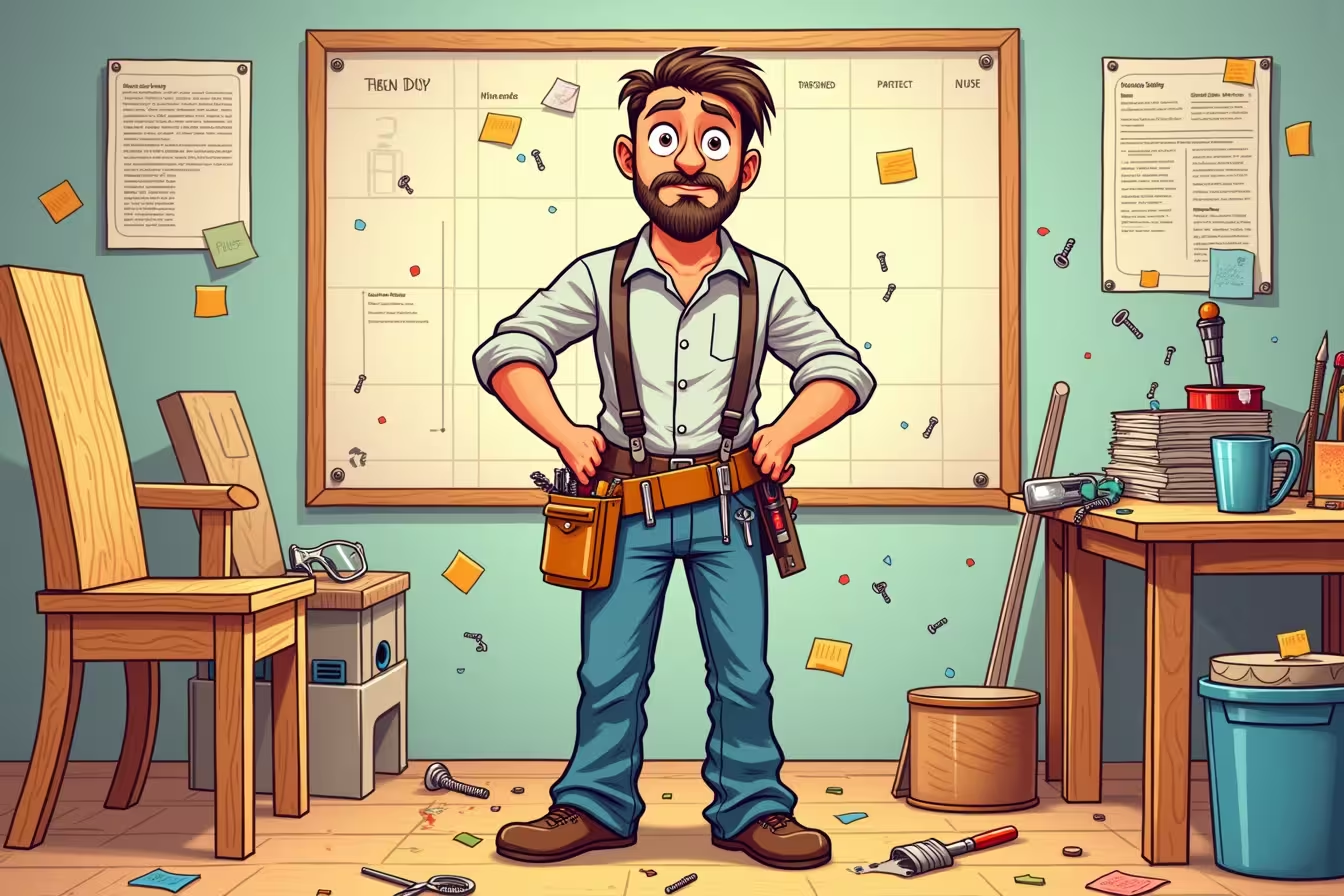
Embarking on your first DIY project can be an exciting and rewarding experience. However, for beginners, it's easy to fall into common pitfalls that can turn your dream project into a nightmare. In this blog post, we'll explore the top five DIY mistakes for beginners and provide valuable DIY tips for beginners to help you avoid these common DIY mistakes. By understanding and steering clear of these DIY project mistakes, you'll be well on your way to successful home improvements and crafty creations.
1. Lack of Planning: The Foundation of DIY Success
One of the most critical DIY mistakes for beginners is diving into a project without proper planning. It's tempting to grab your tools and start working immediately, but this approach often leads to frustration, wasted time, and even costly errors.
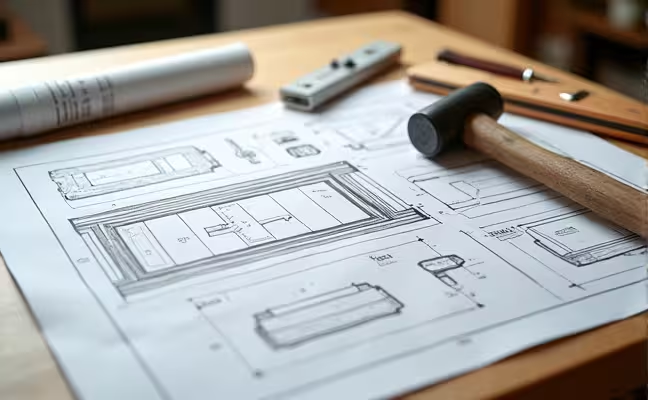
To avoid this DIY mistake, take the time to thoroughly plan your project before you begin. This includes:
- Researching the project thoroughly
- Creating a detailed list of materials and tools needed
- Estimating the time required for each step
- Setting a realistic budget
- Identifying potential challenges and solutions
By investing time in planning, you'll be better prepared to handle any obstacles that may arise during your DIY journey. Remember, a well-planned project is already halfway to success!
2. Skipping Safety Measures: A Dangerous DIY Mistake
When it comes to DIY projects, safety should always be your top priority. Unfortunately, many beginners make the mistake of overlooking crucial safety precautions in their eagerness to get started. This is not only one of the most common DIY mistakes but also potentially the most dangerous.
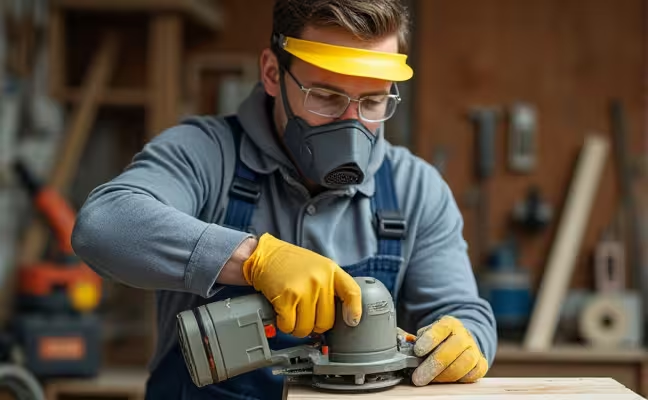
To avoid DIY mistakes related to safety, always:
- Wear appropriate protective gear (safety glasses, gloves, dust masks, etc.)
- Ensure your work area is well-lit and free from hazards
- Read and follow all safety instructions for tools and materials
- Keep a first aid kit readily available
- Know when to call in a professional for potentially dangerous tasks
Remember, no DIY project is worth risking your health or safety. Taking the time to implement proper safety measures will ensure that your DIY experience remains positive and injury-free.
3. Using the Wrong Tools: A Recipe for Frustration
Another common DIY mistake for beginners is using inappropriate tools for the job at hand. While it might seem tempting to make do with what you have, using the wrong tools can lead to poor results, damaged materials, and even personal injury.
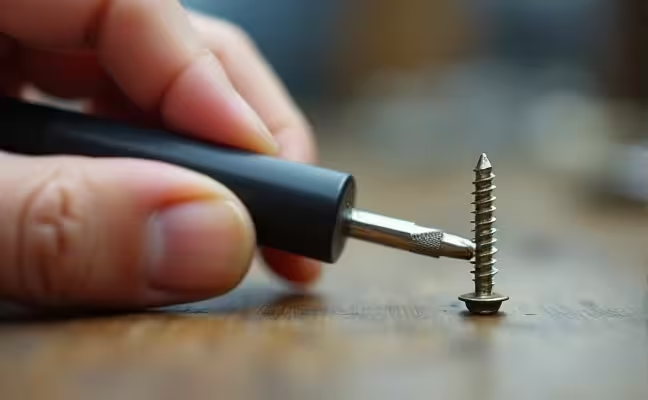
To avoid this DIY project mistake:
- Research and identify the correct tools for each task
- Invest in quality tools that will last for multiple projects
- Learn how to properly use and maintain your tools
- Consider renting specialized tools for one-time use
- Don't force a tool to do a job it wasn't designed for
Using the right tools not only makes your work easier but also ensures better results and safer working conditions. It's an investment that will pay off in the long run as you tackle more advanced DIY projects.
4. Ignoring Instructions: A Shortcut to Failure
In the age of YouTube tutorials and quick-fix solutions, it's easy to fall into the trap of ignoring detailed instructions. This is one of the most prevalent DIY mistakes for beginners, often stemming from overconfidence or impatience. However, skipping instructions can lead to costly errors, wasted materials, and subpar results.
To avoid this common DIY mistake:
- Read all instructions thoroughly before starting the project
- Follow the steps in the order they're presented
- Don't skip steps, even if they seem unnecessary
- Refer back to the instructions frequently during the project
- If something is unclear, seek clarification before proceeding
Remember, instructions are there for a reason. They've been developed by experts who understand the intricacies of the project. By following them carefully, you're setting yourself up for success and avoiding potential pitfalls.
5. Not Preparing for Unexpected Issues: The Reality of DIY
One of the most valuable DIY tips for beginners is to always expect the unexpected. Many novice DIYers make the mistake of assuming everything will go exactly as planned. In reality, DIY projects often come with surprises and challenges that can throw off your timeline and budget.
To avoid being blindsided by unexpected issues:
- Build a buffer into your timeline for unforeseen delays
- Set aside an additional 10-20% of your budget for unexpected expenses
- Research common problems associated with your type of project
- Have a backup plan or alternative solutions in mind
- Know when to take a step back and reassess if things aren't going as planned
By preparing for the unexpected, you'll be better equipped to handle challenges as they arise, reducing stress and increasing the likelihood of a successful project completion.
Additional DIY Tips for Beginners
As you embark on your DIY journey, keep these additional tips in mind to avoid common DIY mistakes:
- Start small: Begin with manageable projects to build your skills and confidence
- Practice on scrap materials: Test techniques and tools before working on your actual project
- Document your progress: Take photos and notes to learn from your experiences
- Join DIY communities: Connect with other enthusiasts for advice and support
- Be patient: Rome wasn't built in a day, and neither are great DIY projects
- Learn from your mistakes: Every error is an opportunity to improve your skills
Conclusion: Embrace the DIY Journey
Avoiding these five common DIY mistakes for beginners will set you on the path to successful and enjoyable home improvement projects. Remember, everyone starts somewhere, and making mistakes is part of the learning process. The key is to learn from these mistakes and continuously improve your skills.
As you gain experience, you'll find that DIY projects become more manageable and rewarding. However, it's important to recognize when a project is beyond your current skill level. That's where I've found simpleHome to be an invaluable resource. As a homeowner myself, I've used simpleHome to connect with local professionals for projects that require specialized expertise. It's a great way to ensure that more complex jobs are done safely and correctly while you continue to develop your DIY skills on manageable projects.
So, grab your tools, plan carefully, prioritize safety, and embark on your DIY adventure with confidence. With these tips in mind, you're well-equipped to avoid common DIY mistakes and create beautiful, functional improvements to your home. Happy DIYing!