


Exploring Biophilic Design in Home Renovations in Toronto
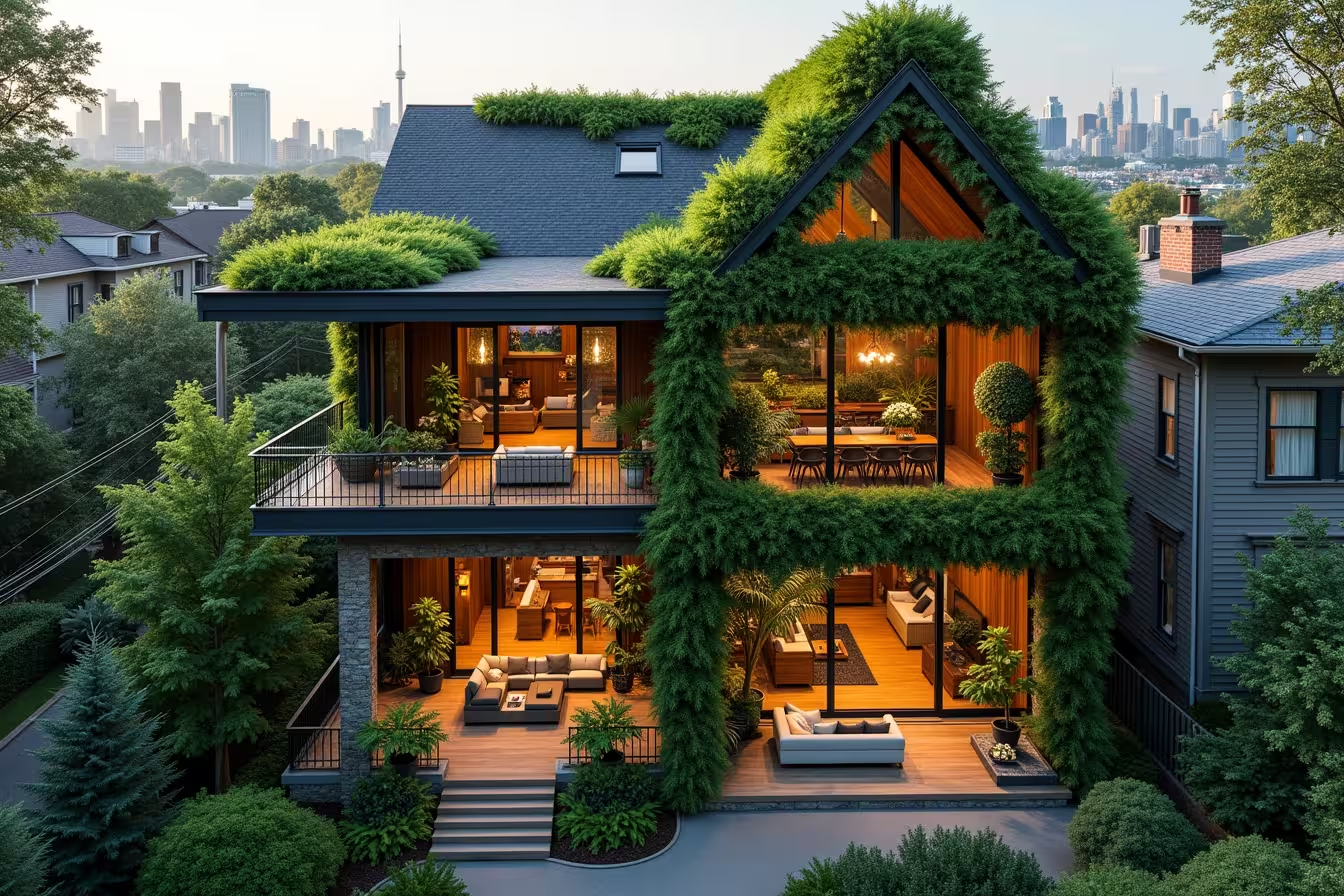
In recent years, a fascinating trend has been taking root in the world of home renovations in Toronto: biophilic design. This innovative approach to interior design is transforming homes across the city, creating spaces that are not only visually stunning but also promote well-being and connection to nature. As we delve into the world of biophilic design, we'll explore its concepts, benefits, and how it's being implemented in Toronto's diverse residential landscape.
Understanding Biophilic Design: Bringing Nature Indoors
Biophilic design is more than just a passing trend; it's a philosophy that recognizes our innate need to connect with nature, even in urban environments. The concept of biophilic design in Toronto is gaining traction as homeowners seek to create spaces that feel more alive, vibrant, and in harmony with the natural world.
At its core, biophilic design aims to incorporate elements of nature into our built environment. This can be achieved through various means, such as the use of natural materials, the integration of plants and greenery, and the maximization of natural light. By doing so, biophilic design creates spaces that not only look beautiful but also contribute to our overall well-being.
Key Elements of Biophilic Design in Home Renovations
When it comes to home renovations in Toronto, there are several key elements that characterize biophilic design:
- Natural Materials: The use of wood, stone, and other natural materials is fundamental to biophilic design. These materials bring texture, warmth, and a sense of authenticity to spaces.
- Plants and Greenery: Incorporating living plants into interior spaces is a hallmark of biophilic design. This can range from small potted plants to dramatic living walls.
- Natural Light: Maximizing natural light through large windows, skylights, or strategically placed mirrors is crucial in biophilic design.
- Nature-inspired Patterns and Textures: Even in the absence of actual natural elements, designs that mimic natural patterns and textures can evoke a connection to nature.
- Water Features: The sound and sight of water can have a calming effect and is often incorporated into biophilic designs.
- Views of Nature: Where possible, biophilic design seeks to create or enhance views of natural landscapes outside the home.
The Benefits of Biophilic Design in Toronto Homes
The appeal of biophilic design goes far beyond aesthetics. Research has shown that incorporating natural elements into our living spaces can have profound effects on our physical and mental well-being. Some of the benefits of biophilic design include:
- Reduced Stress: Exposure to natural elements has been shown to lower cortisol levels and reduce stress.
- Improved Cognitive Function: Biophilic environments can enhance creativity, clarity of thought, and overall cognitive performance.
- Better Air Quality: The incorporation of plants can naturally purify the air, removing toxins and increasing oxygen levels.
- Enhanced Mood: Natural light and greenery have been linked to improved mood and reduced symptoms of depression.
- Increased Productivity: In home office spaces, biophilic design elements can boost productivity and job satisfaction.
- Faster Recovery: For those recovering from illness or injury, exposure to nature and natural elements can expedite healing.
In the context of Toronto's fast-paced urban environment, these benefits can significantly improve quality of life for homeowners.
Biophilic Design in Action: Toronto Case Studies
To better understand how biophilic design is being implemented in home renovations across Toronto, let's look at a couple of inspiring examples:
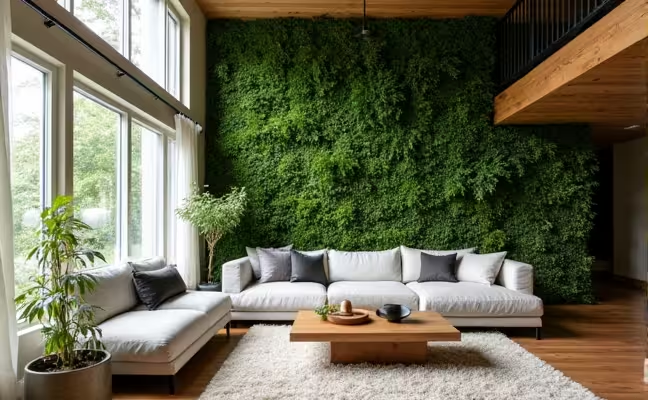
This stunning renovation of a Victorian house in Toronto showcases the dramatic impact of biophilic design. The centerpiece of the renovation is a sprawling living green wall that stretches from floor to ceiling, bringing a lush, verdant feel to the interior. Large windows flood the space with natural light, while furniture made from natural materials like wood and stone completes the biophilic aesthetic. This renovation beautifully demonstrates how eco-friendly home renovations can transform a traditional space into a nature-inspired haven.
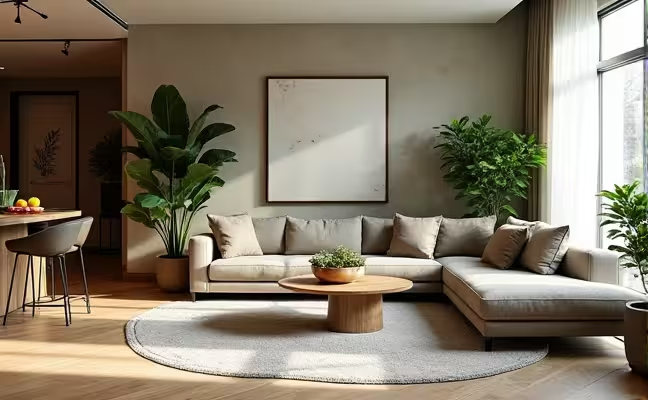
In contrast, this modern Toronto condo takes a different approach to biophilic interior design. Here, nature-inspired textures and patterns on the walls and floor create a subtle connection to the natural world. Large indoor plants are strategically placed to add life and vibrancy to the space, while a big window allows ample sunlight to filter in. This example shows how biophilic design can be adapted to suit different architectural styles and personal preferences.
Overcoming Challenges in Biophilic Design
While the benefits of biophilic design are clear, implementing it in home renovations in Toronto can come with its own set of challenges. Some common issues include:
- Maintenance of Living Elements: Caring for indoor plants and living walls requires ongoing attention and maintenance.
- Managing Natural Light: While natural light is beneficial, it needs to be balanced to avoid glare and overheating.
- Cost Considerations: Some biophilic design elements, like high-quality natural materials or custom installations, can be costly.
- Space Constraints: In smaller Toronto homes or condos, incorporating large natural elements can be challenging.
However, with careful planning and the right expertise, these challenges can be overcome. For instance, automated watering systems can simplify plant care, while smart lighting solutions can help manage natural light effectively. Working with a professional experienced in sustainable home renovations can help navigate these challenges and find creative solutions.
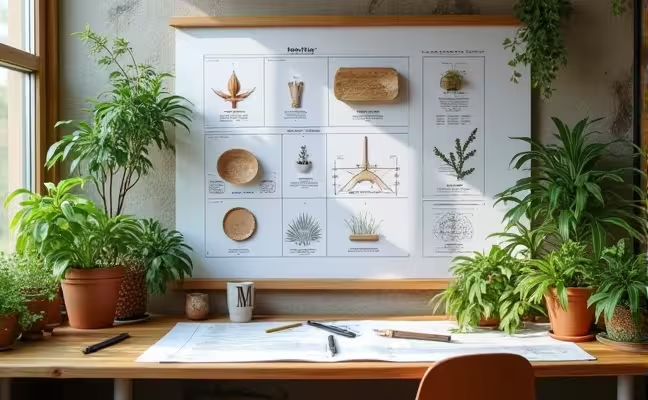
This image showcases a professional designer's workspace, illustrating the complex planning that goes into biophilic design. The blueprints and mood boards highlight various elements of biophilic design, from natural materials to plant placement and light optimization techniques. The presence of advanced tools for maintaining indoor plants and managing natural light demonstrates the technical aspects of implementing and maintaining biophilic design in Toronto homes.
The Future of Biophilic Design in Toronto
As awareness of the benefits of biophilic design grows, we can expect to see this trend continue to flourish in Toronto's home renovation landscape. Some exciting developments on the horizon include:
- Smart Biophilic Technology: Integration of smart home technology with biophilic elements, such as automated plant care systems or circadian lighting that mimics natural light patterns.
- Vertical Gardens: As space becomes increasingly premium in Toronto, we may see more innovative vertical garden solutions in homes.
- Biophilic Materials Innovation: Development of new materials that mimic natural textures and properties while being more durable and sustainable.
- Holistic Biophilic Renovations: Rather than isolated elements, we may see more whole-home renovations that fully embrace biophilic principles throughout.
Getting Started with Biophilic Design in Your Toronto Home
If you're considering incorporating biophilic design into your home renovations in Toronto, here are some steps to get started:
- Assess Your Space: Look at your home with fresh eyes and identify areas where natural elements could be incorporated.
- Start Small: Begin with simple additions like potted plants or natural material accents before committing to larger renovations.
- Maximize Natural Light: Consider ways to increase natural light in your home, such as enlarging windows or adding skylights.
- Choose Natural Materials: When replacing furniture or finishes, opt for natural materials like wood, stone, or bamboo.
- Incorporate Water: Consider adding a small water feature to bring the soothing sounds of nature into your home.
- Seek Professional Help: For more extensive biophilic renovations, consult with a professional designer or contractor experienced in eco-friendly home renovations.
Conclusion: Embracing Nature in Toronto Homes
Biophilic design represents an exciting frontier in home renovations in Toronto. By bringing elements of nature into our living spaces, we can create homes that are not only beautiful but also contribute to our overall well-being. As we continue to seek balance in our urban lives, biophilic design offers a way to reconnect with nature, even in the heart of the city.
As someone who's passionate about home design and renovation, I've seen firsthand the transformative power of biophilic design. That's why I'm excited about simpleHome, a platform that connects homeowners with local professionals who specialize in sustainable and biophilic design. Whether you're looking to add a few natural elements to your space or embark on a full biophilic renovation, simpleHome can help you find the right experts to bring your vision to life.