


Designing a Home That Adapts to Your Changing Needs
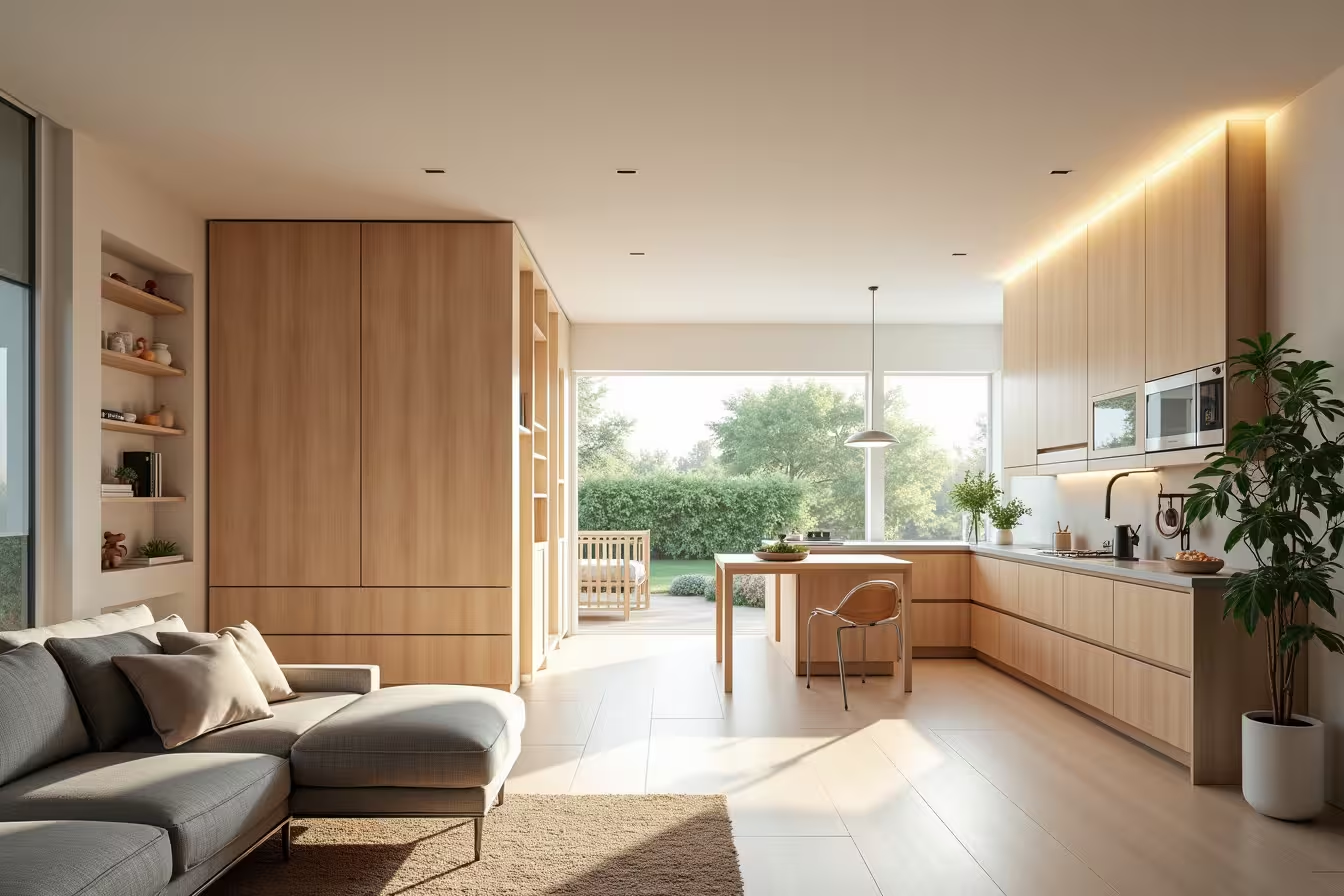
When it comes to creating a living space that truly stands the test of time, adaptable home design is the key to success. As our lives evolve, so do our needs, and our homes should be able to keep up with these changes. In this comprehensive guide, we'll explore the various aspects of flexible house plans and home design for changing needs, helping you create a future-proof home that adapts to your lifestyle at every stage.
1. Design for Accessibility: The Foundation of Adaptable Home Design
One of the most crucial elements in creating a home that adapts to your changing needs is accessibility. This concept goes beyond just accommodating current requirements; it's about anticipating future needs and ensuring your home can evolve with you.
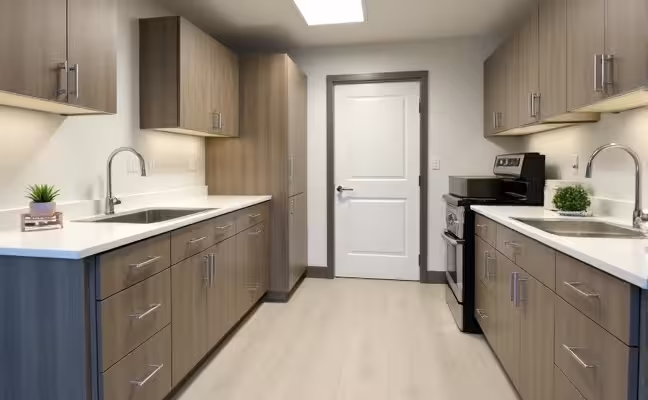
As shown in the image above, an accessible kitchen design incorporates various features that cater to different needs. Some key elements to consider when designing for accessibility include:
- Wider doorways and hallways to accommodate wheelchairs or walkers
- Adjustable height counters and cabinets
- Easy-grip handles and knobs on cabinets and appliances
- Non-slip flooring materials to prevent accidents
- Lever-style door handles instead of traditional doorknobs
- Curbless showers with built-in seating
- Handrails in bathrooms and along staircases
By incorporating these features into your home design, you're not only preparing for potential mobility issues but also creating a more comfortable and user-friendly space for everyone, regardless of age or ability.
2. Flexible Space Planning: The Heart of Home Design for Changing Needs
Our needs change over time, and so should our living spaces. Flexible space planning is a crucial aspect of adaptable home design, allowing rooms to serve multiple purposes and adapt to different life stages.
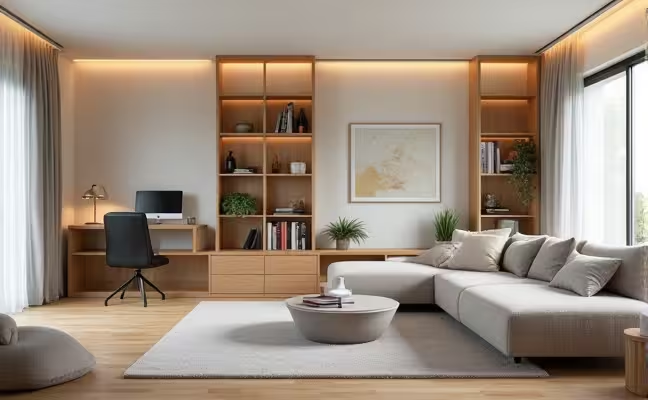
As illustrated in the image above, an open-concept living space with movable walls or partitions offers incredible versatility. Here are some ideas to incorporate flexible space planning into your home:
- Open floor plans that can be easily reconfigured
- Multipurpose rooms that can serve as a home office, guest room, or nursery
- Movable walls or sliding partition systems
- Modular furniture that can be rearranged or repurposed
- Built-in storage solutions that can adapt to changing needs
- Loft spaces that can be converted into additional living areas
By embracing flexible space planning, you're creating a home that can grow and change with your family, ensuring that your living space remains functional and comfortable for years to come.
3. Sustainable Materials: Building a Future-Proof Home
As we become more environmentally conscious, incorporating sustainable materials into our home design is not just a trend but a necessity. Opting for eco-friendly, durable materials ensures that your home will stand the test of time while minimizing its impact on the environment.
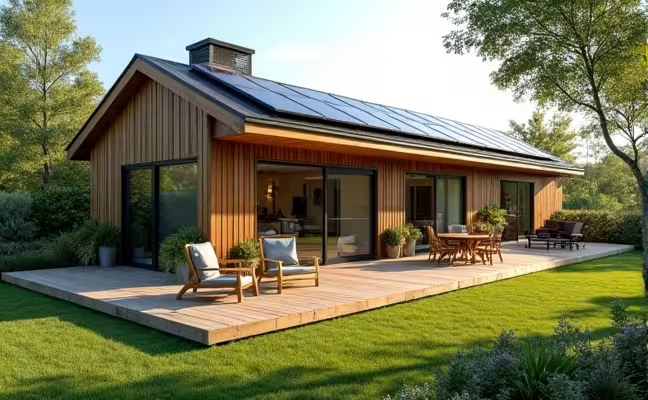
The image above showcases an eco-friendly home exterior that incorporates various sustainable features. When selecting materials for your adaptable home design, consider the following:
- Recycled or reclaimed wood for flooring and furniture
- Low-VOC paints and finishes to improve indoor air quality
- Energy-efficient windows and doors
- Sustainable insulation materials like recycled denim or cellulose
- Bamboo or cork flooring as alternatives to traditional hardwood
- Solar panels for renewable energy generation
- Rainwater harvesting systems for water conservation
By investing in sustainable materials and systems, you're not only creating a healthier living environment but also potentially reducing long-term maintenance and energy costs.
4. Smart Home Technology: The Future of Adaptable Home Design
Incorporating smart home technology into your future-proof home designs is no longer a luxury but a necessity. These systems can provide comfort, security, and efficiency while adapting to your changing needs over time.
Some essential smart home features to consider include:
- Programmable thermostats for energy-efficient climate control
- Automatic lighting systems with motion sensors
- Smart security systems with remote monitoring capabilities
- Voice-controlled assistants for hands-free operation of various devices
- Smart appliances that can be controlled via smartphone apps
- Automated window treatments for privacy and light control
- Water leak detection systems to prevent damage
These technologies not only make your home more convenient and efficient but can also be especially helpful for seniors or those with mobility issues, allowing them to maintain independence and control over their living environment.
5. Prioritizing Storage Solutions in Flexible House Plans
As our lives evolve, so do our storage needs. Designing ample, flexible storage options is crucial in creating a home that adapts to your changing needs. Here are some innovative storage solutions to consider:
- Built-in shelving units that can be easily reconfigured
- Under-stair storage systems
- Murphy beds or fold-down desks for multipurpose rooms
- Ceiling-mounted storage in garages or basements
- Hidden storage compartments in furniture or flooring
- Modular closet systems that can be adjusted as needs change
- Pull-out pantry shelves for easy access in kitchens
By incorporating these versatile storage solutions, you can ensure that your home remains organized and clutter-free, regardless of how your storage needs may change over time.
6. Outdoor Spaces: Extending Your Adaptable Home Design
When designing a home that adapts to your changing needs, don't forget about outdoor spaces. A well-designed yard, patio, or balcony can serve multiple purposes and enhance your overall living experience. Consider the following ideas:
- Modular deck or patio designs that can be easily expanded or reconfigured
- Low-maintenance landscaping with native plants
- Outdoor kitchens or entertaining areas
- Raised garden beds for accessible gardening
- Retractable awnings or pergolas for shade and weather protection
- Multi-functional outdoor furniture that can be easily stored or repurposed
- Water features that provide both visual appeal and soothing sounds
By extending your adaptable home design to outdoor spaces, you're creating additional living areas that can be enjoyed throughout different life stages and seasons.
7. Aging in Place: The Ultimate Goal of Home Design for Changing Needs
One of the most important aspects of adaptable home design is planning for aging in place. This concept involves creating a living environment where you can remain safe, independent, and comfortable, regardless of age or ability level.
Key features to incorporate for aging in place include:
- No-step entries to the home and between rooms
- Single-floor living with all essential rooms on the main level
- Bathroom grab bars and walk-in showers
- Adequate lighting throughout the home, including task lighting in key areas
- Slip-resistant flooring materials
- Easy-to-use controls and handles on doors, faucets, and appliances
- Stairlifts or elevators for multi-story homes
By incorporating these features into your home design, you're creating a space that can accommodate your needs throughout your entire life, potentially avoiding the need for costly renovations or relocation in the future.
8. Creating a Healthy Environment: The Foundation of Future-Proof Home Designs
A truly adaptable home design should prioritize the health and well-being of its occupants. This involves careful consideration of indoor air quality, lighting, and overall comfort. Here are some ways to create a healthier living environment:
- Use materials that don't off-gas harmful chemicals
- Install proper ventilation systems to ensure good air circulation
- Maximize natural light through strategic window placement and skylights
- Incorporate plants into your interior design for improved air quality
- Use hypoallergenic materials in bedding and furniture
- Install water filtration systems for clean, healthy drinking water
- Create designated "tech-free" zones to promote relaxation and better sleep
By focusing on these aspects of healthy living, you're creating a home that not only adapts to your changing needs but also supports your overall well-being throughout different life stages.
Conclusion: Embracing Adaptable Home Design for a Brighter Future
Designing a home that adapts to your changing needs is an investment in your future comfort, independence, and quality of life. By incorporating principles of accessibility, flexibility, sustainability, and technology, you can create a living space that truly stands the test of time.
As someone who's passionate about home design, I've seen firsthand how adaptable homes can transform people's lives. That's why I'm excited to share that simpleHome is here to help you connect with local professionals who specialize in creating future-proof home designs. Whether you're building from scratch or renovating an existing space, our network of experts can guide you through the process of creating a home that will grow and change with you for years to come.
Remember, your home is more than just a place to live – it's a reflection of your lifestyle, values, and aspirations. By embracing adaptable home design, you're not just preparing for the future; you're creating a space that will support and inspire you every step of the way. So why wait? Start planning your flexible, future-proof home today and enjoy the peace of mind that comes with knowing your living space will always meet your needs, no matter what life has in store.