


The Dos and Don'ts of Pressure Washing Your Home
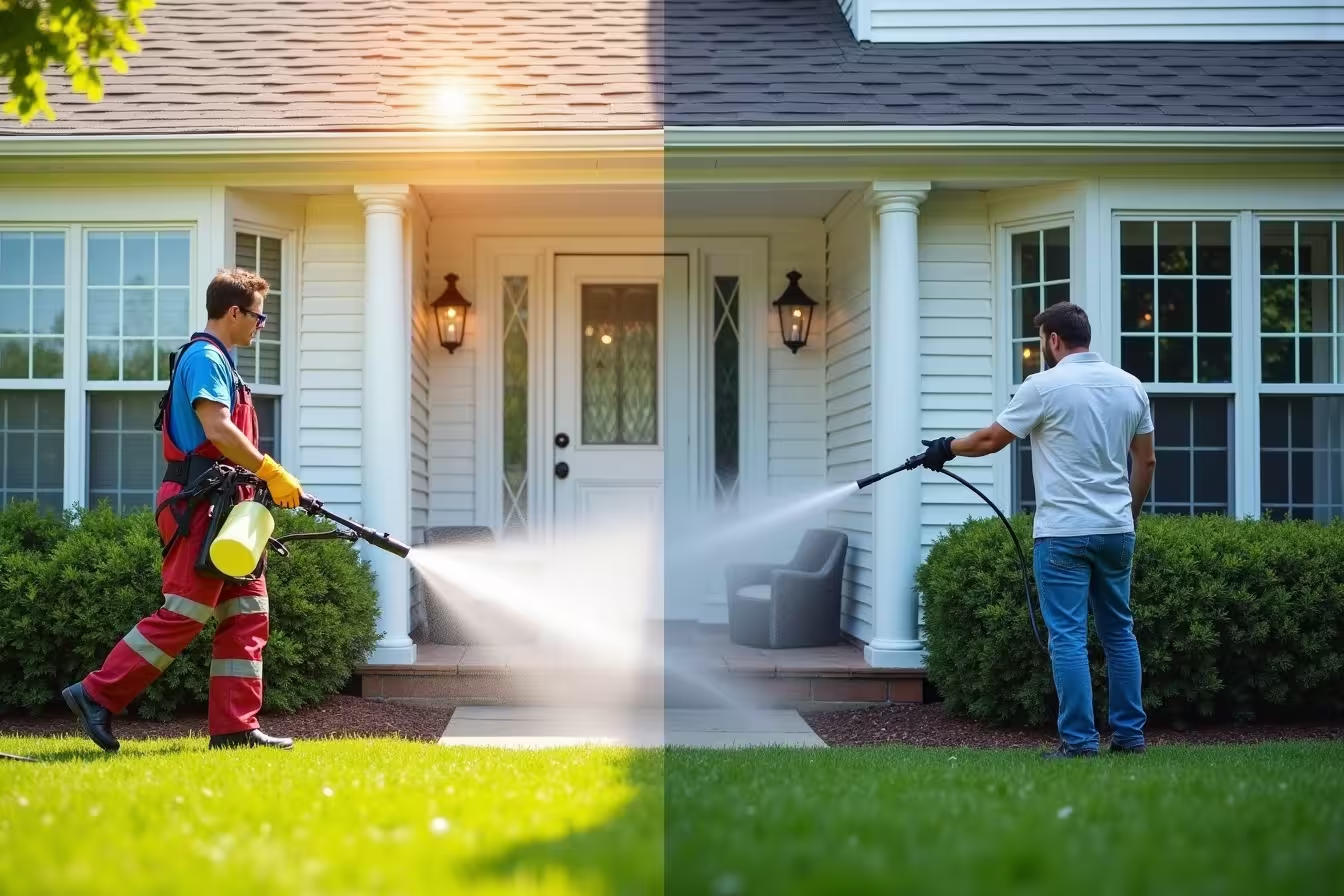
Pressure washing your home can be an incredibly satisfying way to revitalize its exterior, but it's not as simple as pointing a hose and spraying away. This comprehensive guide will walk you through the essential dos and don'ts of pressure washing, ensuring you achieve sparkling results without damaging your property. Whether you're a DIY enthusiast or considering professional help, these pressure washing tips will help you navigate the process with confidence.
Understanding the Basics: What is Pressure Washing?
Before we dive into the dos and don'ts, let's establish a clear understanding of what pressure washing entails. Pressure washing, also known as power washing, is a cleaning method that uses high-pressure water spray to remove dirt, grime, mold, and other stubborn residues from exterior surfaces. It's an efficient way to clean your home's exterior, but it requires careful handling to avoid potential damage.
The key to successful pressure washing lies in understanding the balance between power and precision. Too much pressure can damage delicate surfaces, while too little might not effectively clean. This home pressure washing guide will help you strike that perfect balance.
The Right Equipment: Choosing Your Pressure Washer
One of the most crucial pressure washing tips is selecting the right equipment for the job. Not all pressure washers are created equal, and using the wrong type can lead to subpar results or even property damage.
Pressure washers typically fall into three categories:
- Light-duty (up to 2000 PSI): Ideal for cleaning outdoor furniture, vehicles, and small decks
- Medium-duty (2000-2800 PSI): Suitable for driveways, sidewalks, and siding
- Heavy-duty (2800+ PSI): Best for large areas and tough stains on concrete or metal surfaces
When learning how to pressure wash your home, it's essential to match the washer's power to the surface you're cleaning. For most residential uses, a medium-duty washer will suffice. However, always err on the side of caution and start with a lower pressure setting, gradually increasing as needed.
Safety First: Essential Precautions
Before you start your pressure washing project, safety should be your top priority. The high-pressure water stream can cause serious injury if not handled properly. Here are some best home pressure washing practices to keep in mind:
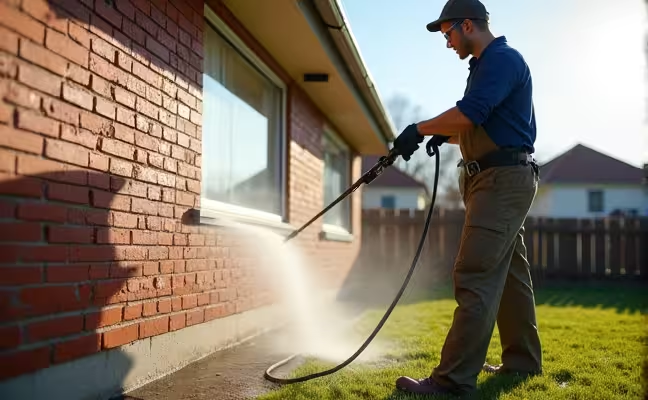
- Wear appropriate safety gear, including closed-toe shoes, long pants, gloves, and eye protection
- Never point the pressure washer at people, animals, or fragile objects
- Be cautious around electrical outlets and fixtures
- Use both hands to control the wand for better stability
- Stay off ladders when operating a pressure washer to avoid falls
Weather Watch: Picking the Perfect Day
One of the often-overlooked pressure washing dos and don'ts is considering the weather. The ideal conditions for pressure washing are dry, calm days with moderate temperatures. Here's why:
- Dry weather ensures that surfaces dry quickly, preventing water damage and mold growth
- Calm winds reduce the risk of overspray and help maintain control over the water stream
- Moderate temperatures (50-80°F) are comfortable for working and optimal for cleaning solutions
Avoid pressure washing in freezing temperatures, as the water can quickly turn to ice, creating hazardous conditions. Similarly, extremely hot days can cause rapid evaporation, leaving behind soap residue or water spots.
Test Before You Tackle: The Importance of a Trial Run
Before you start pressure washing your entire home, it's crucial to conduct a small test. This step is often emphasized in any comprehensive home pressure washing guide. Choose an inconspicuous area and test your pressure washer to ensure:
- The pressure setting is appropriate for the surface
- No damage occurs to the material
- Your technique is effective in cleaning without causing streaks or marks
This test run will give you the confidence to proceed with the rest of your project and help you avoid potential mistakes that could lead to costly repairs.
Mastering the Technique: How to Pressure Wash Your Home Effectively
Now that we've covered the preliminary steps, let's dive into the actual process of pressure washing. The technique you use can make a significant difference in the results you achieve. Here are some key pressure washing tips to keep in mind:
- Hold the nozzle at a consistent distance from the surface, usually about 6-12 inches away
- Maintain a 45-degree angle to the surface for optimal cleaning power
- Use sweeping motions, moving the wand in a consistent, overlapping pattern
- Work from top to bottom to prevent dirty water from dripping onto clean areas
- Avoid spraying directly at corners, edges, or joints where water can penetrate
Remember, patience is key. Rushing through the process can lead to missed spots or potential damage. Take your time and be thorough for the best results.
Boosting Your Clean: Using Detergents and Cleaning Solutions
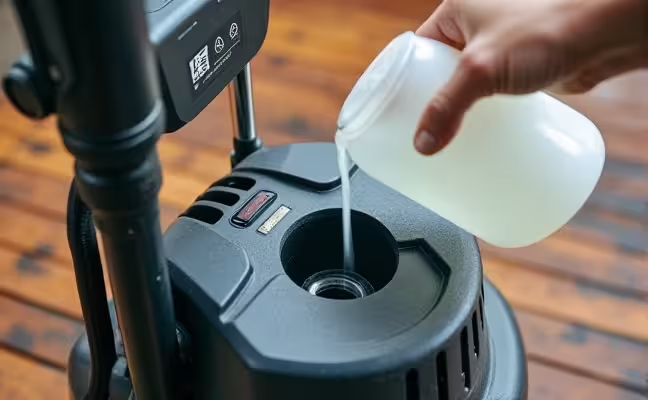
While water alone can accomplish a lot, sometimes you need a little extra help to tackle tough stains or built-up grime. Many pressure washers come equipped with compartments for detergents, allowing you to incorporate cleaning solutions into your wash. Here's how to use them effectively:
- Choose a detergent specifically formulated for pressure washers and the surface you're cleaning
- Apply the detergent from bottom to top to prevent streaking
- Allow the detergent to sit for 5-10 minutes, but don't let it dry completely
- Rinse thoroughly from top to bottom with clear water
Using the right cleaning solution can significantly enhance your pressure washing results, making it easier to remove stubborn dirt and stains.
Surfaces to Avoid: Know Your Limits
While pressure washing is versatile, it's not suitable for every surface. Some materials can be easily damaged by the high-pressure stream. As part of the pressure washing dos and don'ts, here are some surfaces to approach with caution or avoid altogether:
- Soft woods: Can splinter or become rough
- Old mortar or grout: May crumble under high pressure
- Asphalt roofing: Can lose granules, reducing its lifespan
- Painted surfaces: Paint may chip or peel off
- Lead paint: Can create hazardous dust (common in homes built before 1978)
- Window: Seals can be damaged, leading to leaks
When in doubt, consult a professional or use gentler cleaning methods for these sensitive areas.
Maintaining Your Clean: Regular Upkeep
One of the best home pressure washing practices is to establish a regular maintenance schedule. Annual or bi-annual pressure washing can help prevent the build-up of dirt, mold, and mildew, keeping your home looking fresh year-round. However, it's important not to overdo it. Excessive pressure washing can wear down surfaces over time. Strike a balance between maintaining cleanliness and preserving your home's exterior.
When to Call in the Pros: Hiring Professional Pressure Washing Services
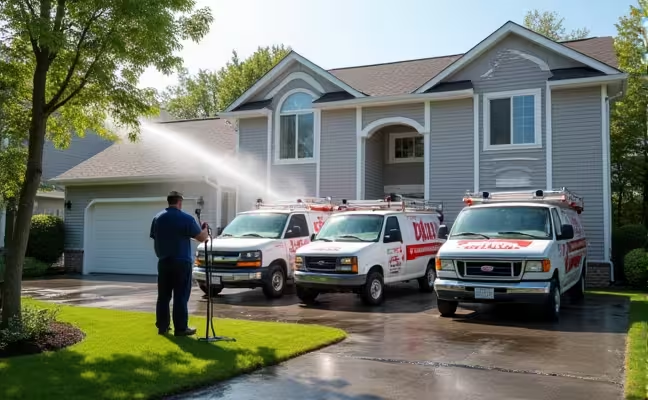
While many homeowners enjoy the DIY approach to pressure washing, there are times when it's best to call in the professionals. Consider professional services if:
- You're not confident in your ability to operate the equipment safely
- Your home has hard-to-reach areas or is multi-story
- You're dealing with particularly stubborn stains or extensive mold growth
- Your property has delicate or historic features that require special care
- You simply don't have the time or desire to tackle the job yourself
Professional pressure washers have the experience, equipment, and expertise to handle even the most challenging cleaning tasks safely and effectively.
Conclusion: Mastering the Art of Pressure Washing
Pressure washing your home can be a rewarding way to maintain its appearance and value. By following these pressure washing dos and don'ts, you can achieve professional-looking results while avoiding common pitfalls. Remember to prioritize safety, choose the right equipment, and use proper techniques for the best outcome.
Whether you decide to take on the task yourself or hire a professional, regular pressure washing can keep your home looking its best for years to come. With these tips in hand, you're well-equipped to make an informed decision about the best approach for your home's needs.
As someone who's passionate about home maintenance, I've found that having access to reliable professionals can make all the difference. That's why I love using simpleHome. It connects homeowners like us with local experts, including professional pressure washing services. Whether you need advice or want to hire a pro, simpleHome makes it easy to keep your home in top shape. Give it a try for your next home improvement project!