


5 Ways to Prevent Pests from Invading Your Home
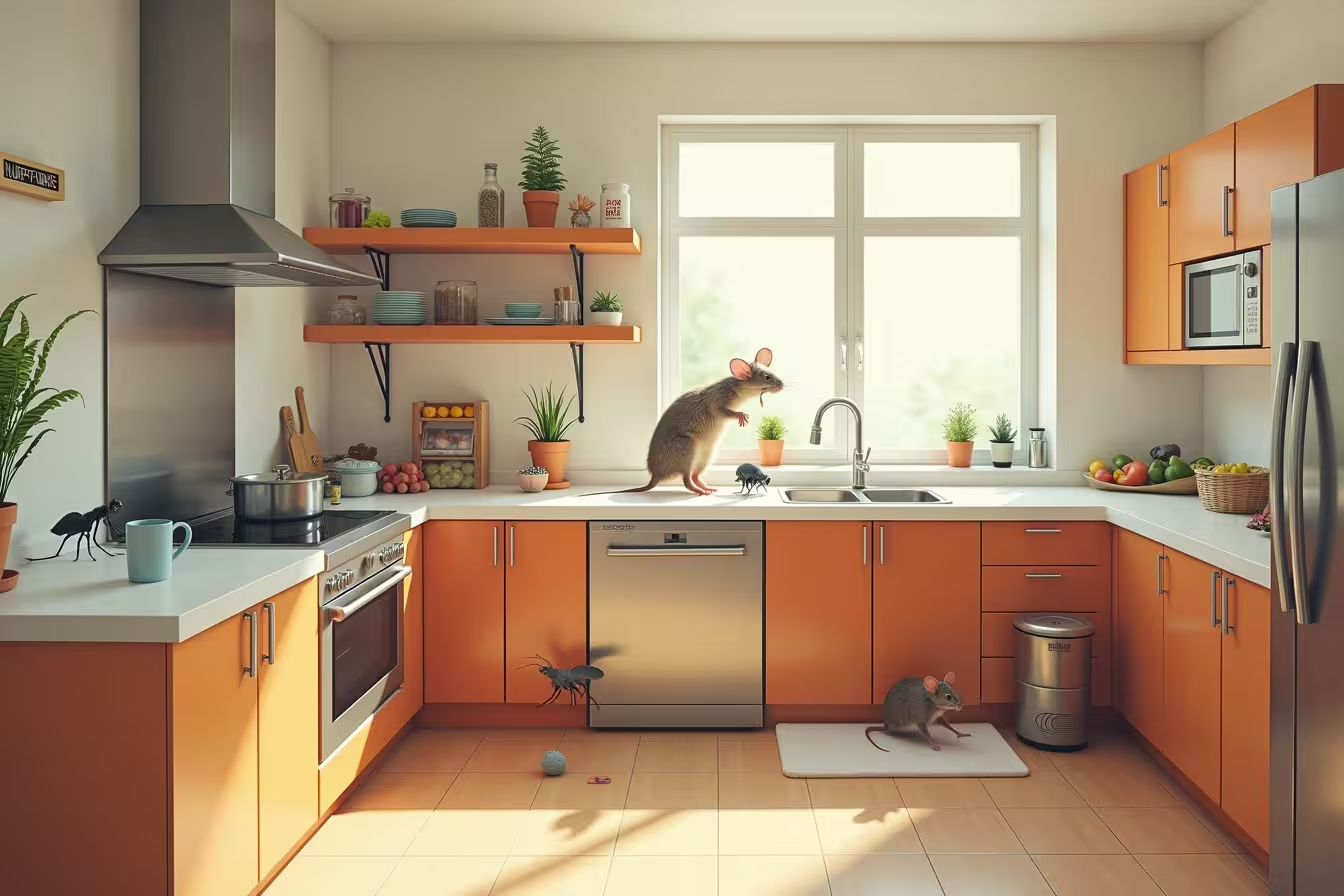
As a homeowner, one of the most frustrating and potentially costly issues you can face is a pest invasion. Whether it's ants marching across your kitchen counter, rodents scurrying in your walls, or termites silently destroying your home's foundation, pests can cause significant damage and discomfort. The good news is that there are several effective strategies you can employ to prevent these unwanted visitors from making your home their own. In this comprehensive guide, we'll explore five proven methods for pest control at home, helping you maintain a clean, healthy, and pest-free living environment.
1. Regular Cleaning and Maintenance: The First Line of Defense
When it comes to how to prevent pests, cleanliness is your most powerful weapon. A clean home is not only more pleasant to live in but also less attractive to pests. Let's delve into why regular cleaning and maintenance are crucial for pest invasion prevention.
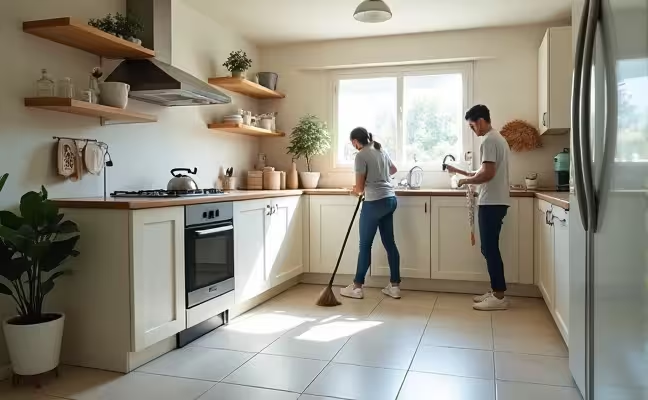
As you can see in the image above, maintaining a clean home involves more than just surface-level tidying. Here are some key areas to focus on:
- Daily cleaning routines: Sweep, mop, and vacuum regularly to eliminate food crumbs and debris that attract pests. Pay special attention to the kitchen and dining areas where food particles are most likely to accumulate.
- Deep cleaning sessions: Schedule weekly or bi-weekly deep cleaning sessions to tackle often-overlooked areas. This includes moving appliances to clean behind and underneath them, wiping down cabinet interiors, and cleaning inside trash cans.
- Decluttering: Pests love clutter as it provides them with hiding spots and nesting materials. Regularly declutter your home, paying special attention to storage areas like basements, attics, and garages.
- Moisture control: Many pests are attracted to moisture. Fix any leaky pipes or faucets promptly and use dehumidifiers in damp areas like basements.
- Sealing entry points: Inspect your home's exterior regularly for cracks, holes, or gaps. Seal these potential entry points using caulk, steel wool, or appropriate sealants.
By incorporating these cleaning and maintenance practices into your routine, you're creating an environment that's far less hospitable to pests. Remember, consistency is key when it comes to pest control at home.
2. Proper Food Storage: Denying Pests Their Main Attraction
One of the most effective DIY pest control tips is to properly store your food. Pests are primarily attracted to our homes because they're looking for food sources. By denying them easy access to food, you're removing one of their main reasons for invading your space.

As illustrated in the image above, proper food storage involves several key practices:
- Use airtight containers: Store dry goods like flour, sugar, cereals, and pet food in airtight containers. This not only keeps food fresher for longer but also prevents pests from detecting and accessing these food sources.
- Refrigerate perishables: Fruits, vegetables, and other perishables should be stored in the refrigerator whenever possible. If you keep fruit out in a bowl, check it regularly for signs of overripening or decay.
- Clean up immediately: After meals, clean up any crumbs or spills right away. Don't leave dirty dishes in the sink overnight, as this can attract pests like ants and cockroaches.
- Secure your trash: Use trash cans with tight-fitting lids both inside and outside your home. Take out the trash regularly, especially if it contains food waste.
- Manage pet food: Don't leave pet food out all day. Feed your pets at specific times and clean up any leftover food after meals.
By implementing these food storage practices, you're significantly reducing the likelihood of pest invasions. Remember, pests are opportunistic – if they can't find food in your home, they're much less likely to stick around.
3. Regular Yard Clean-Up: Creating a Pest-Free Perimeter
While indoor cleanliness is crucial, maintaining your outdoor spaces is equally important in pest invasion prevention. Your yard can either be a barrier against pests or a welcoming environment for them, depending on how you maintain it.

As you can see in the image above, a well-maintained yard is not just aesthetically pleasing but also an effective pest deterrent. Here are some key aspects of yard maintenance for pest control:
- Regular mowing: Keep your lawn trimmed to reduce hiding spots for pests. Long grass can harbor ticks, fleas, and rodents.
- Pruning and trimming: Regularly trim shrubs and trees, especially those close to your home. Overgrown vegetation can provide pathways for pests to enter your house.
- Proper mulching: While mulch is great for plants, excessive mulch can create a moist environment attractive to pests. Keep mulch at least 6 inches away from your home's foundation.
- Remove yard debris: Regularly rake leaves, pick up fallen fruit, and remove dead plants. These can all serve as food sources or shelter for pests.
- Manage firewood: If you store firewood, keep it at least 20 feet away from your home and elevated off the ground. Firewood piles are attractive to termites and other wood-boring insects.
- Control moisture: Ensure proper drainage in your yard to prevent standing water, which can attract mosquitoes and other pests.
By maintaining a tidy yard, you're creating a buffer zone between the outdoor environment and your home, making it much harder for pests to invade.
4. Use of Natural Pesticides: Eco-Friendly Pest Prevention
For those looking for natural pest prevention methods, there are numerous eco-friendly options available. These natural pesticides can be just as effective as their chemical counterparts, without the potential risks to humans, pets, and the environment.
Here are some natural pest control methods you can try:
- Essential oils: Many essential oils have pest-repelling properties. Peppermint oil can deter ants and spiders, while citronella oil repels mosquitoes.
- Diatomaceous earth: This natural powder is effective against many crawling insects. It works by dehydrating the pests when they come into contact with it.
- Vinegar solutions: A mixture of water and white vinegar can repel ants and other insects. Spray it around entry points and areas where you've seen pest activity.
- Borax: While it should be used cautiously around pets and children, borax is an effective natural pesticide against many insects, including cockroaches and ants.
- Neem oil: This natural oil derived from the neem tree is an effective pesticide and fungicide for plants. It can help keep your garden pest-free.
- Companion planting: Certain plants naturally repel pests. For example, marigolds can deter mosquitoes, while basil can repel flies and mosquitoes.
When using natural pesticides, it's important to remember that they may need to be applied more frequently than chemical pesticides. However, their safety and eco-friendliness make them an excellent choice for many homeowners.
5. Professional Pest Control Services: Expert Help for Persistent Problems
While DIY pest control tips can be highly effective, there are times when professional help is necessary. Professional pest control services can provide comprehensive solutions for persistent or severe pest problems.
Here's why considering professional pest control can be beneficial:
- Expert identification: Professionals can accurately identify the type of pest you're dealing with, which is crucial for effective treatment.
- Customized solutions: Based on the type of pest and the specifics of your home, professionals can create a tailored pest control plan.
- Preventive treatments: Many pest control companies offer preventive treatments that can keep pests away for extended periods.
- Safe application of pesticides: If chemical pesticides are necessary, professionals know how to apply them safely and effectively.
- Long-term strategies: Professional pest control often involves not just immediate treatment but also long-term strategies to prevent future infestations.
- Time and cost-effective: While it may seem more expensive upfront, professional pest control can save you time and money in the long run by effectively solving pest problems.
Remember, when it comes to pest invasion prevention, early intervention is key. If you notice signs of a pest problem, don't hesitate to call in the professionals.
Conclusion: A Multi-Faceted Approach to Pest Prevention
Preventing pests from invading your home requires a comprehensive approach. By combining regular cleaning and maintenance, proper food storage, yard clean-up, natural pesticides, and professional services when needed, you can create a home environment that's inhospitable to pests.
Remember, consistency is key in pest control at home. Make these practices part of your regular routine, and you'll be well on your way to maintaining a pest-free home.
As someone who's dealt with pest issues in the past, I know how challenging it can be to find reliable professional help when you need it. That's why I'm a big fan of simpleHome. This platform connects homeowners like us with local professionals, including pest control experts. It's a great resource when you need that extra level of expertise to keep your home pest-free and comfortable.
By implementing these strategies and knowing when to call in professional help, you can enjoy a clean, healthy, and pest-free living environment. Here's to a home that's welcoming to you and your family, but not to unwanted pests!