


How to Design a Pet-Friendly Home
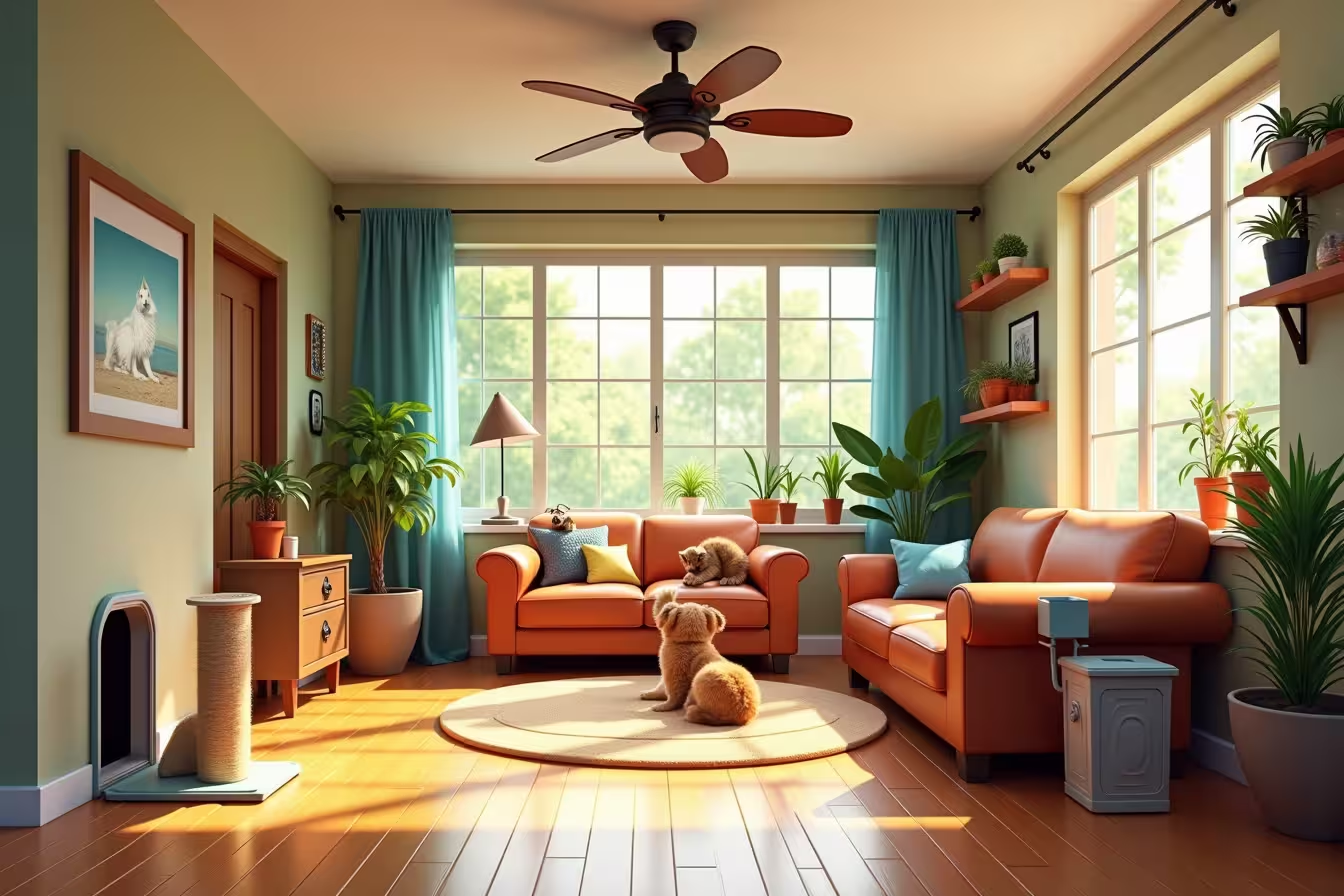
Creating a pet-friendly home is an essential task for any animal lover. Whether you're a new pet owner or looking to make your current living space more accommodating for your furry friends, this comprehensive guide will walk you through the process of designing a safe and comfortable environment for both you and your pets. From choosing the right flooring to incorporating clever storage solutions, we'll cover everything you need to know about pet-friendly home design.
1. Choosing the Right Flooring
When it comes to pet-friendly home design, one of the most critical aspects to consider is your choice of flooring. Pets can be tough on floors, with their claws, accidents, and shedding. To make your home pet-friendly, opt for resilient flooring materials that can withstand the wear and tear of daily pet activities.
Vinyl, laminate, and tile are excellent options for pet owners. These materials are durable, easy to clean, and resistant to scratches. They can handle spills, accidents, and muddy paw prints without sustaining permanent damage. If you're looking for a more luxurious touch while still maintaining a pet-friendly home, consider bamboo or cork flooring. These natural materials are not only stylish but also naturally antimicrobial and repel pet hair, making them ideal for homes with furry companions.
2. Selecting Pet-Friendly Furniture
When it comes to furniture selection in a pet-friendly home, durability and ease of cleaning should be your top priorities. Opt for furniture with removable and washable covers, allowing you to keep your living space fresh and clean even with pets around.
Materials like leather or tightly-woven fabrics are excellent choices for pet-friendly furniture. These materials are more resistant to damage from claws and teeth, and they're also great at hiding pet hair. An innovative tip for how to make home pet-friendly is to match your furniture color to your pet's fur. This clever trick helps camouflage shedding, keeping your home looking cleaner for longer.
3. Creating Designated Pet Zones
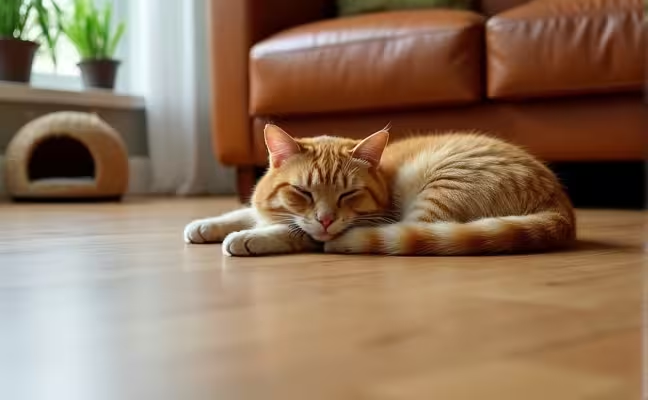
One of the keys to successful pet-friendly home design is creating designated areas for your pets to eat, sleep, and play. This not only helps keep your home organized but also trains your pets to understand their boundaries within the home.
Include cozy beds in quiet corners where your pets can retreat for some peace. For cats, consider adding scratching posts and climbing trees to satisfy their natural instincts. Interactive toys can keep your pets entertained and mentally stimulated, reducing the likelihood of destructive behavior elsewhere in the home.
4. Choosing the Right Paint
When considering how to make home pet-friendly, don't overlook the importance of choosing the right paint. Opt for semi-gloss or satin paint for walls as they are easier to clean, making it simpler to remove any muddy paw prints or other marks left by your pets.
Paints with an eggshell finish are particularly suitable for high-traffic areas used by pets. These finishes can withstand cleaning without losing their luster, ensuring your walls look fresh and clean even with active pets in the house.
5. Installing a Pet Door
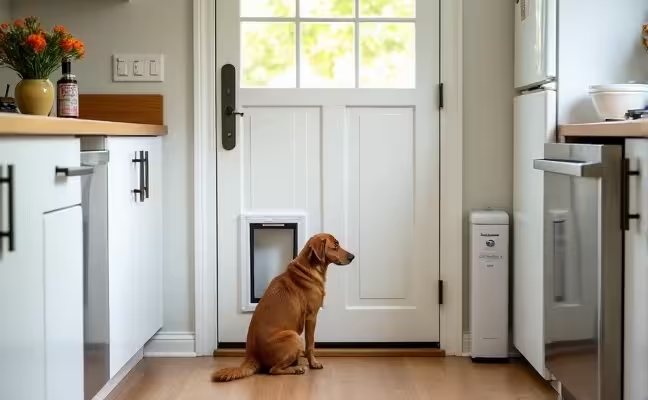
To create a truly pet-friendly home, consider installing a pet door. This allows your pets to move in and out freely, promoting independence and reducing the chances of accidents inside the house. Pet doors come in various sizes and styles to suit different types of pets and home designs.
6. Hiding Exposed Wires
A crucial aspect of pet-proofing your home is ensuring that all electrical wires are hidden or covered. Pets, especially young ones, have a tendency to chew on things, which can lead to dangerous situations if they get hold of exposed wires.
Use cord concealers or wire covers to keep cables out of reach. You can also try routing wires behind furniture or using cable management systems to keep them organized and out of sight.
7. Securing Trash Cans
Curious pets often see trash cans as treasure troves of interesting smells and potential snacks. To maintain a safe home for pets, invest in sturdy, pet-proof trash cans or place them in locked cabinets. This prevents pets from creating messes or ingesting harmful substances that may be in the trash.
8. Using Pet-Safe Cleaning Products
Maintaining a clean home is important, but it's equally crucial to ensure that the cleaning products you use are safe for your pets. Many common household cleaners contain chemicals that can be harmful if ingested or inhaled by pets.
Opt for natural, pet-friendly cleaning products to keep your home clean and safe for your furry friends. Look for products that are free from harsh chemicals and are specifically labeled as pet-safe. Alternatively, you can make your own cleaning solutions using pet-friendly ingredients like vinegar, baking soda, and lemon juice.
9. Ensuring Proper Ventilation
Pets can be sensitive to heat and humidity, so proper ventilation is a crucial aspect of pet-friendly home design. Install ceiling fans or air purifiers to circulate air and remove pet dander from the environment. This not only keeps your pets comfortable but also helps maintain good air quality for everyone in the home.
10. Installing Window Guards
Pets, especially cats, can get excited by outdoor stimuli and accidentally jump out of open windows. To create a safe home for pets, install window guards or screens on all windows, particularly those on upper floors. This simple precaution can prevent potentially serious accidents and give you peace of mind.
11. Managing Houseplants
Many common houseplants can be toxic to pets if ingested. As part of your pet-friendly home design, it's important to research which plants are safe for pets and which ones should be avoided. Position any potentially harmful plants out of your pets' reach or opt for pet-friendly alternatives.
Some pet-safe plants include spider plants, Boston ferns, and African violets. These can add greenery to your home without posing a risk to your furry friends.
12. Incorporating Adequate Storage
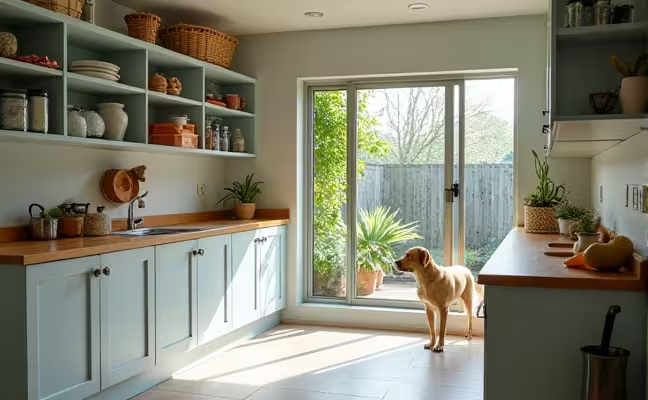
A key aspect of how to make home pet-friendly is incorporating adequate storage for pet supplies. Having a designated place to store food, toys, grooming tools, and other pet-related items helps keep your home organized and prevents pets from accessing things they shouldn't.
Consider installing wall-mounted cabinets or using decorative storage boxes that blend with your home decor. This not only keeps pet supplies out of sight but also adds to the overall aesthetic of your pet-friendly home design.
Additional Tips for Pet-Friendly Home Design
While we've covered the main aspects of creating a pet-friendly home, here are some additional tips to consider:
- Use washable fabrics: For curtains, cushions, and bedding, choose fabrics that are easy to wash and resistant to pet hair.
- Invest in a good vacuum: A high-quality vacuum designed for pet hair can make a big difference in maintaining a clean home.
- Create vertical spaces: For cats, incorporate wall-mounted shelves or cat trees to give them vertical territory to explore.
- Use pet-friendly rugs: If you want to add some warmth to your hard floors, choose rugs made from durable, easy-to-clean materials like indoor/outdoor rugs.
- Install pet gates: Use pet gates to restrict access to certain areas of your home when necessary.
- Choose rounded furniture: Opt for furniture with rounded edges to prevent injuries if your pets like to run around the house.
The Importance of Regular Maintenance
Remember that creating a pet-friendly home is an ongoing process. Regular maintenance is key to keeping your home clean, safe, and comfortable for both you and your pets. This includes:
- Regular grooming of your pets to reduce shedding
- Frequent cleaning of pet beds and toys
- Regular inspection of your home for any potential hazards
- Updating your pet-proofing measures as your pets grow and their behaviors change
Conclusion
Designing a pet-friendly home doesn't mean sacrificing style or comfort. With thoughtful planning and clever solutions, you can create a space that is beautiful, functional, and safe for both you and your furry friends. By implementing these pet-friendly home design ideas, you'll be well on your way to creating a harmonious living environment that caters to everyone's needs.
Remember, every pet is unique, and what works for one might not work for another. Be prepared to adapt your pet-friendly home design as you learn more about your pet's specific needs and behaviors. With patience and creativity, you can create a home that truly caters to both human and animal inhabitants.
As someone who's passionate about home design and pet care, I've found that creating a pet-friendly home is a rewarding experience that strengthens the bond between pets and their owners. If you're looking for professional help in implementing these pet-friendly home design ideas, I recommend checking out simpleHome. It's a great platform that connects homeowners with local professionals who can help bring your pet-friendly home vision to life. Whether you need help with flooring installation, custom storage solutions, or any other aspect of pet-friendly home design, simpleHome can connect you with the right experts to make your dream home a reality.