


Understanding Home Energy Audits: Are They Worth It?
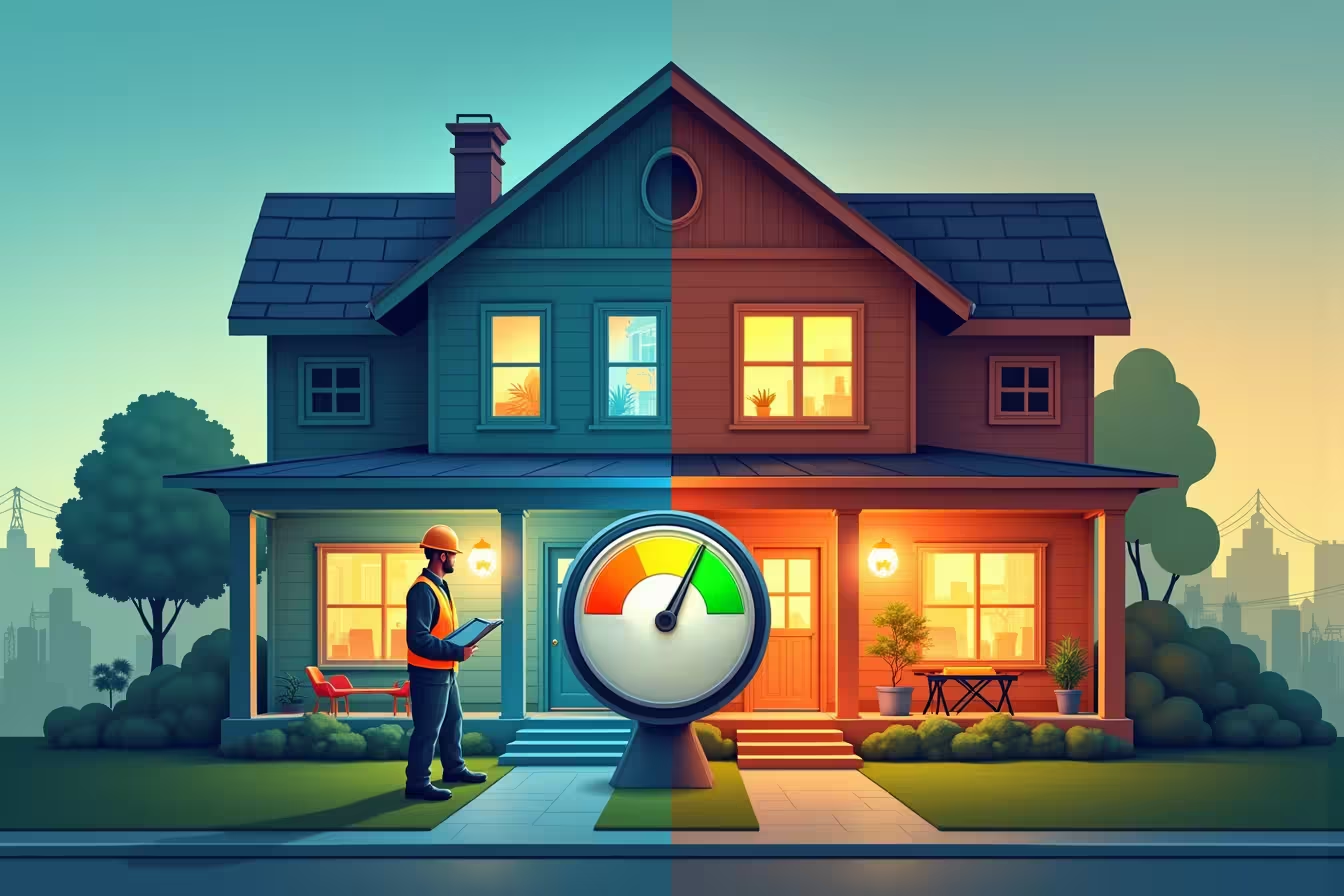
In today's world, where energy costs are constantly on the rise and environmental concerns are at the forefront of our minds, homeowners are increasingly looking for ways to make their homes more energy-efficient. One powerful tool in this quest is the home energy audit. But what exactly is a home energy audit, and is it really worth the investment? Let's dive deep into the world of home energy audits and explore why they might be the key to unlocking significant savings and a more comfortable living space.
What is a Home Energy Audit?
A home energy audit, also known as an energy assessment, is a comprehensive evaluation of your home's energy consumption and the factors that contribute to it. Think of it as a health check-up for your house, where an expert examines every nook and cranny to identify areas where energy is being wasted. The goal? To provide you with a roadmap for improving your home's energy efficiency, which can lead to lower utility bills, increased comfort, and a reduced environmental impact.
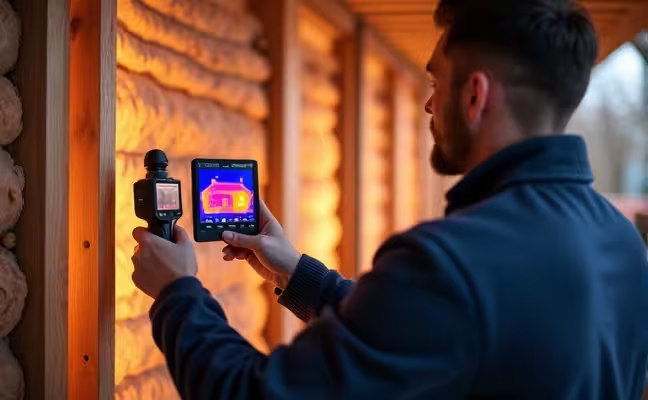
During a home energy audit, a certified professional will use a variety of tools and techniques to assess your home's energy performance. This may include visual inspections, blower door tests to check for air leaks, thermographic scans to identify insulation gaps, and evaluations of your heating and cooling systems. The result is a detailed report that outlines where your home is losing energy and what you can do to fix it.
The Importance of Home Energy Audits
You might be wondering, "Why should I bother with a home energy audit?" The benefits of home energy audit are numerous and can have a significant impact on both your wallet and the environment. Here are some key reasons why home energy audits are crucial:
- Cost Savings: By identifying and addressing energy inefficiencies, you can dramatically reduce your energy bills over time.
- Increased Comfort: Fixing issues like drafts and uneven heating can make your home more comfortable year-round.
- Environmental Impact: Reducing your energy consumption means a smaller carbon footprint, which is good for the planet.
- Home Value: An energy-efficient home is often more attractive to potential buyers, potentially increasing your property's resale value.
- Health and Safety: Energy audits can uncover issues that might affect your health, such as poor ventilation or potential carbon monoxide leaks.
Components of a Comprehensive Home Energy Audit
A thorough home energy audit involves several key components, each designed to give a complete picture of your home's energy use. Let's break down what you can expect during a professional audit:
1. Visual Inspection
The auditor will walk through your home, examining the building envelope, windows, doors, and insulation. They'll look for visible signs of energy loss, such as gaps around windows or inadequate insulation in the attic.
2. Blower Door Test
This test uses a powerful fan to depressurize your home, allowing the auditor to detect air leaks. It's an essential step in identifying where your heated or cooled air might be escaping.
3. Thermographic Inspection
Using an infrared camera, the auditor can visualize temperature differences in your walls, ceilings, and floors. This helps pinpoint areas of missing insulation or thermal bridges where heat is being lost.
4. Heating and Cooling System Evaluation
Your HVAC system is a significant energy consumer. The auditor will check its efficiency, age, and maintenance needs to ensure it's operating at peak performance.
5. Appliance and Lighting Assessment
Old or inefficient appliances and lighting can be major energy drains. The audit will identify which items might benefit from an upgrade to more energy-efficient models.
Professional vs. DIY Home Energy Audits
While it's possible to conduct a basic DIY energy audit, there are significant advantages to hiring a professional. Energy audit companies have access to specialized equipment and possess the expertise to provide a more thorough and accurate assessment of your home's energy performance.
A DIY audit might help you spot obvious issues like drafty windows or outdated light bulbs, but a professional can uncover hidden problems that could be costing you hundreds of dollars each year. They can also provide specific recommendations tailored to your home and climate, ensuring you get the most bang for your buck when it comes to energy improvements.
The Cost of Home Energy Audits
One of the most common questions homeowners have is about the home energy audit cost. The price can vary depending on several factors, including:
- The size of your home
- The complexity of the audit
- Your location
- The reputation and experience of the auditor
On average, a professional home energy audit can cost anywhere from $200 to $650. While this might seem like a significant upfront expense, it's important to consider the potential savings. Many homeowners find that the cost of the audit is quickly recouped through reduced energy bills and increased home comfort.
Potential Savings from Home Energy Audits
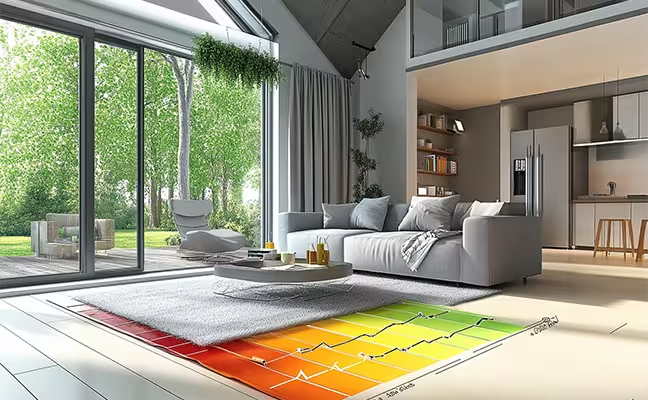
The energy audit savings can be substantial. According to the U.S. Department of Energy, homeowners can save between 5% to 30% on their energy bills by implementing the recommendations from a home energy audit. Let's break down some of the potential savings:
- Sealing Air Leaks: Can save up to 15% on heating and cooling costs
- Improving Insulation: Can reduce heating and cooling costs by up to 20%
- Upgrading to Energy-Efficient Appliances: Can cut energy use by 10-50% depending on the appliance
- Optimizing Heating and Cooling Systems: Can lead to savings of 20-30% on energy bills
These savings not only offset the initial cost of the audit but continue to benefit you year after year. It's an investment that keeps on giving!
How to Do a Home Energy Audit: The Process
If you're curious about how to do a home energy audit, here's a general overview of what you can expect:
- Initial Consultation: The auditor will ask about your energy usage patterns and any specific concerns you have.
- Exterior Inspection: They'll examine the outside of your home, looking at things like the roof, siding, and foundation.
- Interior Walkthrough: The auditor will go room by room, checking for air leaks, insulation levels, and the condition of windows and doors.
- Blower Door Test: This test will be conducted to measure air tightness and identify leaks.
- Thermographic Scan: Using an infrared camera, the auditor will check for insulation gaps and thermal bridging.
- Systems Check: HVAC, water heating, and major appliances will be inspected for efficiency.
- Data Analysis: The auditor will compile all the information gathered to create a comprehensive report.
- Recommendations: You'll receive a detailed list of suggested improvements, often prioritized by cost-effectiveness.
Financing and Incentives for Home Energy Audits
The good news is that you don't have to bear the full cost of energy improvements on your own. Many utility companies, local governments, and non-profit organizations offer incentives, rebates, or financing options for homeowners who conduct home energy audits and make energy efficiency improvements. These can include:
- Rebates on the cost of the audit itself
- Low-interest loans for energy-efficient upgrades
- Tax credits for certain energy improvements
- Cash incentives for installing energy-efficient appliances or systems
Be sure to check with your local utility company and government agencies to see what programs are available in your area. These incentives can significantly reduce the upfront costs of making your home more energy-efficient.
The Impact of Home Energy Audits on Resale Value
Investing in a home energy audit and making the recommended improvements can do more than just lower your energy bills – it can also increase your home's resale value. Energy-efficient homes are becoming increasingly attractive to potential buyers who are looking for properties with lower operating costs and a smaller environmental footprint.
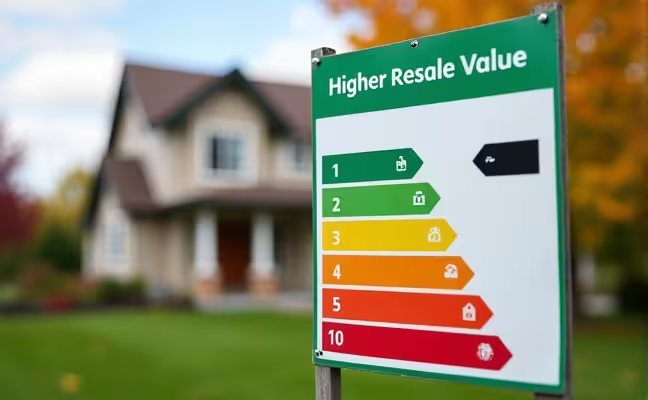
Features like well-insulated walls, energy-efficient windows, and modern HVAC systems can be strong selling points. Some studies suggest that energy-efficient homes can command a premium of up to 9% compared to similar, less efficient properties. This means that the money you invest in energy improvements following an audit could come back to you when it's time to sell.
The Environmental Impact of Home Energy Audits
Beyond the financial benefits, home energy audits play a crucial role in reducing our overall environmental impact. By improving your home's energy efficiency, you're directly contributing to the reduction of greenhouse gas emissions. Here's how:
- Reduced Energy Consumption: Less energy used means fewer fossil fuels burned to generate that energy.
- Lower Carbon Footprint: An energy-efficient home produces fewer carbon emissions over its lifetime.
- Conservation of Resources: Efficient homes require less energy production, helping to conserve natural resources.
- Improved Air Quality: Energy-efficient homes often have better ventilation, leading to healthier indoor air quality.
By taking action based on your home energy audit, you're not just saving money – you're also doing your part to create a more sustainable future.
Conclusion: The Value of Home Energy Audits
So, are home energy audits worth it? The resounding answer is yes! While there is an upfront cost involved, the long-term benefits in terms of energy savings, increased comfort, higher home value, and reduced environmental impact make it a smart investment for most homeowners.
A home energy audit provides you with a roadmap to a more efficient, comfortable, and eco-friendly home. It empowers you with the knowledge to make informed decisions about energy improvements, potentially saving you thousands of dollars over time. Plus, with various incentives and financing options available, making these improvements is more accessible than ever.
Whether you're looking to cut your energy bills, increase your home's comfort, boost its resale value, or reduce your carbon footprint, a home energy audit is an excellent place to start. It's an investment in your home, your wallet, and the planet – and that's something we can all feel good about.
As someone who's passionate about helping homeowners make the best decisions for their properties, I can't recommend home energy audits enough. If you're ready to take the next step towards a more energy-efficient home, consider reaching out to a professional. And if you need help finding a qualified energy auditor in your area, that's where simpleHome comes in. We connect homeowners like you with local professionals who can help turn your energy-efficient dreams into reality. Take the first step towards a more comfortable, cost-effective, and eco-friendly home today!