


What to Do When You Discover Asbestos in Your Home

Discovering asbestos in your home can be a daunting experience. This potentially harmful material, once widely used in construction, can pose serious health risks if not handled properly. In this comprehensive guide, we'll walk you through the steps to take when you suspect or confirm the presence of asbestos in your living space, including asbestos testing, asbestos removal, and how to recognize asbestos exposure symptoms.
Understanding Asbestos: A Brief Overview
Before we dive into the action steps, it's crucial to understand what asbestos is and why it's a concern. Asbestos is a naturally occurring mineral that was widely used in building materials before the 1980s due to its heat-resistant properties and durability. However, we now know that when asbestos fibers are inhaled, they can cause serious health issues, including lung cancer and mesothelioma.
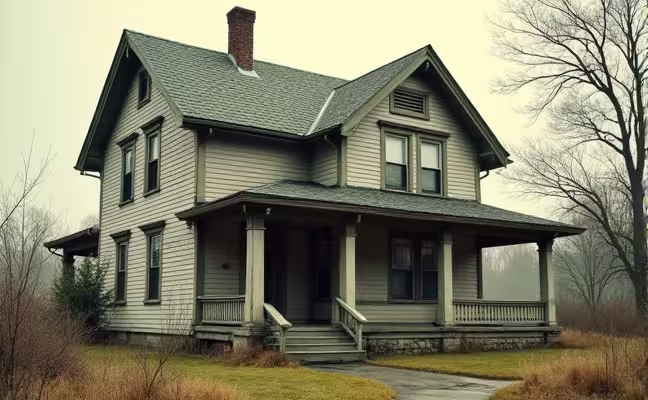
As you can see in the image above, asbestos was commonly used in various parts of older homes. If your home was built before the 1980s, there's a chance it contains asbestos in areas such as:
- Insulation around pipes and in attics
- Old vinyl floor tiles
- Siding and roofing shingles
- Textured paint and popcorn ceilings
- Heat-resistant fabrics
Step 1: Identification of Asbestos
The first and most crucial step in dealing with asbestos is its identification. It's important to note that asbestos is not dangerous if left undisturbed. However, if the material containing asbestos is damaged or deteriorating, it can release harmful fibers into the air, increasing the risk of asbestos exposure symptoms.
Visual identification of asbestos can be tricky, as it often looks similar to other, harmless materials. This is why professional asbestos testing is essential. If you suspect the presence of asbestos in your home, especially if you're planning renovations or notice damaged areas, it's time to call in the experts.
Step 2: Do Not Disturb Suspected Asbestos
If you believe you've found asbestos in your home, the most important thing to remember is: do not touch it. Asbestos is most dangerous when it's disturbed, as this can cause fibers to become airborne. Avoid any activities that might damage the suspected material, such as:
- Drilling
- Sanding
- Scraping
- Sawing
- Vacuuming debris that may contain asbestos
Even if you're not sure whether a material contains asbestos, it's better to err on the side of caution and treat it as if it does until you can get professional confirmation.
Step 3: Contact Asbestos Professionals
When it comes to asbestos, DIY is not an option. You need to contact certified asbestos professionals who can safely inspect, test, and if necessary, remove the asbestos from your home. There are two types of asbestos professionals you might need:
- Asbestos Inspectors: These professionals can assess your home, take samples for testing, and advise on a course of action.
- Asbestos Contractors: If removal is necessary, these are the experts who can safely remove or encapsulate the asbestos-containing materials.
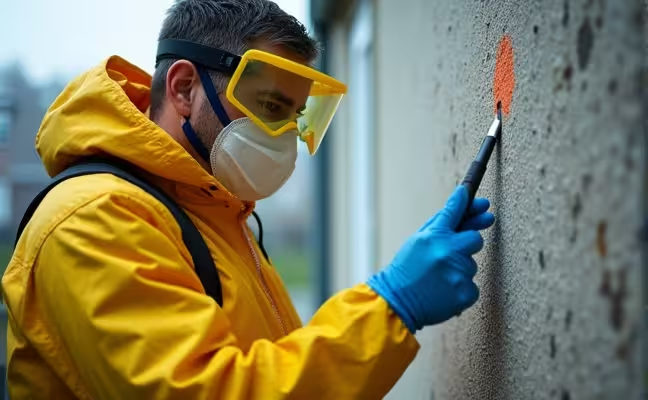
As shown in the image above, professional asbestos inspectors use specialized equipment and protective gear to safely assess and sample potential asbestos-containing materials in your home.
Step 4: Proper Asbestos Testing
Asbestos testing is a critical step in confirming the presence of this hazardous material. The process typically involves the following steps:
- A certified inspector will take small samples of suspected materials.
- These samples are sent to an accredited laboratory for analysis.
- The lab will use specialized microscopes to identify asbestos fibers.
- You'll receive a detailed report of the findings, including the type and percentage of asbestos if present.
It's important to note that only certified laboratories should perform asbestos testing to ensure accurate results. The cost of asbestos testing can vary depending on the number of samples and the turnaround time, but it's a necessary expense to ensure your safety.
Step 5: Implementing a Management Plan
If asbestos is confirmed in your home, the next step is to develop a management plan. This plan will depend on several factors:
- The location of the asbestos
- The condition of the asbestos-containing material
- The likelihood of the material being disturbed
Based on these factors, your asbestos professional might recommend one of the following approaches:
- Leave it alone: If the asbestos-containing material is in good condition and unlikely to be disturbed, it might be safer to leave it in place.
- Encapsulation: This involves sealing the asbestos-containing material to prevent fiber release.
- Removal: In cases where the asbestos-containing material is damaged or likely to be disturbed, removal might be necessary.
Step 6: Safe Removal or Encapsulation
If your management plan calls for removal or encapsulation, it's crucial that this work is carried out by licensed asbestos abatement services. These professionals have the training, equipment, and knowledge to handle asbestos safely, minimizing the risk of exposure.
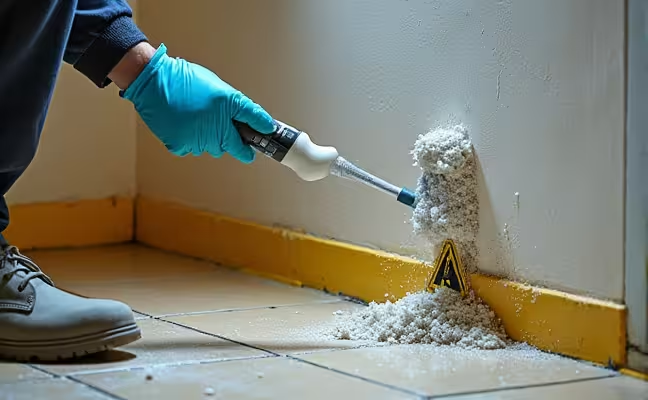
The image above demonstrates the process of asbestos encapsulation, a safer alternative to removal in some cases. This method involves sealing the asbestos-containing material to prevent fiber release.
If removal is necessary, the process typically involves:
- Sealing off the area to prevent contamination of other parts of the house
- Using specialized equipment to remove the asbestos-containing materials
- Properly disposing of the asbestos waste according to local regulations
- Thoroughly cleaning the area to ensure no asbestos fibers remain
The cost of asbestos removal can be significant, often ranging from a few thousand to tens of thousands of dollars, depending on the extent of the work. However, given the potential health risks, it's an investment in your family's safety and your home's long-term value.
Step 7: Post-removal Inspection
After the asbestos has been removed or encapsulated, a final inspection is crucial. This typically involves:
- A visual inspection to ensure all asbestos-containing materials have been properly removed or sealed
- Air testing to confirm no asbestos fibers are present in the air
- Issuing a clearance certificate if the area is deemed safe
This final step provides peace of mind that your home is now safe from asbestos exposure.
Step 8: Awareness and Prevention
Even after dealing with known asbestos in your home, it's important to remain vigilant. Here are some tips for ongoing asbestos awareness:
- Keep records of where asbestos-containing materials were found and any work done
- Regularly inspect known or suspected asbestos-containing materials for signs of wear or damage
- Before starting any home renovation projects, always check for potential asbestos
- Educate your family members about the potential locations of asbestos in your home
Understanding Asbestos Exposure Symptoms
While we hope that by following these steps, you'll avoid any asbestos exposure, it's important to be aware of potential asbestos exposure symptoms. These can include:
- Shortness of breath
- Persistent dry cough
- Chest pain or tightness
- Loss of appetite and weight loss
- Fatigue
It's important to note that these symptoms often don't appear until many years after exposure. If you suspect you've been exposed to asbestos and are experiencing these symptoms, consult a healthcare professional immediately.
Conclusion: Staying Safe and Informed
Discovering asbestos in your home can be frightening, but with the right approach, it's a problem that can be managed safely. Remember, the key steps are:
- Identify potential asbestos-containing materials
- Don't disturb suspected asbestos
- Contact professional asbestos inspectors
- Get proper asbestos testing done
- Implement a management plan
- If necessary, hire professional asbestos abatement services for removal or encapsulation
- Ensure a thorough post-removal inspection
- Stay aware and prevent future exposure
By following these steps and working with certified professionals, you can ensure that your home remains a safe and healthy environment for you and your family.
As someone who's passionate about home safety, I've found that simpleHome is an excellent resource for connecting homeowners with local professionals, including asbestos inspectors and removal experts. It's a great starting point if you're looking for reliable, certified professionals to help you deal with asbestos in your home. Remember, when it comes to asbestos, safety should always be your top priority.