


The Most Overlooked Areas in Home Inspections
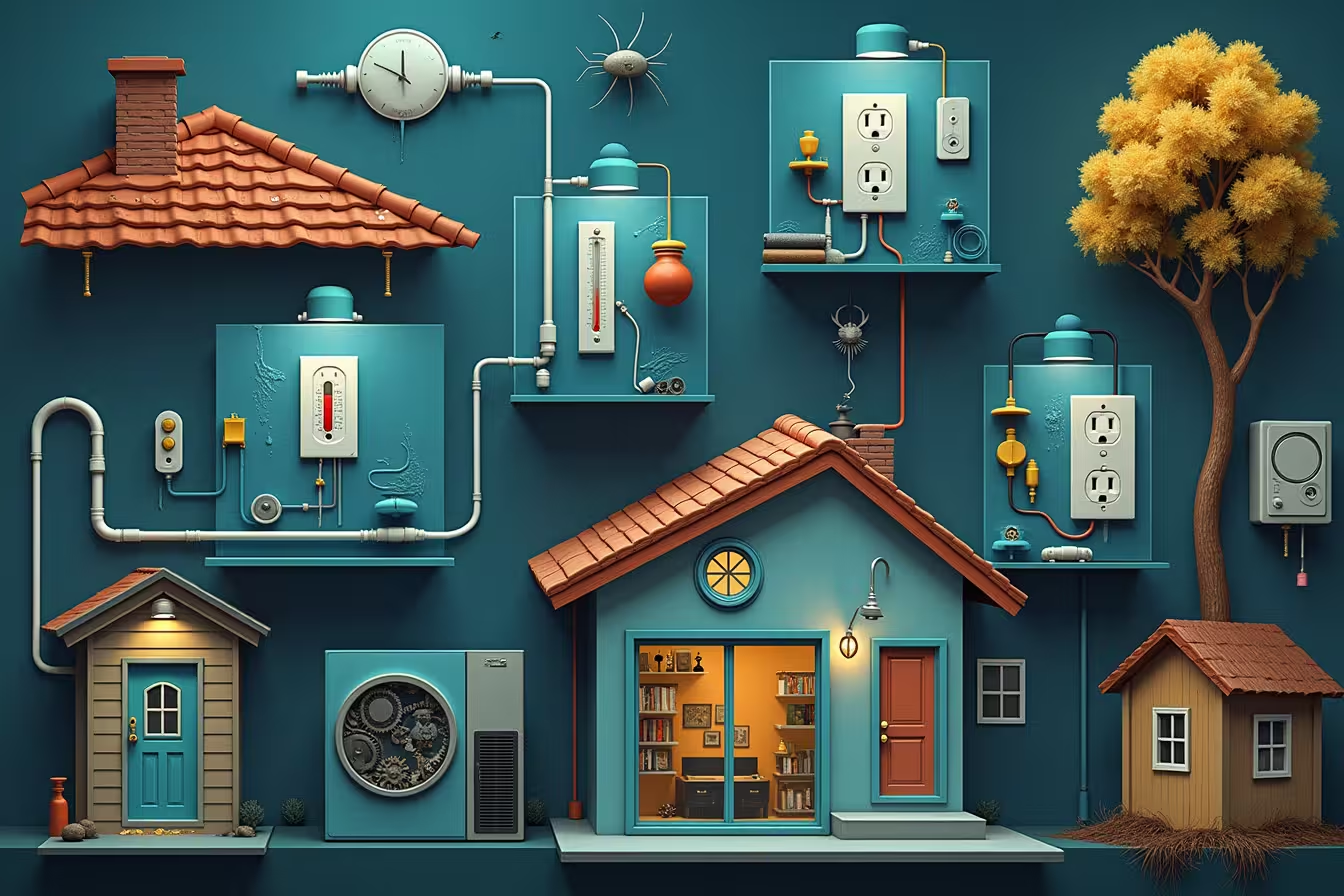
When it comes to buying a new home, a thorough home inspection is crucial. However, even the most experienced inspectors can sometimes overlook certain areas that are essential to a home's overall health and safety. In this blog post, we'll dive deep into the most commonly missed areas during home inspections and why they're so important. By understanding these often-overlooked aspects, you can ensure a more comprehensive Home Inspection Checklist and avoid potential headaches down the road.
1. The Roof: More Than Just Shingles
One of the most critical yet frequently overlooked areas in home inspections is the roof. While many inspectors will take a cursory glance at the shingles, a truly thorough inspection involves much more.
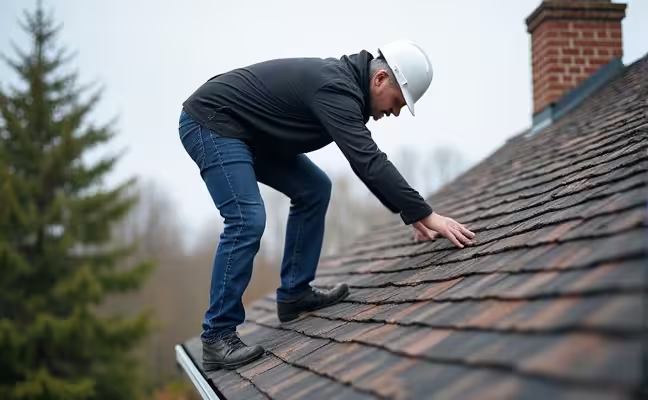
A comprehensive roof inspection should include:
- Shingles: Check for missing, damaged, or curling shingles
- Flashing: Ensure it's properly installed around chimneys, vents, and skylights
- Chimneys: Look for cracks, loose bricks, or deteriorating mortar
- Gutters: Check for proper attachment, blockages, and signs of water damage
Even a small leak can lead to significant water damage over time, making this one of the Essential Home Inspection Areas. Don't hesitate to ask your inspector about their roof examination process to ensure they're not missing any crucial details.
2. HVAC System: Beyond the Thermostat
The heating, ventilation, and air conditioning (HVAC) system is another area where inspectors might only perform a surface-level check. However, a faulty HVAC system can lead to sky-high utility bills and expensive repairs.
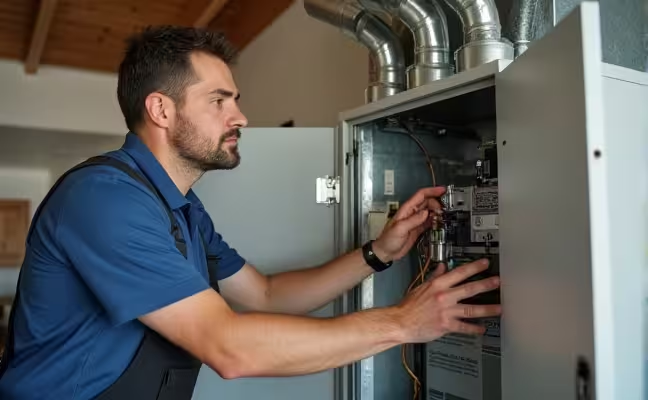
A thorough HVAC inspection should include:
- Functionality: Test both heating and cooling capabilities
- Age: Determine the system's age and estimated remaining lifespan
- Maintenance history: Check for regular servicing and any past issues
- Leaks: Look for signs of refrigerant or water leaks
- Ductwork: Inspect for proper insulation and any visible damage
Understanding the condition of the HVAC system can help you budget for potential replacements or repairs, making it a crucial part of your Home Inspection Checklist.
3. Plumbing: The Hidden Network
Plumbing issues can be some of the most costly and destructive problems in a home. Unfortunately, they're also among the most Common Home Inspection Issues that get overlooked. Hidden leaks, outdated materials, and improper installations can all lead to major headaches down the line.
A comprehensive plumbing inspection should include:
- Pipes: Check for leaks, corrosion, and proper insulation
- Drains: Test for proper flow and look for signs of blockages
- Water heater: Inspect age, condition, and safety features
- Water pressure: Test to ensure it's within acceptable ranges
- Fixtures: Check all faucets, toilets, and showers for proper function
By thoroughly examining the plumbing system, you can prevent costly water damage and ensure the home's water supply is safe and efficient.
4. Electrical System: Safety First
An outdated or faulty electrical system isn't just an inconvenience – it's a serious safety hazard. This makes it one of the most critical yet often Missed Home Inspection Items.
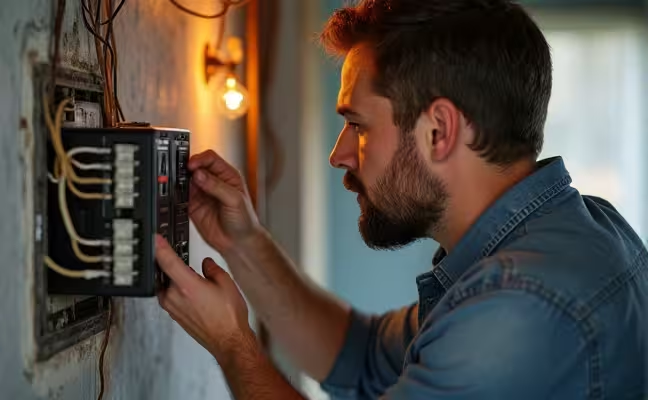
A thorough electrical inspection should cover:
- Wiring: Check for outdated knob-and-tube or aluminum wiring
- Outlets: Test for proper grounding and GFCI protection in wet areas
- Circuit breakers: Ensure they're properly sized and functioning
- Electrical panel: Look for signs of overheating or improper modifications
- Potential fire hazards: Check for discolored outlets or burning smells
Don't hesitate to ask your inspector about their electrical system check process. It's a crucial aspect of home safety that shouldn't be overlooked.
5. Attic and Insulation: The Forgotten Space
The attic is often one of the most overlooked areas during a home inspection, yet it can reveal a wealth of information about a home's condition. Poor insulation can lead to high energy costs, while water damage and pests can cause structural issues.
A thorough attic inspection should include:
- Insulation: Check for adequate coverage and R-value
- Ventilation: Ensure proper airflow to prevent moisture buildup
- Water damage: Look for stains or mold indicating roof leaks
- Pests: Check for signs of rodents, bats, or other unwanted guests
- Structural integrity: Inspect rafters and trusses for any damage
The attic can provide valuable insights into the overall health of a home, making it an essential part of any comprehensive Home Inspection Checklist.
6. Exterior Drainage: Preventing Water Woes
Proper exterior drainage is crucial for preventing foundation issues and water damage, yet it's often one of the Missed Home Inspection Items. Water that doesn't drain away from the home can lead to a host of problems, from basement flooding to foundation cracks.
A thorough exterior drainage inspection should include:
- Grading: Ensure the property slopes away from the home
- Gutters: Check for proper attachment and flow
- Downspouts: Verify they direct water away from the foundation
- French drains: If present, ensure they're functioning correctly
- Retaining walls: Check for signs of shifting or water damage
By paying attention to exterior drainage, you can prevent some of the most severe and costly home issues before they start.
7. Foundation and Structural Components: The Backbone of the Home
While major foundation issues might be obvious, subtler signs of structural problems can be easily overlooked. This makes it one of the most critical Essential Home Inspection Areas.
A comprehensive structural inspection should look for:
- Foundation cracks: Differentiate between harmless settling cracks and structural issues
- Uneven floors: Check for sloping or bouncy areas
- Door and window function: Look for signs of sticking or misalignment
- Wall and ceiling cracks: Identify potential structural movement
- Basement and crawl space: Check for moisture issues and structural integrity
Understanding the home's structural condition can save you from expensive repairs and ensure the long-term stability of your investment.
8. Windows and Doors: More Than Meets the Eye
While windows and doors might seem like minor components, they can reveal a lot about a home's condition and energy efficiency. They're often among the Missed Home Inspection Items that can lead to unexpected costs.
A thorough window and door inspection should include:
- Proper installation: Check for gaps or improper sealing
- Functionality: Ensure all windows and doors open, close, and lock properly
- Energy efficiency: Look for double-pane windows and proper weatherstripping
- Signs of water damage: Check for rot or water stains around frames
- Safety features: Verify that egress windows in bedrooms meet code requirements
Paying attention to these details can help improve your home's energy efficiency and security.
9. Basement and Crawl Spaces: The Underground Story
Basements and crawl spaces are often overlooked during home inspections, yet they can reveal critical information about a home's overall health. These areas are prone to moisture issues, which can lead to mold, structural damage, and pest infestations.
A thorough basement and crawl space inspection should include:
- Moisture levels: Check for signs of water intrusion or high humidity
- Insulation: Ensure proper insulation to prevent energy loss
- Ventilation: Verify adequate airflow to prevent moisture buildup
- Structural components: Inspect support beams and floor joists for damage
- Pest activity: Look for signs of rodents, termites, or other pests
By thoroughly examining these often-neglected areas, you can prevent some of the most Common Home Inspection Issues before they become major problems.
10. Landscaping: More Than Just Curb Appeal
While landscaping might seem like a purely aesthetic concern, it can have a significant impact on a home's structural integrity and overall health. This makes it one of the surprising Essential Home Inspection Areas that often gets overlooked.
A comprehensive landscaping inspection should consider:
- Tree proximity: Check for trees too close to the home that could damage the foundation or roof
- Grading: Ensure proper slope away from the house to prevent water issues
- Irrigation systems: Verify proper function and placement to avoid foundation damage
- Retaining walls: Check for signs of shifting or water damage
- Invasive plants: Identify any species that could damage the home's structure
By paying attention to these landscaping elements, you can prevent potential damage to your home and maintain its value over time.
Conclusion: The Importance of a Comprehensive Home Inspection
A thorough home inspection is crucial for making an informed decision when buying a home. By understanding these often-overlooked areas, you can ensure a more comprehensive Home Inspection Checklist and avoid potential surprises down the road. Remember, it's always better to be thorough and ask questions during the inspection process than to face unexpected issues after you've already made your purchase.
As someone who's passionate about helping homeowners make informed decisions, I'm excited to share that simpleHome is an excellent resource for connecting with local professionals who can provide thorough home inspections. Whether you're a first-time homebuyer or a seasoned property owner, having access to skilled inspectors can make all the difference in ensuring your home is safe, efficient, and ready for you to enjoy for years to come.