


Winter-Proofing Your Home: Must-Do Tasks for Every Homeowner
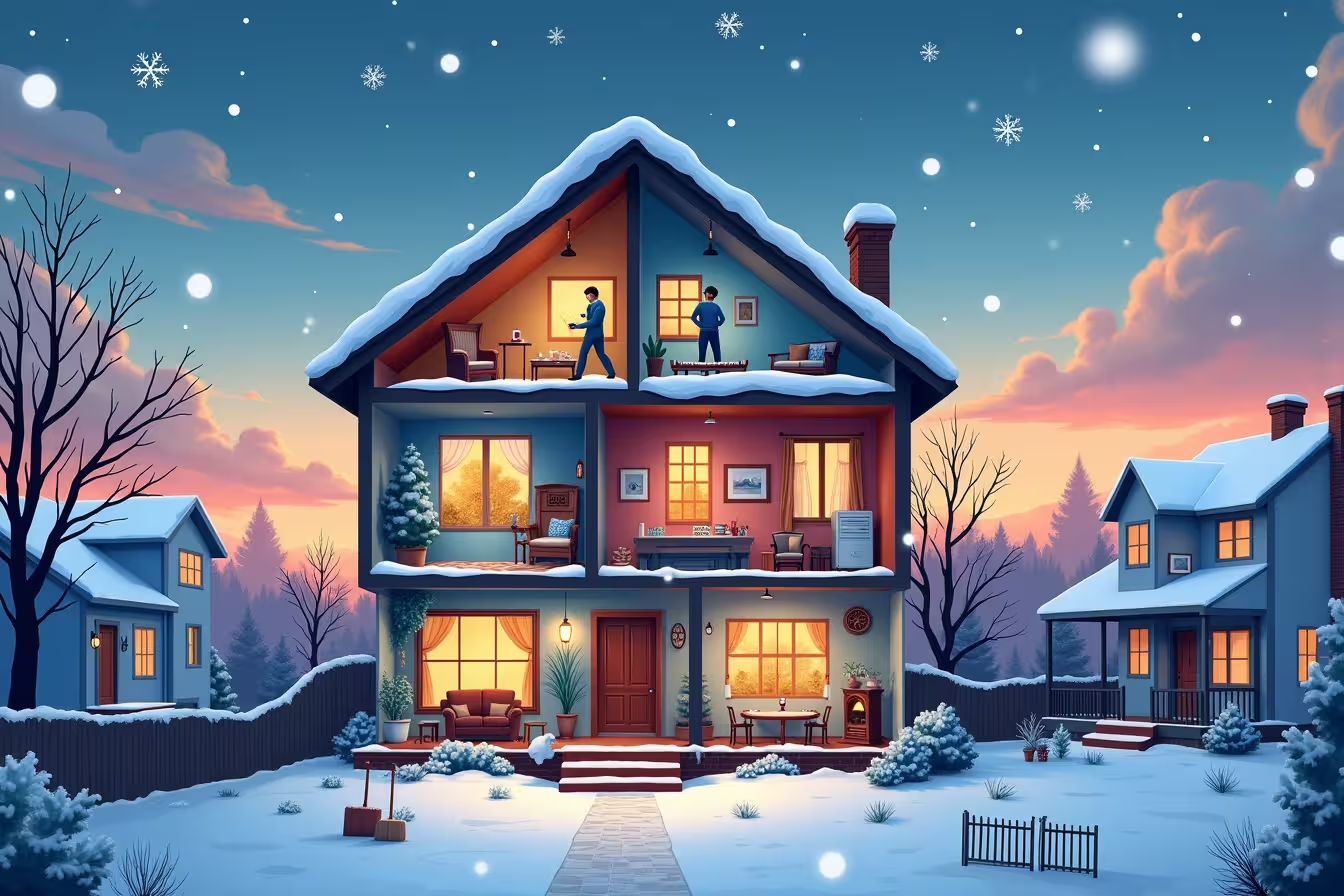
As the crisp autumn air gives way to winter's chill, it's time for homeowners to roll up their sleeves and prepare their homes for the cold months ahead. Winter home preparation is not just about comfort; it's about protecting your investment and ensuring your family's safety. In this comprehensive guide, we'll explore essential winter-proofing your house techniques and provide a detailed homeowner winter checklist to help you tackle the season with confidence.
1. Insulate Your Windows: The First Line of Defense
When it comes to winterize your home tips, window insulation tops the list. Many homeowners experience significant heat loss through their windows, which can lead to skyrocketing energy bills and a chilly interior.
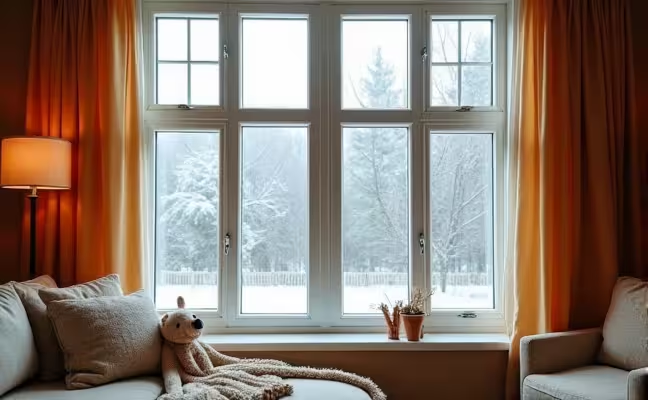
To combat this issue, consider the following options:
- Thermal Curtains: These heavy-duty curtains create an additional barrier against the cold and can be aesthetically pleasing.
- Plastic Film Insulation: This affordable option involves applying a thin, transparent film to your windows, creating an insulating air pocket.
- Bubble Wrap: For a quick DIY solution, bubble wrap can be applied to windows using water as an adhesive. While not the most attractive option, it's surprisingly effective.
By implementing these insulation techniques, you can significantly reduce heat loss and keep your home cozy throughout the winter months.
2. Ensuring Your Heating System is Winter-Ready
A crucial aspect of winter home preparation is making sure your heating system is in top condition. A well-maintained heating system not only ensures your comfort but can also lead to substantial energy savings.
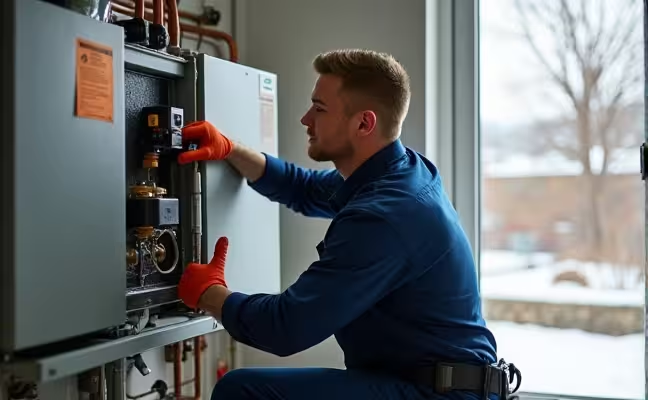
Here's what you should do:
- Schedule a professional inspection and service before the cold sets in.
- Replace filters and clean vents to improve airflow and efficiency.
- Check for any unusual noises or odors that might indicate a problem.
- Consider upgrading to a more energy-efficient model if your current system is outdated.
Remember, a well-functioning heating system is not just about comfort; it's also about safety. Regular maintenance can prevent dangerous issues like carbon monoxide leaks.
3. Protecting Your Pipes: A Critical Winter-Proofing Task
One of the most important items on your homeowner winter checklist should be protecting your pipes. Frozen pipes can burst, leading to extensive and expensive water damage.
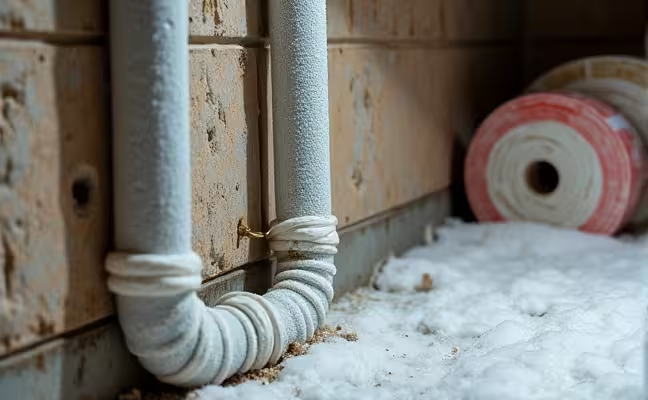
Here are some effective ways to protect your pipes:
- Insulate Exposed Pipes: Use foam pipe insulation or heating tape, especially in unheated areas like basements, attics, and crawl spaces.
- Keep the Heat On: Maintain a consistent temperature in your home, even when you're away.
- Let Faucets Drip: On extremely cold nights, allowing faucets to drip slightly can prevent freezing.
- Seal Leaks: Check for air leaks near pipes and seal them to keep the cold air out.
Taking these precautions can save you from the headache and expense of dealing with burst pipes in the dead of winter.
4. Clearing Your Gutters: An Often Overlooked Task
As part of your winter home preparation, don't forget about your gutters. Clogged gutters can lead to ice dams, which can cause serious damage to your roof and home's structure.
Here's what you need to do:
- Remove all leaves, twigs, and debris from your gutters.
- Check for proper drainage and ensure downspouts are directing water away from your home's foundation.
- Consider installing gutter guards to prevent future clogs.
- Look for any signs of damage or sagging and repair as necessary.
By keeping your gutters clean and functional, you're protecting your home from potential water damage and preserving its structural integrity.
5. Sealing Leaks: A Simple Yet Effective Measure
When it comes to winter-proofing your house, sealing leaks is a task that offers a big payoff for relatively little effort. Cold air can sneak in through the tiniest cracks, making your heating system work overtime.
Focus on these areas:
- Windows and door frames
- Electrical outlets on exterior walls
- Areas where pipes or wires enter the home
- Basement rim joists
Use weatherstripping, caulk, or foam sealant to close these gaps. This simple task can significantly improve your home's energy efficiency and comfort level.
6. Checking Your Roof: Your Home's First Line of Defense
Your roof is crucial in protecting your home from the elements, making it an essential part of your winter home preparation. Before the snow starts to fall, take the time to inspect your roof thoroughly.
Look out for:
- Missing, damaged, or loose shingles
- Signs of sagging or unevenness
- Damaged flashing around chimneys and vents
- Any signs of previous leaks in the attic
If you're not comfortable inspecting the roof yourself, consider hiring a professional. Addressing any issues now can prevent costly repairs later and ensure your home stays dry and warm throughout the winter.
7. Installing a Programmable Thermostat: Smart Heating for Winter
One of the most effective winterize your home tips is to install a programmable thermostat. This modern device allows you to control your home's temperature with precision, potentially leading to significant energy savings.
Here's how to make the most of a programmable thermostat:
- Set lower temperatures when you're asleep or away from home.
- Program the temperature to rise shortly before you wake up or return home.
- Consider a smart thermostat that learns your habits and adjusts automatically.
- Use zoned heating if possible to heat only the areas of your home that are in use.
By optimizing your heating schedule, you can maintain comfort while reducing your energy consumption and costs.
8. Preparing Your Fireplace: Ensuring Safe and Efficient Operation
If you're fortunate enough to have a fireplace, it's crucial to prepare it properly as part of your winter home preparation. A well-maintained fireplace can provide warmth and ambiance, but a neglected one can be a safety hazard.
Follow these steps to prepare your fireplace:
- Have the chimney professionally cleaned and inspected annually.
- Check for cracks in the chimney structure and have them repaired.
- Ensure the damper is functioning correctly and seals properly when closed.
- Stock up on firewood, storing it in a dry place away from the house.
- Install or check carbon monoxide and smoke detectors near the fireplace.
A properly maintained fireplace can be a cozy focal point in your winter home, providing both warmth and charm.
9. Insulating Your Attic: Preventing Heat Escape
When it comes to winter-proofing your house, don't overlook your attic. Proper attic insulation can significantly reduce heat loss and lower your energy bills.
Here's what you need to know about attic insulation:
- Check the current insulation levels and add more if necessary.
- Ensure proper ventilation to prevent moisture buildup.
- Seal any air leaks before adding insulation.
- Consider hiring a professional for a thorough assessment and installation.
While it might seem counterintuitive to insulate a space you don't use, remember that a well-insulated attic acts as a barrier, keeping the warm air inside your living spaces where you want it.
10. Protecting Outdoor Furniture and Equipment
As you work through your homeowner winter checklist, don't forget about your outdoor spaces. Proper winter storage of outdoor furniture and equipment can extend their life and save you money in the long run.
Here's what you should do:
- Clean and dry all outdoor furniture before storing.
- Use weatherproof covers for items that can't be stored indoors.
- Drain and store garden hoses to prevent freezing and cracking.
- Winterize outdoor equipment like lawnmowers and leaf blowers according to manufacturer instructions.
- Bring potted plants indoors or to a protected area.
By taking these steps, you'll ensure your outdoor items are ready for use when spring arrives.
11. Stocking Up on Winter Essentials
The final step in your winter home preparation should be stocking up on essential supplies. Being prepared can make a big difference when winter weather hits.
Your winter supply list should include:
- Salt or sand for icy walkways and driveways
- A sturdy snow shovel or snow blower
- Emergency supplies like flashlights, batteries, and non-perishable food
- Extra blankets and warm clothing
- A backup power source, such as a generator, for areas prone to power outages
Having these items on hand will ensure you're ready for whatever winter throws your way.
Conclusion: Embrace Winter with Confidence
Winter-proofing your house might seem like a daunting task, but by following this comprehensive homeowner winter checklist, you can tackle the cold months with confidence. Remember, the key to effective winter home preparation is to start early and be thorough. By investing time and effort now, you'll create a warm, safe, and efficient home environment that will see you through the winter in comfort.
As a homeowner myself, I understand how overwhelming these tasks can seem. That's why I'm excited about simpleHome, a platform that connects homeowners like us with local professionals who can help with various aspects of winter-proofing. Whether you need help with insulation, HVAC maintenance, or any other winter preparation tasks, simpleHome makes it easy to find reliable experts in your area. It's been a game-changer for me in managing my home maintenance, especially during the busy pre-winter season.
Stay warm, stay safe, and enjoy the cozy comforts of your well-prepared home this winter!