


How to Create a Zen Space in Your Home
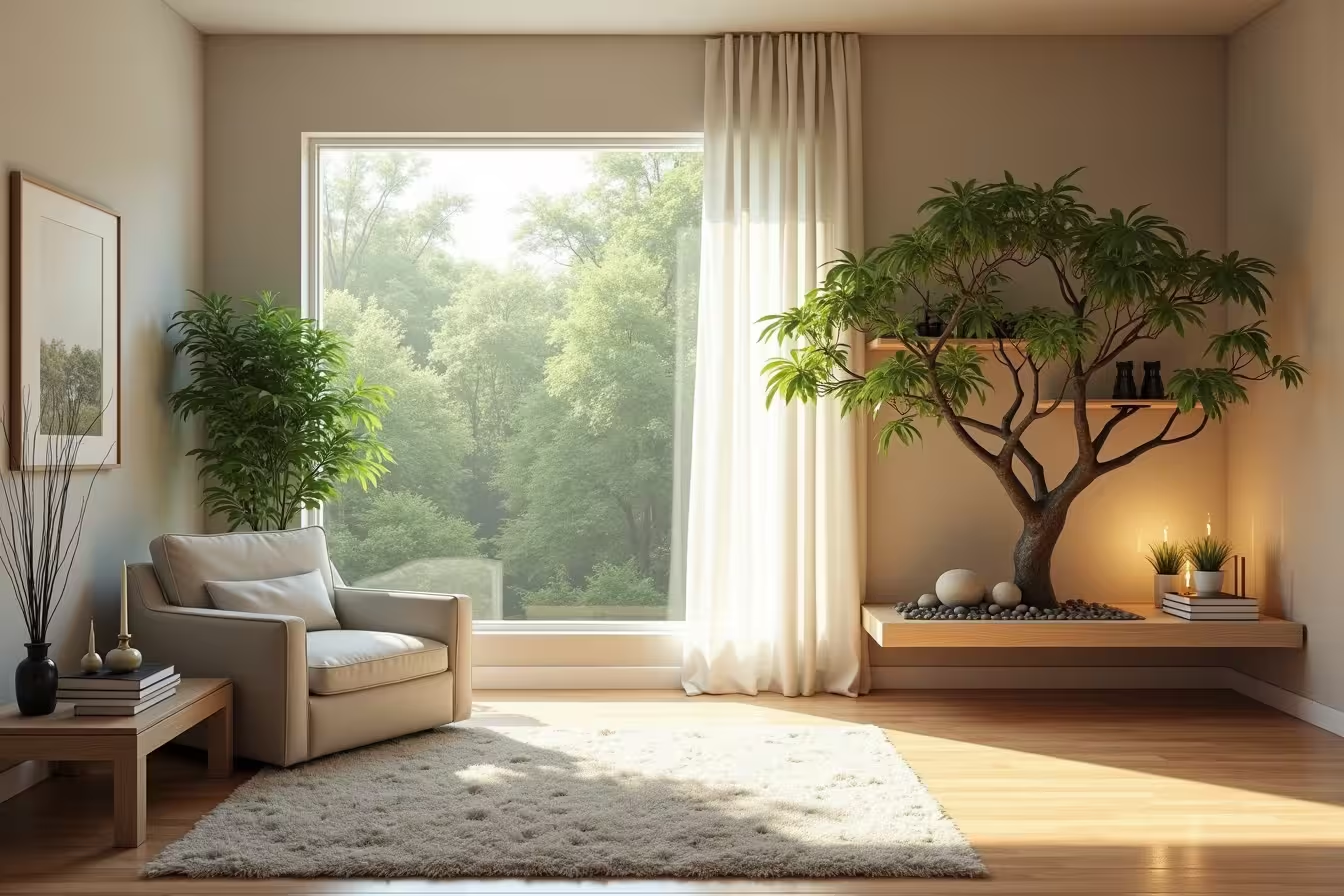
In today's fast-paced world, having a peaceful retreat within your home is more important than ever. Creating a Zen space at home can provide a sanctuary for relaxation, meditation, and rejuvenation. This comprehensive guide will walk you through the process of designing and implementing your own personal Zen oasis, offering Zen space at home ideas and Zen home decor ideas that will transform a corner of your house into a haven of tranquility.
1. Identifying the Right Space
The first step in creating a peaceful space at home is choosing the perfect location. When considering how to make a Zen room, start by selecting an area that offers privacy and minimal disturbances. This could be a spare bedroom, a quiet corner of your living room, or even a secluded nook in your garden.
Ideally, your Zen space should have access to natural light, as this can significantly enhance the calming atmosphere. If possible, choose a room with a view of nature – be it a garden, trees, or even the sky. The connection to the natural world can greatly amplify the serene ambiance you're aiming to create.
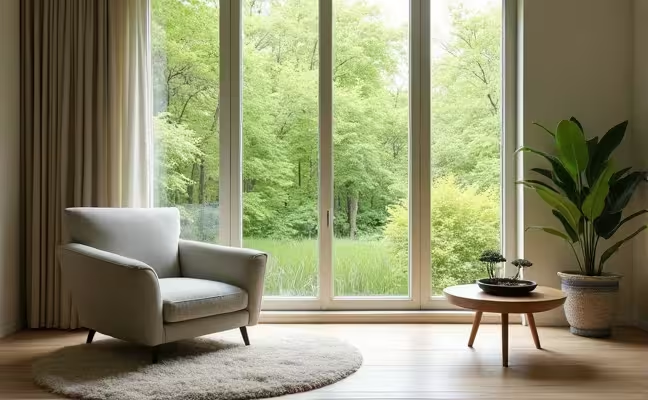
As you can see in the image above, a perfect Zen space incorporates natural light, comfortable seating, and a view of nature. This setup exemplifies several key Zen space design tips that we'll explore further in this article.
2. Embracing Minimalism
At the core of Zen philosophy lies the concept of simplicity. When creating a Zen space at home, it's crucial to adopt a minimalist approach. This doesn't mean your space should be stark or empty, but rather that each item within it should serve a purpose, whether functional or aesthetic.
Start by decluttering the chosen area. Remove any unnecessary items, keeping only those that contribute to the peaceful atmosphere you're trying to create. This process of simplification can be therapeutic in itself, helping you to let go of material attachments and focus on what truly matters.
When selecting furniture and decor for your Zen space, opt for pieces with clean lines and simple designs. Avoid ornate or busy patterns that can distract from the sense of calm. Remember, in a Zen space, less is often more.
3. Incorporating Natural Elements
Nature plays a significant role in Zen philosophy, and bringing natural elements into your space can greatly enhance its calming effect. There are numerous Zen home decor ideas that incorporate nature, from living plants to natural materials like wood and stone.
Consider adding some of these natural elements to your Zen space:
- Plants: Low-maintenance options like bamboo, succulents, or bonsai trees can add life and purify the air.
- Water features: A small indoor fountain or a tabletop waterfall can provide soothing sounds and a focal point for meditation.
- Stones or pebbles: These can be used in a variety of ways, from creating a small rock garden to serving as paperweights or decorative elements.
- Natural fibers: Incorporate materials like cotton, linen, or jute in your textiles for a organic, earthy feel.
- Wood: Choose wooden furniture or decorative elements to bring warmth and a connection to nature into your space.
By integrating these elements, you're not just decorating; you're creating a multi-sensory experience that can deepen your connection to the natural world and enhance your sense of peace.
4. Choosing a Calming Color Palette
Color has a profound impact on our mood and state of mind. When considering Zen space at home ideas, it's important to choose a color palette that promotes tranquility and relaxation. Typically, this means opting for neutral and earthy tones.
Some colors to consider for your Zen space include:
- Beige and cream: These soft, warm neutrals create a sense of comfort and calmness.
- Light grey: A cool, soothing color that can make a space feel more open and airy.
- Soft white: Creates a clean, fresh feeling and can make a small space feel larger.
- Pale green: A subtle nod to nature that can promote feelings of growth and renewal.
- Soft blue: Reminiscent of the sky or water, blue can have a deeply calming effect.
Remember, the goal is to create a space that feels soothing to your eyes and promotes serenity. Avoid bright or bold colors that might be stimulating or distracting.
5. Mastering the Art of Lighting
Lighting plays a crucial role in setting the mood of your Zen space. Harsh, bright lights can be jarring and disruptive to a calm atmosphere. Instead, focus on soft, diffused lighting that creates a gentle glow.
Here are some Zen space design tips for lighting:
- Maximize natural light: If possible, use sheer curtains or blinds that allow sunlight to filter through softly.
- Use dimmers: Install dimmer switches on your light fixtures to control the intensity of artificial lighting.
- Incorporate candles: The soft, flickering light of candles can create a serene ambiance.
- Try salt lamps: These emit a warm, soothing glow and are believed to have air-purifying properties.
- Use indirect lighting: Floor lamps or wall sconces that direct light upwards or towards walls can create a soft, ambient glow.
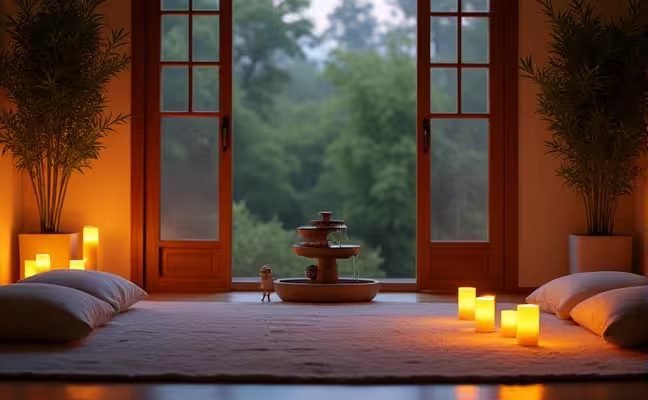
As you can see in this image, soft lighting from candles creates a warm, inviting atmosphere in this Zen space. The low seating and natural elements further enhance the peaceful ambiance.
6. Creating Comfortable Seating
Comfort is key when it comes to creating a space where you can truly relax and unwind. When considering how to make a Zen room, pay special attention to the seating options you provide.
Here are some ideas for comfortable seating in your Zen space:
- Floor cushions: These allow for flexible seating arrangements and encourage a grounded feeling.
- Meditation cushion or zafu: If you plan to use your space for meditation, a dedicated cushion can support proper posture.
- Comfortable armchair: Choose one with clean lines and a soothing color that invites relaxation.
- Yoga mat: If you plan to practice yoga in your Zen space, a high-quality mat is essential.
- Soft rug: A plush rug can make sitting on the floor more comfortable and add warmth to the space.
Remember, the goal is to create a space where you feel comfortable spending extended periods of time. Choose seating options that support the activities you plan to do in your Zen space, whether that's reading, meditating, or simply sitting in quiet contemplation.
7. Enhancing the Atmosphere with Aromatherapy
Our sense of smell is closely linked to our emotions and memories, making aromatherapy a powerful tool in creating a peaceful space at home. Incorporating soothing scents into your Zen space can help to create a multi-sensory experience of relaxation.
Here are some ways to incorporate aromatherapy into your Zen space:
- Essential oil diffuser: Use calming essential oils like lavender, chamomile, or sandalwood.
- Incense: The ritual of lighting incense can be meditative in itself, and scents like sage or palo santo are traditionally used for cleansing spaces.
- Scented candles: Choose natural soy or beeswax candles with calming scents.
- Fresh flowers: Some flowers, like jasmine or gardenia, have naturally calming scents.
- Herbs: A small pot of fresh herbs like rosemary or mint can provide a subtle, natural fragrance.
Remember to use scents sparingly – the goal is to create a subtle, pleasant aroma, not to overwhelm the senses.
8. Creating a Soundscape
Sound, or the lack thereof, can greatly influence the atmosphere of your Zen space. While silence can be golden, some people find that gentle background sounds enhance their ability to relax and focus.
Consider these options for creating a soothing soundscape in your Zen space:
- Nature sounds: Recordings of rainfall, ocean waves, or forest sounds can be deeply relaxing.
- Soft instrumental music: Choose music without lyrics that has a slow, gentle tempo.
- Wind chimes: If your Zen space is near a window, hanging wind chimes outside can provide a pleasant, intermittent sound.
- White noise machine: This can help to mask any disruptive outside noises.
- Water features: As mentioned earlier, a small fountain can provide a soothing sound of running water.
The key is to choose sounds that you find personally relaxing and that don't distract from your meditation or relaxation practice.
9. Maintaining Cleanliness and Organization
A cluttered space leads to a cluttered mind. Regular cleaning and organizing of your Zen space is not just about aesthetics – it's an essential practice for maintaining a calm and positive environment.
Here are some tips for keeping your Zen space clean and organized:
- Develop a daily tidying routine: Spend a few minutes each day straightening up your space.
- Use storage solutions: Incorporate simple, attractive storage options to keep necessary items out of sight.
- Regular deep cleaning: Schedule a weekly or bi-weekly deep clean of your Zen space.
- Practice the "one in, one out" rule: If you bring a new item into your Zen space, remove an old one to maintain balance.
- Dust regularly: Keeping surfaces dust-free not only looks better but can improve air quality.
Remember, the act of cleaning and organizing your space can be a meditative practice in itself, helping you to cultivate mindfulness and care for your environment.
10. Personalizing Your Zen Space
While many Zen space at home ideas focus on minimalism and simplicity, it's important to remember that this is your personal sanctuary. Adding elements that are meaningful to you can help to create a deeper connection with the space.
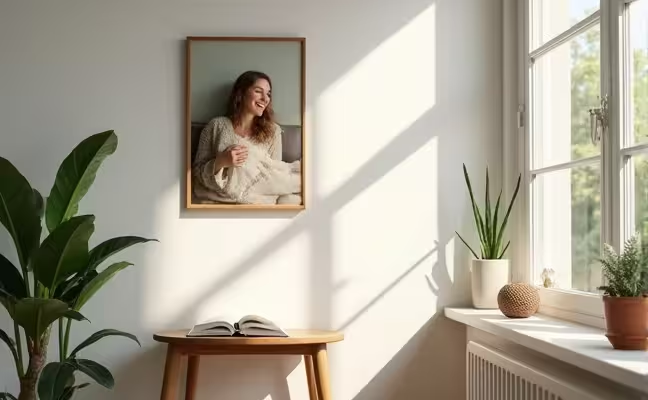
As you can see in this image, personal touches like a cherished photograph and a favorite book can add warmth and meaning to a Zen space without compromising its serene atmosphere.
Here are some ideas for personalizing your Zen space:
- Artwork: Choose a piece that evokes feelings of peace or joy.
- Meaningful objects: Include items that have personal significance, like a gift from a loved one or a souvenir from a special trip.
- Books: Keep a small selection of your favorite inspirational or calming reads.
- Journal: A beautiful journal for recording your thoughts can be both decorative and functional.
- Photographs: Choose one or two images that bring you joy or peace.
Remember, the key is to strike a balance. Add personal elements thoughtfully, ensuring they contribute to, rather than detract from, the overall sense of peace in your space.
Conclusion
Creating a Zen space at home is a deeply personal journey. It's about crafting an environment that speaks to your soul and provides you with a sanctuary from the stresses of daily life. By following these Zen space design tips and incorporating Zen home decor ideas that resonate with you, you can transform a corner of your home into a peaceful retreat.
Remember, creating a Zen space is not a one-time task, but an ongoing process. As you spend time in your space, you may find yourself inspired to make small changes or additions. Listen to your intuition and allow your space to evolve with you.
As someone who has personally embarked on this journey of creating a Zen space at home, I can attest to the profound impact it can have on your overall well-being. And if you're looking for professional help in bringing your Zen space vision to life, I've found that simpleHome is an excellent resource. They connect homeowners like us with local professionals who can assist in everything from design consultation to implementation. Whether you need help selecting the perfect color palette or installing a water feature, simpleHome can help you find the right expert to make your Zen space dreams a reality.
May your Zen space bring you peace, clarity, and a deeper connection to yourself and the world around you. Happy creating!