


Innovative Ways to Create Multi-Functional Spaces in Your Home
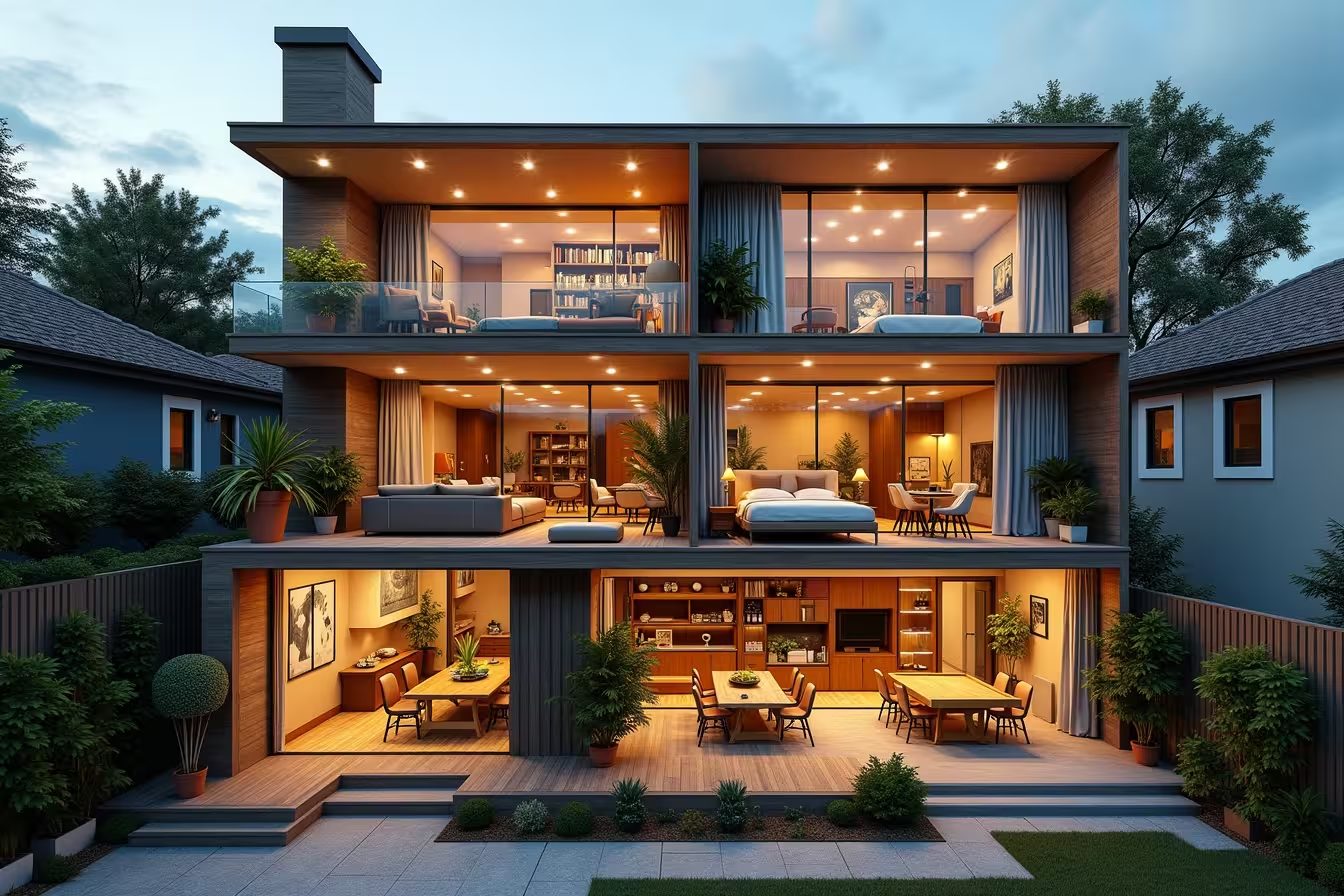
In today's world, where living spaces are becoming increasingly compact, the need for innovative home design and space-saving furniture has never been more crucial. Whether you're living in a cozy apartment or a spacious house, optimizing your home's layout can transform your living experience. This article will explore various multi-functional spaces ideas and small space living solutions that can help you make the most of your home.
1. Maximizing Storage Opportunities
One of the most effective ways to create multi-functional spaces is by integrating clever storage solutions into your existing furniture and architecture. This approach not only saves space but also enhances the overall functionality of your home without compromising on aesthetics.
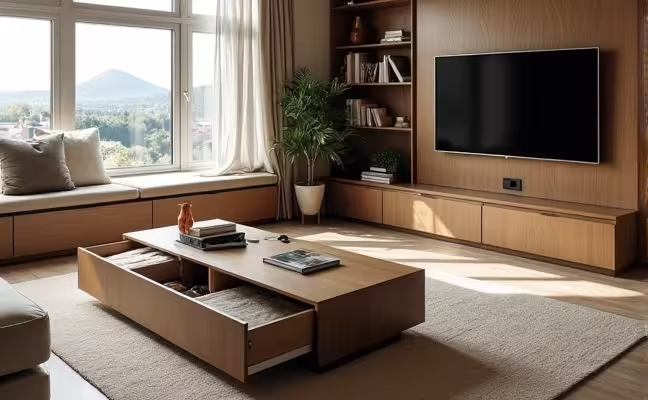
Consider investing in a coffee table with hidden compartments or a window seat with built-in drawers. These pieces of furniture serve their primary purpose while offering additional storage space. Wall-mounted shelves can also be a great addition, providing both storage and display areas without taking up valuable floor space.
2. Using Room Dividers for Flexible Spaces
Room dividers are an excellent tool for creating multi-functional spaces, especially in open-plan layouts. They offer a practical and stylish method to transform a large room into distinct areas, each serving a different purpose.
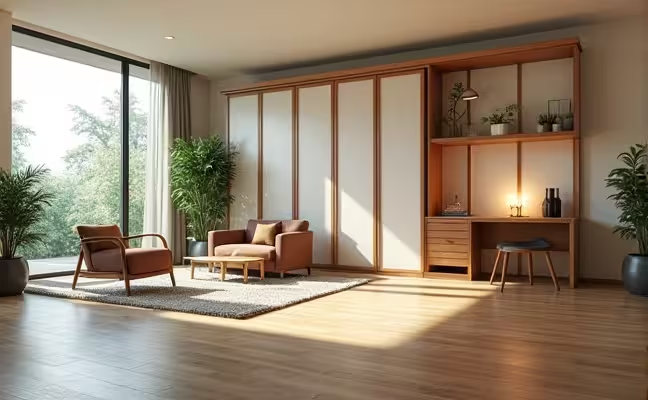
Movable screens, bookshelves with potted plants, or even curtains can serve as effective room dividers. These versatile solutions allow for flexibility in space utilization and can be easily moved or altered to suit changing needs. For instance, you could use a bookshelf to separate a living area from a home office space, providing both privacy and storage.
3. Incorporating Multi-Purpose Furniture
When it comes to space-saving furniture, multi-purpose pieces are a game-changer. These innovative designs can drastically enhance the functionality of a space while adding a unique and interactive element to your home.
Consider a wall bed that folds into a desk during the day, perfect for small apartments where the bedroom needs to double as a home office. Or how about a dining table that transforms into a pool table for entertainment? These space-saving furniture ideas not only optimize your living area but also add an element of fun and versatility to your home.
4. Utilizing Vertical Space
In the quest for home space optimization, vertical space is often overlooked. However, it presents numerous opportunities for creating multi-functional spaces. By thinking vertically, you can free up valuable floor space and create additional functional areas.
Wall-mounted shelves, loft beds, and hanging storage options are excellent ways to make use of vertical space. For instance, a loft bed in a child's room can create a play area or study space underneath. In the kitchen, a pegboard wall can hold utensils and small appliances, freeing up counter space for food preparation.
5. Implementing Flexible Layouts
Flexible layouts are at the heart of innovative home design. By using modular furniture or movable walls, you can create a space that adapts to your changing needs throughout the day or for different occasions.
For example, in an open-plan living area, you could use modular sofas that can be rearranged to create a cozy movie-watching setup in the evening and a more open layout for entertaining guests during the day. Movable walls or sliding doors can also be used to separate or combine spaces as needed, offering ultimate flexibility in your home design.
6. Outdoor Integration
Incorporating outdoor spaces into your home layout can significantly increase the multi-functionality of your living area. This approach not only provides additional space but also offers a refreshing change of environment.
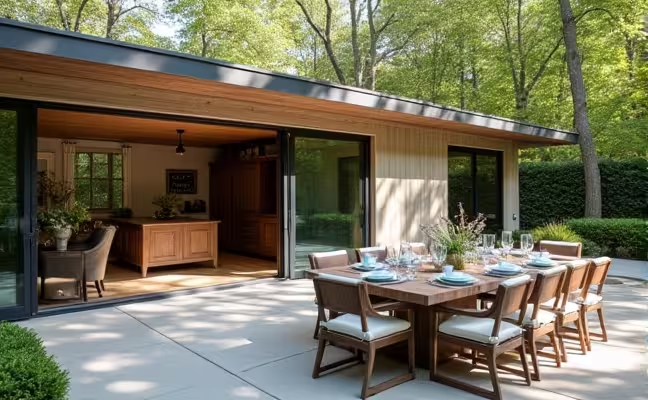
A patio could serve as an outdoor dining area, perfect for summer evenings or weekend brunches. An outdoor shed could be converted into a home office or a hobby room, providing a separate space for work or leisure activities. By treating your outdoor areas as an extension of your indoor living space, you can greatly expand the functional square footage of your home.
7. Leveraging Smart Home Technology
In the realm of innovative home design, smart home technology plays a crucial role in creating multi-functional spaces. These technological solutions can help manage household tasks efficiently and transform the ambiance of a room with the touch of a button.
Smart lighting systems, for instance, can help set different moods for the same space. You could have bright, focused lighting for a home office setup during the day, and then switch to softer, ambient lighting for a relaxing evening atmosphere. Voice-activated technology can control various aspects of your home, from adjusting the thermostat to playing music, making your living space more responsive to your needs.
8. Creating Functional Zones
Another effective approach to multi-functional spaces ideas is to create distinct 'zones' within a larger room. This technique allows you to maximize the utility of your space without the need for physical partitions.
For example, a large living room could be divided into a reading nook, a TV viewing area, and a workspace. This can be achieved through the strategic placement of furniture, careful use of color, and thoughtful lighting design. Area rugs can help define different zones, while varying ceiling heights or flooring materials can also create visual separation between functional areas.
9. Incorporating Mirrors for Space Illusion
Mirrors are a powerful tool in the arsenal of small space living solutions. They can create the illusion of a larger, more expansive space, making a room appear more multi-functional than it actually is.
A large mirror can serve as both a decorative piece and a practical addition to a dressing area or bathroom. In a small dining room, a mirrored wall can make the space feel twice as large, perfect for when you're entertaining guests. Mirrored furniture, such as coffee tables or wardrobes, can also help to visually expand a room while serving their primary function.
10. Optimizing Lighting for Versatility
Lighting plays a crucial role in creating multi-functional spaces. Through the strategic use of different light sources and lighting techniques, you can transform the atmosphere of a room to suit various purposes.
Dimmable lights are an excellent investment for multi-functional spaces. They allow you to adjust the brightness to create different moods - bright for working or cooking, and dimmed for relaxing or entertaining. Task lighting, such as desk lamps or under-cabinet lights, can help define specific areas within a larger space. Smart lighting systems can even be programmed to automatically adjust based on the time of day or your daily routines.
Conclusion
Creating multi-functional spaces in your home is all about thinking creatively and making the most of every square inch. From clever storage solutions and multi-purpose furniture to smart technology and flexible layouts, there are countless ways to optimize your living space. By implementing these innovative home design ideas, you can transform your home into a versatile, efficient, and enjoyable living environment that adapts to your changing needs.
As I've worked on numerous home renovation projects, I've seen firsthand how these multi-functional spaces ideas can revolutionize a home. If you're feeling inspired to optimize your living space but aren't sure where to start, remember that you don't have to do it alone. At simpleHome, we connect homeowners like you with local professionals who can help bring your multi-functional space dreams to life. Whether you need help with space-saving furniture installation or a complete home redesign, our network of experts is ready to assist you in creating the perfect multi-functional home.