


The Ultimate Guide to Historical Home Restoration
Welcome to our comprehensive guide on historical home restoration! If you're the proud owner of a historic house or considering purchasing one, this article will provide you with invaluable insights into the art and science of restoring old houses. From understanding the significance of your property to navigating the complexities of renovation, we'll cover everything you need to know to embark on your historic home renovation journey.
1. Understanding the History and Significance of the House
Before you even pick up a paintbrush or call a contractor, it's crucial to delve into the rich history of your historic home. This step is the foundation of any successful historical home restoration project. By understanding the past, you can make informed decisions about preserving the future of your property.
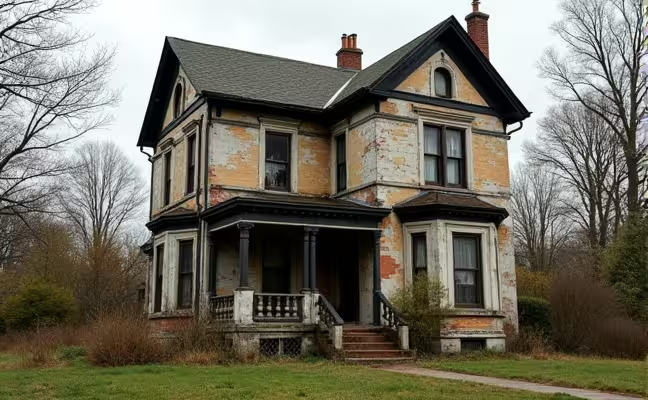
Take a look at the image above. This Victorian-era house, with its peeling paint and overgrown garden, is crying out for restoration. But before we jump into fixing it up, we need to understand its story. Here are some key aspects to research:
- Architectural style: Is it Victorian, Georgian, Colonial, or something else?
- Year of construction: This can give you insights into the materials and techniques used
- Previous owners: Were there any notable figures who lived in the house?
- Historical events: Did any significant events occur in or around the property?
- Original features: What unique elements defined the house in its prime?
This research will not only help you appreciate your home's heritage but also guide your restoration decisions. For instance, if you discover that your house was built during the Arts and Crafts movement, you might want to preserve or recreate elements typical of that style.
2. Hiring Experts for Your Historic Home Renovation
Restoring old houses is not a DIY project for the faint of heart. It requires specialized knowledge, skills, and experience. That's why one of the most critical old house restoration tips we can offer is to hire experts who specialize in historic preservation.
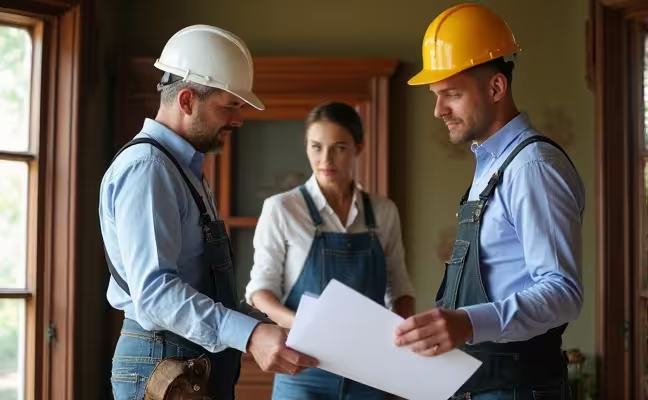
In the image above, you can see a team of professionals working on a historical home restoration project. These experts typically include:
- Architects specializing in historic preservation
- Contractors experienced in working with old buildings
- Craftsmen skilled in traditional building techniques
- Historians or researchers to provide historical context
- Conservationists to advise on preserving original elements
These professionals can help you navigate the complexities of restoring old houses while ensuring that your renovations respect the home's historical integrity. They can also help you avoid common pitfalls that might compromise the value or authenticity of your historic property.
3. Preserving Original Elements: The Heart of Historical Home Restoration
One of the most rewarding aspects of historic home renovation is preserving and showcasing the original elements that give your house its unique character. These features tell the story of your home and connect it to its past.
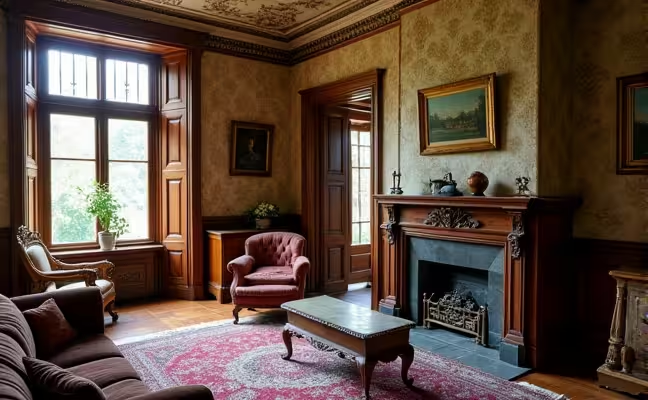
Take a moment to appreciate the beautifully preserved interior in the image above. Notice how the original elements create a sense of timeless elegance. When restoring old houses, pay special attention to preserving:
- Original woodwork, including moldings, staircases, and built-in cabinetry
- Vintage wallpapers or paint colors
- Historic fireplaces and mantels
- Original flooring, whether wood, tile, or stone
- Antique light fixtures and hardware
- Period-appropriate windows and doors
Preserving these elements not only maintains the historical authenticity of your home but can also increase its value. Many homebuyers are willing to pay a premium for well-preserved historic features.
4. Modernizing with Care: Balancing Old and New in Historic Home Renovation
While preserving the past is crucial in historical home restoration, it's equally important to ensure your home is comfortable and functional for modern living. The key is to introduce modern amenities without compromising the home's historical character.
Here are some historic home renovation ideas for modernizing with care:
- Update electrical systems while hiding wiring behind walls or in conduits
- Install modern plumbing fixtures that match the style of the era
- Add insulation to improve energy efficiency without altering the exterior appearance
- Incorporate smart home technology discreetly
- Create modern kitchen and bathroom spaces that blend seamlessly with the home's style
Remember, the goal is to make your historic home livable for the 21st century while maintaining its historical integrity. This balance is what makes historical home restoration both challenging and rewarding.
5. Using Period-Appropriate Materials and Techniques
A crucial aspect of any historical home restoration guide is emphasizing the importance of using materials and techniques that are appropriate to the period when the home was built. This approach ensures that your restoration work blends seamlessly with the original construction.
Here are some tips for using period-appropriate materials and techniques:
- Research the types of materials commonly used when your home was built
- Source reclaimed materials from the same era when possible
- Learn about traditional building techniques and try to replicate them
- Use modern materials that closely mimic historic ones when necessary
- Avoid anachronistic elements that could detract from the home's authenticity
For example, if you're restoring a 19th-century home with plaster walls, it's better to repair the plaster using traditional methods rather than replacing it with drywall. Similarly, when replacing windows, opt for styles and materials that match the original as closely as possible.
6. Navigating Legal and Regulation Considerations
Restoring old houses often involves more than just physical work. You'll likely need to navigate a complex web of laws and regulations related to historic preservation. These rules are designed to protect the historical and cultural value of old buildings, but they can also present challenges for homeowners.
Key legal considerations in historical home restoration include:
- Local historic district regulations
- State and federal historic preservation laws
- Building codes and how they apply to historic structures
- Zoning laws that may affect your renovation plans
- Permits required for various aspects of the restoration
It's essential to research these regulations early in your planning process. Many historic home renovation ideas may need to be adjusted to comply with preservation laws. Working with a lawyer who specializes in historic preservation can be invaluable in navigating these complexities.
7. Planning for Long-Term Maintenance
Historical home restoration is not a one-time project; it's an ongoing commitment to preserving a piece of history. As you plan your restoration, it's crucial to think about long-term maintenance to ensure your hard work stands the test of time.
Consider these factors when planning for long-term maintenance:
- Regular inspections to catch potential issues early
- Seasonal maintenance tasks specific to historic homes
- Budgeting for ongoing repairs and upkeep
- Creating a maintenance schedule for different parts of the house
- Learning proper cleaning and care techniques for historic materials
By incorporating long-term maintenance into your restoration plan, you can help ensure that your historic home remains in excellent condition for years to come.
8. Budgeting and Financing Your Historic Home Renovation
One of the most important old house restoration tips is to create a realistic budget and explore financing options. Restoring old houses can be expensive, but there are ways to manage costs and even find financial assistance.
Here are some budgeting and financing considerations:
- Get detailed estimates from multiple contractors
- Include a contingency fund for unexpected issues (common in old houses)
- Research grants and tax incentives for historic preservation
- Explore specialized loans for historic home renovation
- Consider phasing the restoration if necessary to spread out costs
Remember, while historical home restoration can be costly, it's also an investment in preserving history and potentially increasing your property's value.
9. Documenting Your Historical Home Restoration Journey
As you embark on your historic home renovation journey, don't forget to document the process. This documentation is not only personally rewarding but can also be valuable for future owners or historians.
Here's what you should consider documenting:
- Before and after photos of each room and exterior
- Details of all work done, including materials used and techniques employed
- Any historical artifacts or documents discovered during the restoration
- The decision-making process for various aspects of the restoration
- Challenges encountered and how they were overcome
This documentation can serve as a valuable resource for future maintenance or further restoration work. It also adds to the historical record of your home, potentially increasing its historical and monetary value.
Conclusion: Embracing the Challenge of Historical Home Restoration
Restoring old houses is a labor of love that requires patience, dedication, and a deep appreciation for history. By following this historical home restoration guide, you'll be well-equipped to tackle the challenges and reap the rewards of bringing a piece of history back to life.
Remember, every historic home has a unique story to tell. Your restoration efforts are not just about creating a beautiful living space; they're about preserving a chapter of our collective history for future generations to appreciate and learn from.
As someone who's passionate about home improvement and preservation, I've found that connecting with the right professionals is crucial for any renovation project, especially when it comes to historical homes. That's why I love using simpleHome. It's an incredible tool that helps homeowners like us find and connect with local experts who specialize in historic home restoration. Whether you need an architect, a skilled craftsman, or a preservation consultant, simpleHome can help you find the perfect match for your project. It's made my restoration journey so much easier, and I'm sure it can do the same for you!