


How to Restore an Older Home's Charm While Modernizing It
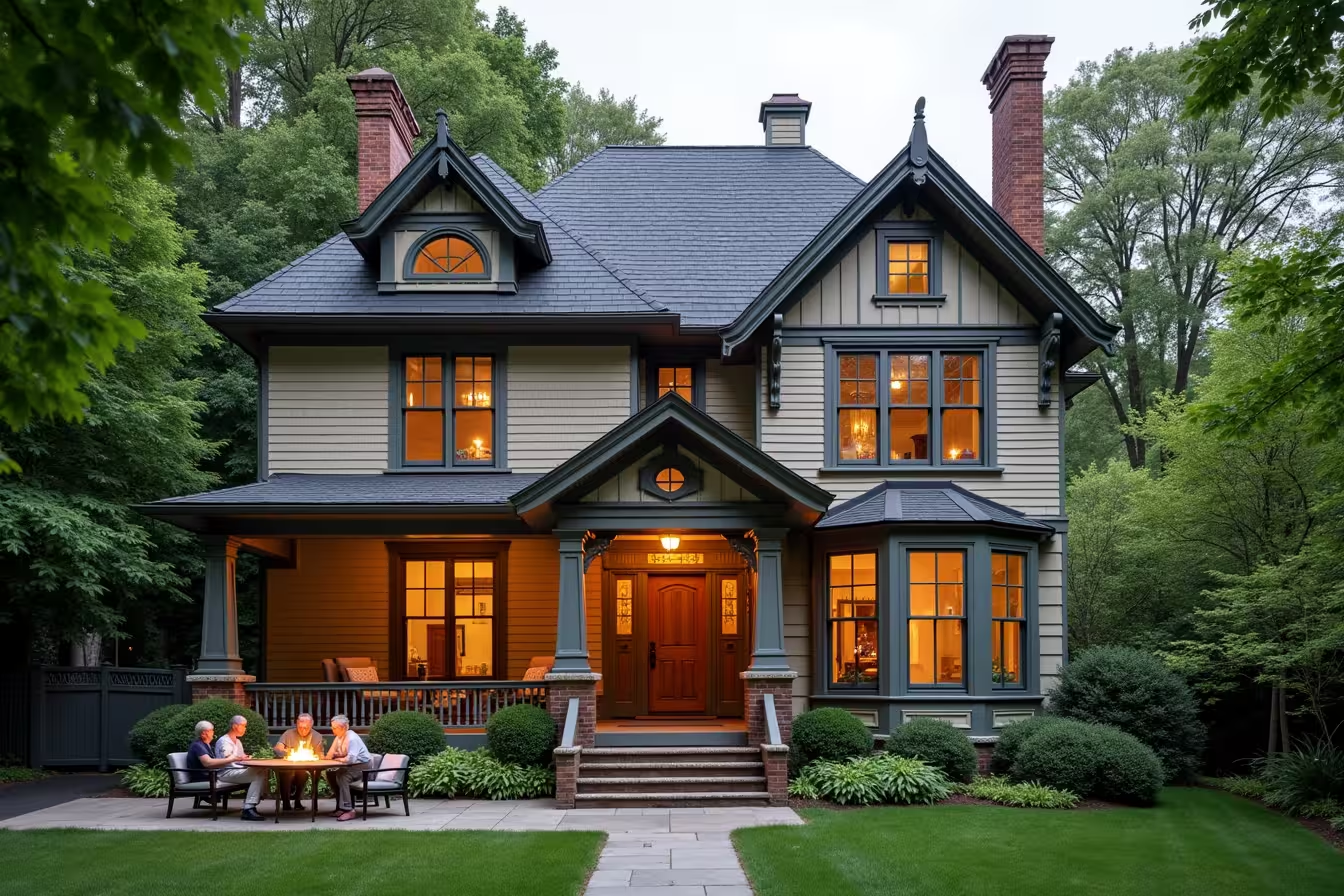
There's something undeniably alluring about older homes. Their character, craftsmanship, and unique architectural details often captivate us in ways that newer constructions simply can't match. However, living in an older home doesn't mean you have to sacrifice modern comforts and conveniences. In this comprehensive guide, we'll explore how to breathe new life into your cherished older home while preserving its timeless charm. From restoring old house modern features to implementing essential home renovation tips, we'll cover everything you need to know about modernizing old homes without losing their inherent appeal.
1. Evaluation and Planning: The Foundation of Your Restoration Project
Before diving headfirst into your old house restoration guide, it's crucial to begin with a thorough evaluation and planning phase. This step sets the tone for your entire project and ensures that you're maintaining charm in home remodel efforts while addressing necessary updates.
Start by carefully assessing your home's architectural style. Is it a Victorian masterpiece, a charming Craftsman bungalow, or perhaps a stately Colonial? Understanding your home's architectural heritage will guide your decision-making process throughout the renovation.
Next, create a detailed inventory of features that need repair or replacement. This might include everything from creaky floorboards to outdated electrical systems. As you compile this list, always keep in mind the delicate balance between preserving original elements and incorporating modern amenities.
With your assessment complete, it's time to create a comprehensive renovation plan. This plan should outline your goals, budget, timeline, and priorities. Remember, the overarching aim is to retain the charm of your old house while adding modern features for comfort and efficiency.
2. Maintaining Architectural Integrity: The Heart of Your Home's Character
One of the most critical aspects of restoring old house modern features is maintaining its architectural integrity. This means preserving and showcasing the unique elements that give your home its character and charm.
Pay special attention to original woodwork, such as crown moldings, baseboards, and wainscoting. These details often showcase the craftsmanship of a bygone era and can be restored to their former glory with proper care and attention.
Unique doors and windows are another key feature to preserve. Their distinctive shapes, hardware, and glass patterns contribute significantly to your home's overall aesthetic. If they're beyond repair, consider having custom replicas made to maintain the authentic look.
Fireplaces, whether functional or decorative, are often focal points in older homes. Restore these features to their original beauty, and consider updating them with modern, energy-efficient inserts if you plan to use them regularly.
Original flooring, be it hardwood, tile, or even vintage linoleum, can often be restored to stunning effect. If portions are damaged beyond repair, try to source matching materials or opt for complementary alternatives that honor the home's era.
3. Modernizing the Kitchen and Bathroom: Blending Old and New
When it comes to modernizing old homes, the kitchen and bathroom often require the most attention. These spaces need to meet contemporary standards of functionality and comfort while still harmonizing with your home's overall aesthetic.
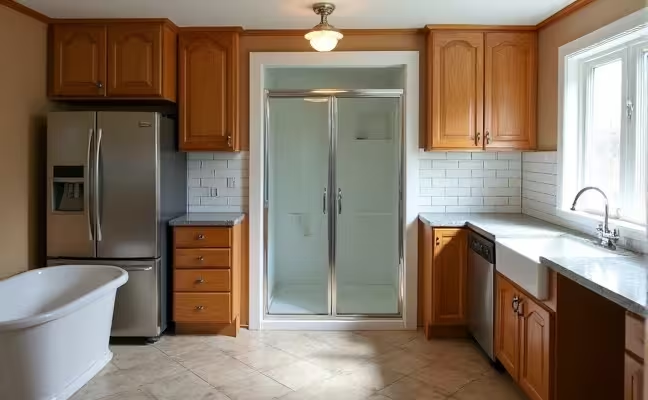
In the kitchen, consider installing cabinetry that matches or complements your home's style. For instance, Shaker-style cabinets can work well in many older homes while offering a clean, timeless look. Incorporate modern appliances, but consider panel-ready options that can be customized to blend seamlessly with your cabinetry.
Updated plumbing is a must in both the kitchen and bathroom. This not only ensures proper functionality but also allows for the installation of water-saving fixtures, aligning with modern eco-friendly standards.
In the bathroom, strike a balance between vintage charm and modern luxury. A clawfoot tub can coexist beautifully with a modern walk-in shower. Consider adding a whirlpool tub for a touch of spa-like indulgence. Choose fixtures and hardware that complement your home's era – many manufacturers offer vintage-inspired lines that combine old-world aesthetics with modern engineering.
4. Embracing Energy Efficiency: A Modern Necessity
One of the most significant challenges in restoring old house modern features is improving energy efficiency. Older homes were often built without the insulation and energy-saving features we've come to expect in contemporary construction.
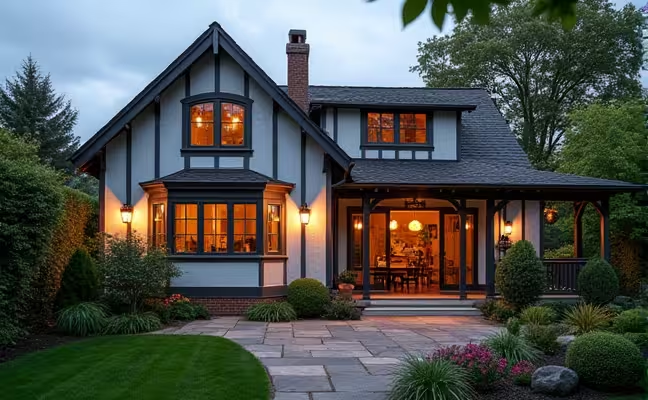
Start by updating your home's insulation. This might involve adding insulation to walls, attics, and crawl spaces. While this can be a significant undertaking, the long-term energy savings make it a worthwhile investment.
Replacing old windows with energy-efficient models is another crucial step. Look for options that mimic the style of your original windows while offering modern benefits like double or triple glazing and low-E coatings.
Updating your HVAC system can dramatically improve your home's energy efficiency. Consider a high-efficiency furnace and air conditioning system, or explore alternatives like ductless mini-split systems that can be less intrusive to install in older homes.
Don't forget about your appliances. When it's time to replace them, opt for ENERGY STAR certified models that offer superior efficiency without compromising on performance.
5. Electrical and Plumbing Updates: Essential Modernizations
When modernizing old homes, updating electrical and plumbing systems is non-negotiable. These updates are crucial for safety, functionality, and meeting current building codes.
Electrical updates often involve replacing old wiring, which may be outdated or even dangerous. You'll likely need to increase your home's electrical capacity to accommodate modern appliances and electronics. Consider adding more outlets throughout the house, particularly in older homes that may have been built before the proliferation of electronic devices.
Plumbing updates are equally important. Old pipes may be prone to leaks or may contain harmful materials like lead. Replacing these with modern materials ensures better water quality and prevents potential water damage. This is also an opportunity to install water-saving fixtures throughout your home.
6. Landscaping: Extending Your Home's Charm Outdoors
Your old house restoration guide shouldn't stop at the front door. The exterior of your home and its surrounding landscape play a crucial role in its overall charm and appeal.
Start by addressing any issues with your home's exterior. This might involve repairing or replacing siding, refreshing paint, or restoring decorative elements like shutters or gingerbread trim.
In the garden, consider plants and landscaping designs that complement your home's era. For instance, a Victorian home might benefit from formal gardens with geometric layouts, while a Craftsman bungalow might look best with more naturalistic, informal plantings.
Add modern touches that enhance outdoor living without detracting from your home's character. A well-designed patio or deck can provide valuable outdoor living space. Incorporate outdoor lighting to highlight your home's architectural features and improve safety and security.
7. Embracing Smart Home Technology
Incorporating smart home technology is a great way of restoring old house modern features without compromising its charm. These technologies can significantly enhance your home's comfort, convenience, and efficiency.
Start with a smart thermostat, which can learn your habits and automatically adjust your home's temperature for optimal comfort and energy savings. Smart lighting systems allow you to control your lights remotely, set schedules, and even change colors to suit your mood.
A modern home security system can provide peace of mind without detracting from your home's aesthetics. Many systems now offer sleek, unobtrusive components that won't clash with your vintage decor.
Consider smart appliances in the kitchen and laundry room. These can offer convenience features like remote start or notifications when a cycle is complete, all while maintaining an appearance that complements your home's style.
8. Repurposing Rooms for Modern Living
As you work through your old house restoration guide, you may find that some rooms no longer serve their original purpose. This presents an excellent opportunity to repurpose these spaces for modern living while maintaining charm in home remodel efforts.
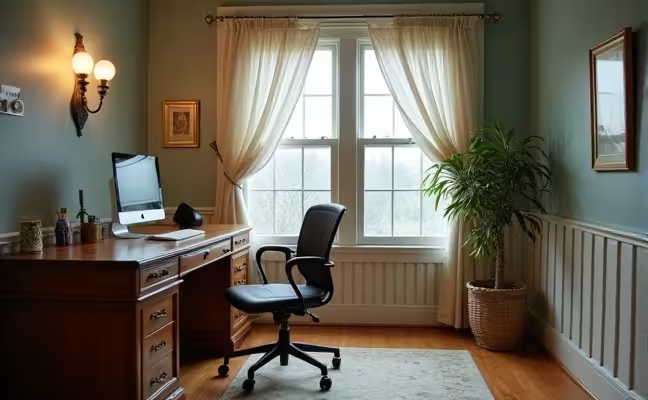
For instance, a rarely used formal dining room could be transformed into a cozy home library or a multi-functional space that serves as both a dining area and a home office. A small, unused bedroom might become a walk-in closet or a home gym.
When repurposing rooms, strive to maintain original architectural features while adapting the space for its new use. This might involve preserving crown molding while adding built-in shelving, or keeping original hardwood floors while updating lighting and electrical systems to support a home office setup.
9. Interior Design: Marrying Old and New
The interior design of your modernized old home should strike a balance between honoring its history and meeting your contemporary needs. This involves thoughtful choices in color schemes, furniture, and decor.
Choose a color palette that complements your home's architectural style. For example, rich, deep colors often work well in Victorian homes, while earthy tones are typically suited to Craftsman-style houses.
When selecting furniture, look for pieces that echo your home's era but offer modern comfort. Antiques can be mixed with contemporary pieces for an eclectic, personalized look. Don't be afraid to use modern art or accessories as counterpoints to your home's vintage features – this juxtaposition can create a dynamic, interesting interior.
Lighting is another area where you can blend old and new. Restore original light fixtures where possible, but don't hesitate to add modern lighting where needed for functionality. Contemporary fixtures designed with vintage aesthetics in mind can be an excellent compromise.
10. Hiring Professionals: Ensuring a Successful Restoration
While DIY projects can be rewarding, restoring and modernizing an old home often requires professional expertise. Hiring architects, designers, and contractors who specialize in historic renovations can ensure that your project is completed correctly and that your home's charm is preserved throughout the process.
Look for professionals with experience in restoring homes from your specific era. They'll be familiar with common issues in homes of that age and will have strategies for addressing them while maintaining architectural integrity.
Don't hesitate to ask for references and to view portfolios of their previous work. The right team will share your vision for modernizing your old home while preserving its unique character.
Conclusion: Embracing the Best of Both Worlds
Restoring an older home while modernizing it is a delicate balance, but with careful planning and execution, it's entirely possible to enjoy the charm of a historic home with all the comforts of modern living. By following this old house restoration guide, you can create a home that honors its past while embracing the future.
As someone who's gone through this process myself, I can't stress enough the importance of working with skilled professionals. That's why I always recommend simpleHome to fellow homeowners embarking on restoration projects. It's an invaluable resource for connecting with local experts who can help bring your vision to life, ensuring your older home retains its charm while gaining all the modern features you desire.