


Should You Replace Your Carpet with Hardwood Floors?
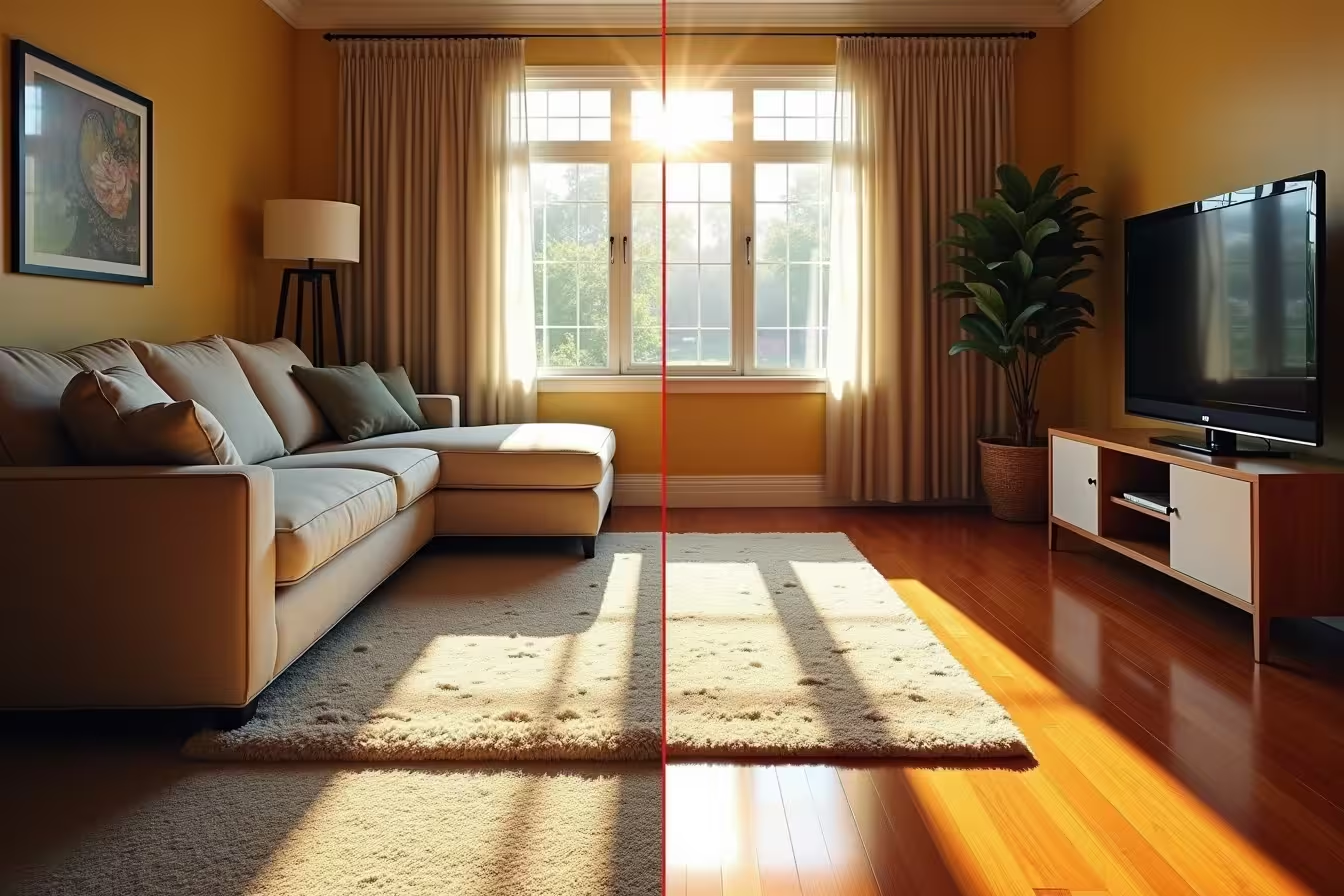
When it comes to flooring options, the debate between hardwood floors vs carpet cost and benefits has been ongoing for years. If you're considering a home renovation or simply want to update your living space, you might be wondering whether to stick with carpet or make the switch to hardwood. In this comprehensive guide, we'll explore the pros and cons of both options, helping you make an informed decision about whether replacing your carpet with hardwood floors is the right choice for your home.
The Cost Consideration: Hardwood Floors vs Carpet Cost
One of the first factors many homeowners consider when deciding between hardwood floors and carpet is the cost. It's true that the initial hardwood flooring pros and cons include a higher upfront cost compared to carpet. However, it's essential to look beyond the immediate expense and consider the long-term value.

While the cost of replacing carpet with hardwood might seem steep at first, hardwood floors are an investment that pays off in the long run. Hardwood floors are incredibly durable, often lasting for decades or even centuries when properly maintained. This longevity can result in significant savings for homeowners, as carpets typically need to be replaced every 10 to 15 years.
When comparing hardwood floors vs carpet cost over time, consider the following:
- Durability: Hardwood floors can last 100+ years with proper care
- Maintenance costs: Carpet requires regular deep cleaning and eventual replacement
- Property value: Hardwood floors often increase a home's resale value
Health and Allergy Considerations
One of the most significant benefits of hardwood floors is their positive impact on indoor air quality and overall health. This is particularly important for households with family members who suffer from allergies or asthma.

Carpets can trap allergens, dust mites, pet dander, and other particulates deep within their fibers. Even with regular vacuuming, these irritants can accumulate over time, potentially triggering allergic reactions or exacerbating respiratory issues. In contrast, hardwood floors do not harbor allergens and are much easier to clean thoroughly, making them a healthier choice for many families.
Aesthetic Appeal and Resale Value
When considering carpet replacement with hardwood, it's important to think about the aesthetic impact on your home. Hardwood floors have an undeniable charm and elegance that can enhance the visual appeal of any space. They offer a timeless beauty that complements a wide range of interior design styles, from traditional to contemporary.
Moreover, hardwood floors are known to add significant value to a property. Many potential homebuyers view hardwood flooring as a desirable feature, which can make your home more attractive on the real estate market. This added value is another factor to consider when weighing the cost of replacing carpet with hardwood against the long-term benefits.
Maintenance and Cleaning
One of the most appealing benefits of hardwood floors is their ease of maintenance and cleaning. Unlike carpets, which can be challenging to keep clean and may retain stains and odors, hardwood floors can be quickly and easily wiped clean. Spills and messes that would be disastrous on carpet are often no more than a minor inconvenience on hardwood.
Regular maintenance for hardwood floors typically involves:
- Sweeping or dust mopping to remove loose debris
- Occasional damp mopping with a wood-safe cleaner
- Periodic refinishing to maintain the wood's luster (every 7-10 years)
In contrast, carpets require frequent vacuuming, occasional deep cleaning, and are more prone to permanent staining. The time and effort saved on cleaning and maintenance is a significant factor when considering hardwood flooring pros and cons.
Comfort and Warmth
While hardwood floors offer many advantages, it's important to acknowledge that carpets do provide a level of comfort and warmth that some homeowners prefer. Carpets are softer underfoot and can help insulate a room, making it feel cozier, especially during colder months.
However, this doesn't mean that hardwood floors can't be comfortable. Many homeowners who choose hardwood flooring use area rugs strategically to add warmth and softness to specific areas. This approach combines the best of both worlds: the easy-to-clean, durable surface of hardwood with the cozy comfort of carpets where desired.
Environmental Impact
For environmentally conscious homeowners, the sustainability of flooring materials is an important consideration. When comparing hardwood floors vs carpet cost to the environment, hardwood often comes out ahead.
Hardwood floors are made from a natural, renewable resource. When sourced responsibly, hardwood can be an eco-friendly choice. Additionally, hardwood floors can be refinished rather than replaced when they start to show wear, further reducing their environmental impact over time.
On the other hand, most carpets are made from synthetic fibers derived from petroleum products and are treated with various chemicals during manufacturing. These carpets are not biodegradable and contribute to landfill waste when replaced.
Noise Reduction
One area where carpets have a clear advantage is in noise reduction. Carpets absorb sound, making them an excellent choice for homes with multiple levels or apartments where noise transfer can be an issue. Hardwood floors, by contrast, can amplify sounds and create echoes.
However, this doesn't mean that homes with hardwood floors are doomed to be noisy. There are several ways to mitigate noise issues with hardwood floors:
- Use area rugs in high-traffic areas
- Install underlayment materials during flooring installation
- Use furniture pads to reduce scraping sounds
- Consider acoustic panels for walls in particularly echo-prone rooms
Versatility in Design
When it comes to versatility, hardwood floors offer unparalleled options for customization and style adaptation over time.
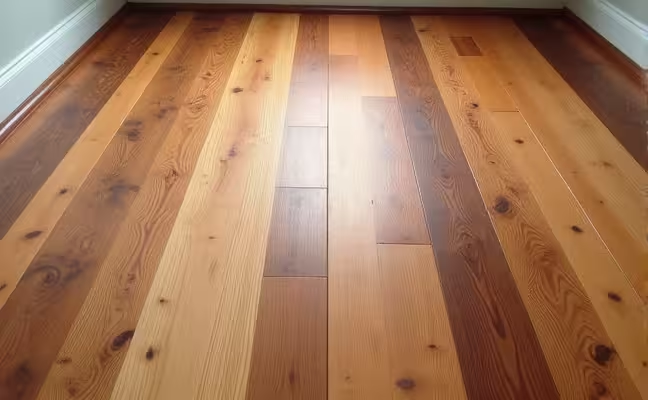
Hardwood floors can be:
- Stained in a wide variety of colors to match your décor
- Refinished to change their appearance as your tastes evolve
- Sanded and polished for a glossy finish
- Left natural for a rustic, organic look
This versatility allows homeowners to update their space without the need for complete floor replacement. Carpets, while available in many colors and textures, offer less flexibility once installed. Changing the look of a carpeted room often requires complete replacement, which can be costly and time-consuming.
Making the Decision: Carpet Replacement with Hardwood
Deciding whether to replace your carpet with hardwood floors is a personal choice that depends on various factors, including your budget, lifestyle, and personal preferences. Here's a quick summary of the key points to consider:
- Cost: Higher upfront cost for hardwood, but potentially lower long-term expenses
- Health: Hardwood floors are better for allergy sufferers and easier to keep clean
- Aesthetics: Hardwood offers timeless appeal and can increase property value
- Maintenance: Hardwood is easier to clean and maintain over time
- Comfort: Carpets are softer, but hardwood can be paired with area rugs for comfort
- Environmental Impact: Hardwood is generally more sustainable and eco-friendly
- Noise: Carpets are better for sound absorption, but there are ways to reduce noise with hardwood
- Versatility: Hardwood offers more options for changing your home's look over time
Ultimately, the decision to replace carpet with hardwood should be based on a careful consideration of these factors in relation to your specific needs and preferences.
Conclusion
While the hardwood floors vs carpet cost debate may continue, it's clear that hardwood floors offer numerous benefits that make them an attractive option for many homeowners. From their durability and ease of maintenance to their positive impact on indoor air quality and property value, hardwood floors present a compelling case for those considering a flooring upgrade.
If you're still unsure about whether to make the switch from carpet to hardwood, it might be helpful to consult with a flooring professional. As someone who's gone through this process myself, I can attest to the value of expert advice. That's why I often recommend simpleHome to friends and family. It's a great resource that connects homeowners with local professionals who can provide personalized guidance on flooring options, installation processes, and costs. Whether you decide to stick with carpet or make the leap to hardwood, having the right information and support can make all the difference in creating a home you love.