


How to Fix Uneven Floors in Older Homes
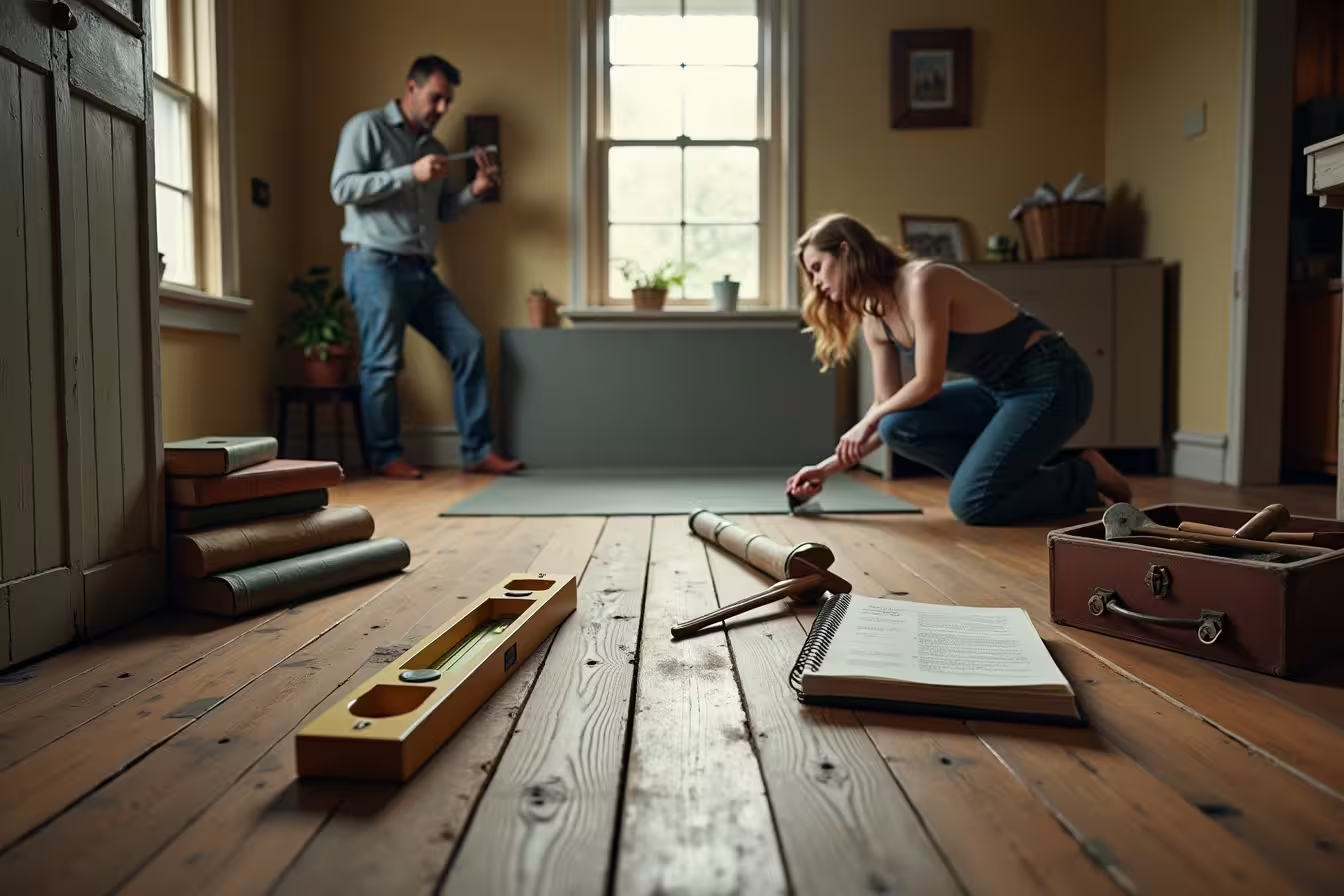
Uneven floors are a common issue in older homes, often causing frustration and concern for homeowners. If you've noticed that your floors are no longer level, you're not alone. This comprehensive guide will walk you through the process of fixing uneven floors in old houses, providing you with valuable insights and practical solutions for uneven floors. Whether you're considering a DIY uneven floor repair or seeking professional help, this article will equip you with the knowledge you need to tackle this challenging home improvement project.
1. Understanding the Cause of Uneven Floors
Before diving into the uneven floor repair process, it's crucial to understand what's causing the problem. Uneven floors in older homes can result from various factors, and identifying the root cause is the first step towards finding an effective solution.
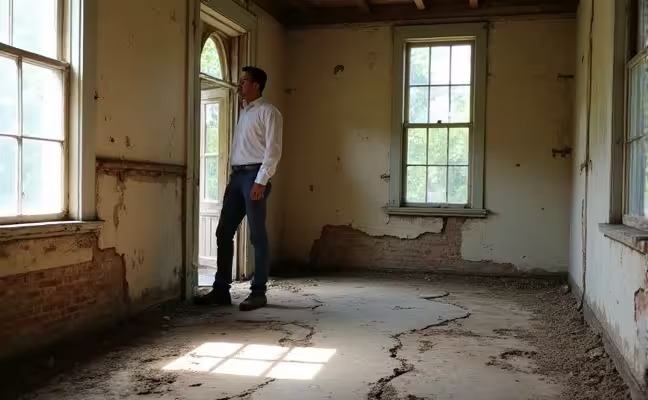
Common causes of uneven floors include:
- Soil settlement beneath the house
- Foundation issues
- Water damage
- Natural aging of the house structure
- Poorly installed or deteriorating floor joists
- Termite damage or wood rot
Each of these causes requires a different approach when it comes to fixing uneven floors in old houses. For instance, if soil settlement is the culprit, you might need to address foundation issues. On the other hand, if water damage is the cause, you'll need to fix the source of the moisture before leveling the floor.
2. Inspecting the Foundation
In many cases, uneven floors are a symptom of foundation problems. As such, a thorough foundation inspection is a crucial step in the uneven floor repair process. Here's what to look for:
- Cracks in the foundation walls
- Doors that won't close properly
- Windows that stick
- Gaps between walls and floors or ceilings
- Sloping or uneven floors
If you notice any of these signs, it's likely that your foundation needs attention. In this case, it's best to consult with a professional foundation repair specialist. They can assess the extent of the damage and recommend appropriate solutions for uneven floors caused by foundation issues.
3. Leveling Techniques for Uneven Floors
Once you've identified the cause of your uneven floors, it's time to explore leveling techniques. The method you choose will depend on the severity of the unevenness and the underlying cause. Here are some common techniques used in fixing uneven floors in old houses:
3.1. Self-Leveling Compound
For minor dips and slopes, a self-leveling compound can be an effective solution. This method is particularly useful for concrete floors or when preparing a subfloor for new flooring installation.
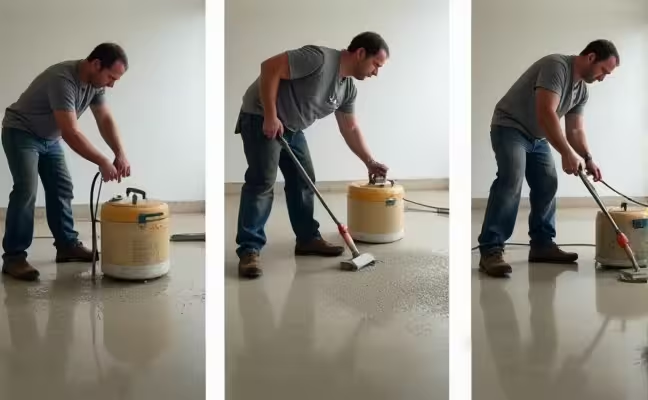
To use a self-leveling compound:
- Clean the floor thoroughly and repair any cracks
- Apply a primer to ensure proper adhesion
- Mix the self-leveling compound according to the manufacturer's instructions
- Pour the mixture onto the floor, starting at the lowest point
- Use a spreader to distribute the compound evenly
- Allow the compound to dry completely before walking on it or installing new flooring
While this method can be a DIY uneven floor repair for those with some experience, it's often best to hire a professional to ensure proper application.
3.2. Jacking and Supporting Floor Joists
For more severe cases of unevenness, particularly in wooden floors, jacking up the floor joists and installing additional supports may be necessary. This process involves:
- Identifying the sagging areas of the floor
- Placing hydraulic jacks beneath the floor joists
- Slowly raising the joists to level the floor
- Installing new support beams or posts to maintain the level
- Gradually removing the jacks to transfer the weight to the new supports
This method of how to level a floor in an old house is more complex and typically requires professional expertise to ensure it's done safely and effectively.
4. Repairing Joists and Beams
In some cases, the unevenness in your floors may be due to damaged or deteriorated joists and beams. Repairing or replacing these structural elements can be an effective solution for uneven floors. Here's what this process might involve:
- Inspect the joists and beams for signs of damage, such as rot, cracks, or insect infestation
- For minor damage, reinforce the existing joists with sister joists (additional joists installed alongside the damaged ones)
- For severe damage, remove and replace the affected joists or beams
- Ensure proper support and connection of the new or reinforced joists to the rest of the structure
- Address any underlying issues that caused the damage, such as moisture problems or pest infestations
This type of repair is crucial not just for fixing uneven floors in old houses, but also for maintaining the overall structural integrity of your home.
5. Using Plywood or Shims for Floor Leveling
Another method for how to level a floor in an old house involves using plywood or shims. This technique is particularly useful for wooden floors with minor unevenness. Here's how it works:
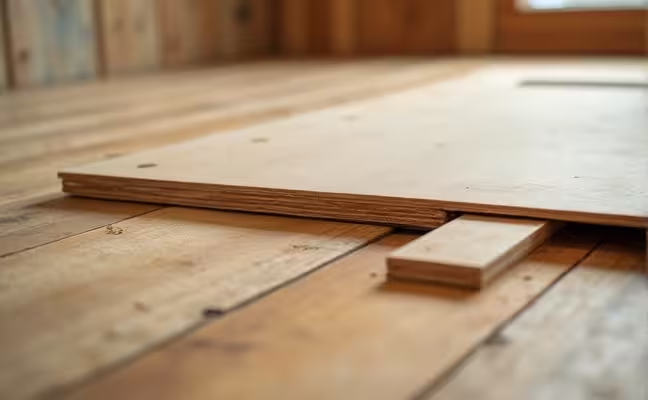
- Identify the low spots in the floor
- Cut plywood or wooden shims to fit these areas
- Secure the plywood or shims in place using adhesive and screws
- Sand down any high spots to create a smooth transition
- Check the level of the floor and make adjustments as needed
This DIY uneven floor repair method can be effective for minor unevenness, but it may not be suitable for more significant floor leveling projects.
6. Professional Assessment and Repair
While some uneven floor repairs can be DIY projects, many situations call for professional expertise. A professional floor leveling service can:
- Accurately assess the extent of the problem
- Identify underlying issues that may not be immediately apparent
- Recommend the most effective solutions for your specific situation
- Implement repairs using specialized equipment and techniques
- Ensure the repair meets local building codes and standards
When considering professional help for fixing uneven floors in old houses, be sure to choose a reputable contractor with experience in dealing with older homes.
7. Preventive Measures and Maintenance
Once you've addressed your uneven floor issues, it's important to take steps to prevent future problems. Regular maintenance can help you catch and address potential issues before they lead to uneven floors. Here are some preventive measures to consider:
- Conduct regular inspections of your foundation and floor structure
- Address any water or moisture issues promptly to prevent damage to floor joists and beams
- Maintain proper drainage around your home's foundation
- Monitor for signs of pest infestation, particularly termites
- Keep your gutters clean and in good repair to prevent water damage
- Address any small issues, such as minor cracks or slight unevenness, before they become major problems
By staying proactive with maintenance, you can extend the life of your floor repairs and maintain a level, stable floor for years to come.
Conclusion
Fixing uneven floors in old houses can be a challenging but rewarding home improvement project. Whether you're dealing with minor unevenness or significant structural issues, understanding the cause and exploring appropriate solutions is key. From DIY uneven floor repair techniques like using self-leveling compounds or shims, to more complex solutions involving joist repair or foundation work, there are many ways to address this common issue in older homes.
Remember, while some uneven floor repairs can be DIY projects, many situations benefit from professional expertise. Don't hesitate to consult with a professional if you're unsure about the best course of action for your home.
As a homeowner who's tackled uneven floor repairs myself, I know how daunting this project can seem. That's why I'm excited about simpleHome, a platform that connects homeowners like us with local professionals who specialize in these types of repairs. It's a great resource when you need expert help with fixing uneven floors or any other home improvement project.
With the right approach and a bit of patience, you can restore your old home's floors to their former glory, ensuring a safe, comfortable, and beautiful living space for years to come.