


When to DIY and When to Hire a Pro for Home Repairs

As a homeowner, you've probably faced the dilemma of whether to tackle a home repair project yourself or call in a professional. DIY home repairs can be rewarding and cost-effective, but there are times when hiring professionals for home repairs is the smarter choice. In this comprehensive guide, we'll explore the factors to consider when deciding between DIY and professional home repairs, helping you make informed decisions that save time, money, and potential headaches.
Understanding the Nature of the Task
The first step in deciding whether to DIY or hire a pro is to assess the complexity of the task at hand. Some home repair projects are relatively simple and don't require professional expertise. For instance, painting a room, tiling a floor, or tackling basic gardening tasks can often be accomplished by following online tutorials or seeking advice from DIY stores.

As you can see in the image above, painting a room is a classic example of a DIY project that many homeowners can handle with confidence. It's a great way to refresh your living space and can be an enjoyable weekend project. However, it's crucial to recognize when a task goes beyond your skill level or requires specialized knowledge.
When it comes to electrical work, plumbing, or structural changes, it's generally safer and more practical to hire a professional. These areas require specific training and expertise to ensure the work is done correctly and safely. Professional home repair services come with the added benefit of guarantees, giving you peace of mind that the job will be completed to a high standard.
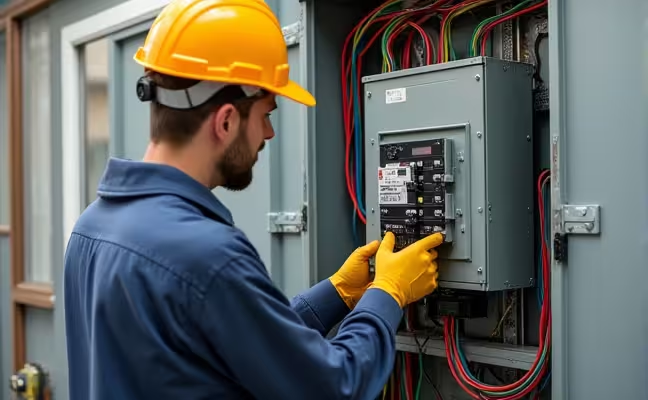
The image above illustrates the complexity of electrical work, highlighting why it's one of those tasks best left to the professionals. The intricate wiring and potential safety hazards make it a job that requires expert knowledge and experience.
Valuing Your Time
When considering DIY home repairs, it's essential to factor in the value of your time. While DIY projects can be cost-effective in terms of labor, they can be incredibly time-consuming, especially for beginners. The time you'll spend learning the task, purchasing materials, and actually doing the work might outweigh the cost of hiring a professional.
Professionals bring efficiency to the table. They can complete tasks much more quickly due to their skills, experience, and specialized tools. If your time is valuable – whether due to work commitments, family responsibilities, or other priorities – it might be more sensible to delegate the task to a pro.
For example, retiling a bathroom floor might take a professional a day or two, while it could take a DIY enthusiast a week or more to achieve the same result. When you factor in the potential for mistakes and do-overs, the time investment for DIY can become significant.
Evaluating the Risks
Some home repair tasks come with inherent risks that go beyond just time and money. There are projects that pose significant risks of injury or property damage. Working on a roof, removing a large tree, or dealing with toxic substances like mold are examples of high-risk tasks that are best left to professionals.
Professional contractors have the right equipment, safety gear, and know-how to minimize these risks. They're also typically insured, which means you're protected if something goes wrong during the repair process. When it comes to tasks that involve heights, heavy machinery, or potentially hazardous materials, the cost of hiring a professional is well worth the peace of mind and safety it provides.
Considering the Cost of Tools and Materials
Another crucial factor in the DIY vs. professional debate is the cost of tools and materials. For some home repairs, you may need to purchase expensive specialized tools that you might only use once. The cost of these tools, combined with your time and effort, could end up being more than what you'd pay a professional.
Professionals already have all the necessary tools and equipment for the job. Moreover, they often have access to materials at trade prices, which can result in cost savings for you. When you're calculating the potential savings of a DIY project, be sure to factor in all these costs to get a true comparison.
Impact on Home Resale Value
If you're considering selling your house in the near future, the quality of home repairs becomes even more critical. Potential buyers and home inspectors have a keen eye for detail and can often spot amateur workmanship.
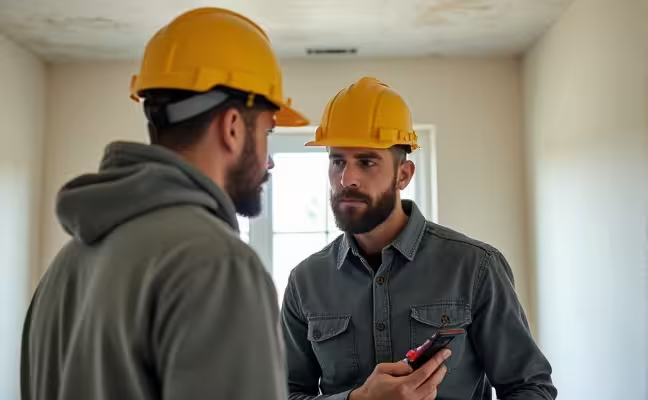
As illustrated in the image above, home inspections can be thorough, and poorly executed DIY repairs might be flagged as issues. Hiring a professional ensures that the job is done right and can potentially increase the resale value of your home. Quality workmanship can be a significant selling point and might even allow you to command a higher price for your property.
Legal Implications and Building Codes
It's crucial to be aware that certain types of home repair work, such as electrical wiring or structural modifications, require permits and must meet local building codes. Failure to comply with these regulations can lead to hefty fines and complications when you try to sell your home.
Professional contractors are well-versed in these legal requirements. They know which permits are needed for different types of work and ensure that all repairs and modifications meet the necessary building codes. This knowledge can save you from potential legal headaches down the line and ensure that your home remains up to code.
The Learning Curve Consideration
While it might be tempting to tackle a new project as a learning experience, it's important to realistically assess whether you have the time and patience to learn a new skill. Learning how to do home repairs can be rewarding, but it's not always practical, especially for complex or time-sensitive projects.
If you're interested in expanding your DIY skills, it's best to start with smaller, less critical projects and work your way up. This approach allows you to build confidence and expertise gradually without risking major damage to your home or compromising your safety.
Balancing Stress and Satisfaction
DIY projects can be a source of both stress and satisfaction. On one hand, the process of learning a new skill and completing a project with your own hands can be incredibly rewarding. There's a sense of accomplishment that comes with successfully finishing a DIY home repair.
On the other hand, DIY projects can also be stressful, especially if things don't go as planned. Unexpected complications, mistakes, or the sheer complexity of a task can turn what was supposed to be a fun weekend project into a stressful ordeal.
Consider your personality and stress tolerance when deciding whether to DIY or hire a pro. If you enjoy hands-on work and can handle the potential setbacks, DIY might be for you. But if the thought of a potential mess and complications stresses you out, it might be better to hire a professional and save yourself the worry.
Dealing with Emergency Repairs
When it comes to emergency repairs, such as a burst pipe or a malfunctioning heating system in the middle of winter, it's crucial to call a professional immediately. These situations require prompt, expert attention to prevent further damage to your home.
Professionals have the skills and equipment to respond quickly to emergencies. They can assess the situation rapidly and implement effective solutions. In contrast, attempting DIY repairs in emergency situations could potentially worsen the problem, leading to more extensive damage and higher repair costs in the long run.
Future Maintenance Considerations
When deciding between DIY and professional home repairs, it's important to think about future maintenance. If your repair or modification will require ongoing upkeep, consider whether you're up to the task of regular maintenance.
Professional contractors can provide valuable advice on maintaining your repairs or improvements. They might even be able to set up a maintenance schedule for you, ensuring that your home remains in top condition. This ongoing support can be particularly valuable for complex systems like HVAC or major home improvements.
Cost Comparison: DIY vs Professional Home Repairs
When it comes to cost comparison DIY vs professional home repairs, it's not always as straightforward as it might seem. While DIY often appears cheaper on the surface, there are hidden costs to consider:
- Tools and equipment purchases
- Potential mistakes and re-dos
- Your time investment
- Potential for future repairs if the job isn't done correctly
On the other hand, professional services might seem more expensive upfront, but they often include:
- Guaranteed quality of work
- Faster completion times
- Access to professional-grade tools and materials
- Insurance and liability coverage
It's important to weigh these factors carefully when making your decision. Sometimes, what seems like a more expensive option initially can save you money in the long run.
Home Repair Tips for DIY Enthusiasts
If you do decide to tackle some DIY home repairs, here are some valuable tips to keep in mind:
- Start small and build your skills gradually
- Always prioritize safety – use proper protective equipment
- Research thoroughly before starting any project
- Invest in quality tools for better results
- Know your limits and don't hesitate to call a pro if you're unsure
- Keep detailed records of your repairs for future reference
- Follow manufacturer instructions carefully when installing or repairing appliances
- Stay up-to-date with local building codes and regulations
Conclusion: Making the Right Choice for Your Home
Deciding when to DIY and when to hire a pro for home repairs is a balancing act. It requires careful consideration of your skills, the complexity of the task, time constraints, safety concerns, and potential long-term impacts on your home's value.
While DIY home repairs can be rewarding and cost-effective for simpler tasks, there are many situations where hiring professionals for home repairs is the wiser choice. Remember, there's no shame in recognizing when a job is beyond your capabilities – in fact, it's a sign of responsible homeownership.
As someone who's navigated these decisions myself, I've found that having a reliable resource for finding qualified professionals is invaluable. That's why I use simpleHome, a platform that connects homeowners with local professionals for all kinds of home repair and improvement projects. It takes the guesswork out of finding a trustworthy contractor and gives me peace of mind when I decide to leave a job to the experts.
Whether you choose to DIY or hire a pro, the most important thing is to make an informed decision that ensures the safety, quality, and longevity of your home repairs. Happy repairing!