


5 Ways to Reduce Noise in a Busy Household

In today's fast-paced world, managing noise in a busy household can be a challenging task. Whether you're working from home, trying to relax after a long day, or simply seeking a moment of peace, excessive noise can be a major source of stress and frustration. Fortunately, there are several effective ways to minimize noise at home and create a more tranquil living environment. In this article, we'll explore five practical tips for reducing household noise and transforming your home into a quieter, more peaceful sanctuary.
1. Creating Designated Quiet Zones
One of the most effective ways to reduce noise in a busy household is by establishing designated quiet zones. These areas serve as sanctuaries where family members can retreat to escape the hustle and bustle of daily life. Creating quiet zones doesn't necessarily require a complete home renovation; it can be as simple as designating a specific room or area for quiet activities.
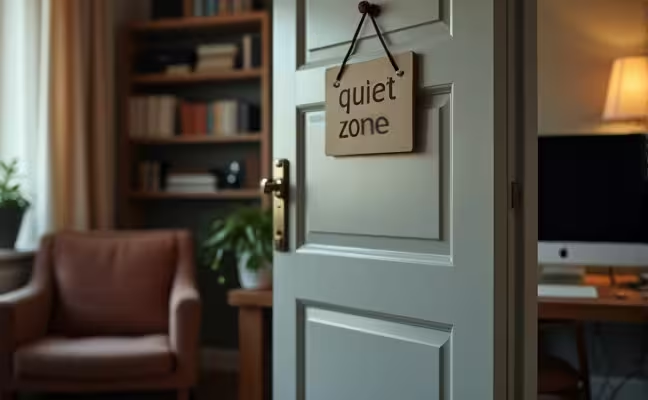
To set up an effective quiet zone, consider the following tips:
- Choose a room or area that's naturally quieter, such as a spare bedroom or a corner of the living room
- Remove or limit electronic devices that produce noise, such as televisions or radios
- Furnish the space with comfortable seating and soft lighting to create a calming atmosphere
- Add noise-absorbing elements like plush rugs, curtains, or acoustic panels
- Establish clear rules for the quiet zone, such as no loud conversations or phone calls
By implementing these noise reduction tips at home, you can create a dedicated space for relaxation, work, or study. This can be particularly beneficial for those who work or study from home, providing a much-needed respite from the noise and distractions of a busy household.
2. Soundproofing the Home
While creating quiet zones is an excellent start, soundproofing your home can take noise reduction to the next level. Soundproofing involves using various materials and techniques to block or absorb sound waves, significantly reducing the amount of noise that travels between rooms or from outside sources.

Here are some effective soundproofing methods for reducing household noise:
- Install soundproofing materials in walls, floors, and ceilings
- Use soundproofing curtains or heavy drapes on windows
- Add thick rugs or carpets to absorb sound
- Seal gaps around doors and windows to prevent sound leakage
- Upgrade to double-glazed windows to block external noise
- Use weatherstripping on doors to create a tighter seal
While soundproofing may require a larger investment compared to other noise reduction techniques, it can make a significant difference in creating a quieter household. The benefits extend beyond just noise reduction; soundproofing can also improve energy efficiency and increase privacy within your home.
3. Using Noise-Cancelling Devices
In addition to physical modifications to your home, technology can play a crucial role in managing noise in a busy household. Noise-cancelling devices offer a convenient and effective way to minimize unwanted sounds and create a more peaceful environment.

Here are some popular noise-cancelling devices and techniques for reducing household noise:
- Noise-cancelling headphones: These headphones use advanced technology to neutralize ambient noise, allowing you to focus on your work or enjoy music without distraction.
- White noise machines: These devices produce a consistent, soothing sound that can mask other noises and promote relaxation.
- Sound masking systems: These systems emit a low-level background noise that helps to cover up unwanted sounds and improve overall acoustic comfort.
- Noise-cancelling apps: There are numerous smartphone apps that offer a variety of calming sounds and white noise options to help block out distractions.
By incorporating these devices into your daily routine, you can create personal bubbles of quiet even in the midst of a noisy household. This can be particularly helpful for those who need to concentrate on work or studies, or for light sleepers who struggle with nighttime noises.
4. Encouraging Respectful Communication
While physical solutions and technological devices can certainly help in reducing noise, one of the most effective ways to minimize noise at home is by addressing the source: the people within the household. Encouraging respectful communication and establishing a culture of consideration can go a long way in creating a quieter, more harmonious living environment.
Here are some strategies for promoting respectful communication and reducing noise levels:
- Set clear expectations: Establish household rules regarding noise levels, especially during specific times of day (e.g., early mornings, late evenings, or during work hours).
- Lead by example: Model the behavior you want to see by speaking in a calm, measured tone and being mindful of your own noise levels.
- Encourage the use of "indoor voices": Remind family members, especially children, to use quieter voices when inside the house.
- Implement a system for addressing noise concerns: Create a non-confrontational way for household members to express when noise levels are becoming disruptive.
- Practice active listening: Encourage family members to truly listen to each other, which can reduce the need for repetition and raised voices.
- Use visual cues: Consider using visual signals (like a colored light or sign) to indicate when quiet time is needed.
By fostering an environment of mutual respect and consideration, you can significantly reduce unnecessary noise and create a more peaceful atmosphere for everyone in the household.
5. Regular Maintenance of Household Appliances
While we often focus on human-generated noise, it's important not to overlook another significant source of household noise: appliances and mechanical systems. Regular maintenance of these items can play a crucial role in reducing overall noise levels and creating a quieter home environment.
Here are some tips for maintaining appliances and minimizing their noise output:
- Schedule regular check-ups: Have a professional inspect and service major appliances like HVAC systems, washers, dryers, and dishwashers at least once a year.
- Fix loose parts promptly: Rattling, buzzing, or humming noises often indicate loose components that need tightening or replacing.
- Lubricate moving parts: Proper lubrication can significantly reduce noise from fans, motors, and other mechanical components.
- Clean or replace filters: Clogged filters can cause appliances to work harder and louder. Regular cleaning or replacement can help maintain optimal performance and reduce noise.
- Consider upgrading to quieter models: When it's time to replace old appliances, look for energy-efficient models that are designed to operate quietly.
- Use anti-vibration pads: Place these under washing machines, dryers, and other appliances to reduce vibration and noise transmission.
By implementing these maintenance practices, you can not only reduce noise but also extend the lifespan of your appliances and improve their energy efficiency.
Conclusion
Creating a quieter household is not just about reducing decibel levels; it's about fostering a more peaceful, productive, and harmonious living environment. By implementing these five strategies - creating designated quiet zones, soundproofing your home, using noise-cancelling devices, encouraging respectful communication, and maintaining household appliances - you can significantly reduce noise levels and improve the overall quality of life for everyone in your household.
Remember, reducing household noise is an ongoing process that requires commitment and cooperation from all family members. It may take some time to find the right combination of strategies that work for your specific situation, but the benefits of a quieter home are well worth the effort.
As someone who has personally implemented these tips for a quieter household, I can attest to their effectiveness. And if you're looking for professional help with soundproofing or home modifications, I highly recommend checking out simpleHome. It's a great platform that connects homeowners like us with local professionals who can help turn your noisy house into a peaceful haven. Here's to quieter, more tranquil homes for all of us!