


Is Radiant Floor Heating Worth the Investment?

When it comes to home heating solutions, radiant floor heating has been gaining popularity in recent years. But is it really worth the investment? In this comprehensive guide, we'll explore the benefits of radiant floor heating, its installation process, and how it compares to traditional heating methods. By the end, you'll have a clear understanding of whether radiant floor heating is the right choice for your home.
Understanding Radiant Floor Heating
Radiant floor heating is a method of heating your home by installing heating elements beneath your floor. These elements, typically electric cables or water-filled pipes, warm the floor surface, which then radiates heat upward into the room. This creates a comfortable, even warmth throughout your living space.
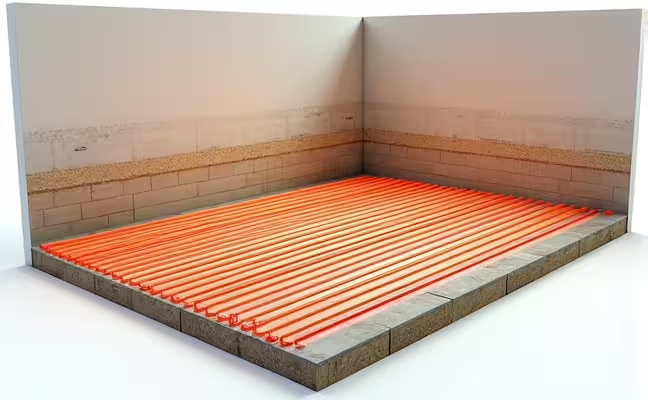
As you can see from the illustration above, radiant floor heating can be installed under various types of flooring, making it a versatile option for any home. But what makes it stand out from traditional heating methods? Let's dive into the benefits of radiant floor heating to find out.
The Benefits of Radiant Floor Heating
1. High Energy Efficiency
One of the most significant advantages of radiant floor heating is its incredible energy efficiency. Unlike traditional forced-air systems that heat the air in a room, radiant floor heating warms objects directly. This direct transfer of heat means less energy is wasted, potentially leading to lower heating bills.
The energy efficiency of radiant floor heating is particularly noteworthy when compared to traditional heating methods. By heating objects rather than air, radiant systems can maintain comfort at lower thermostat settings, further reducing energy consumption.
2. Comfortable and Consistent Heat
Radiant floor heating provides a level of comfort that's hard to match with traditional heating systems. The heat is evenly distributed across your floors, eliminating cold spots and creating a consistent temperature throughout your living space. This uniform warmth contributes to a more comfortable and cozy home environment.

As you can see in the image above, radiant floor heating allows for a clutter-free living space without visible heating equipment, while providing comfortable and consistent warmth for the whole family.
3. Improved Indoor Air Quality
Traditional forced-air heating systems can circulate dust, allergens, and other airborne particles throughout your home. In contrast, radiant floor heating doesn't rely on air circulation, which can lead to improved indoor air quality. This makes radiant floor heating an excellent choice for those with allergies or respiratory issues.
4. Silent Operation
One of the often-overlooked benefits of radiant floor heating is its silent operation. Unlike forced-air systems that can be noisy when turning on and off, radiant floor heating works silently, contributing to a more peaceful and serene home environment.
Radiant Floor Heating Installation: What to Expect
The radiant floor heating installation process can vary depending on whether you're retrofitting an existing home or installing it in a new construction. Here's a general overview of what you can expect:
- Site assessment and planning
- Removal of existing flooring (if retrofitting)
- Installation of insulation
- Laying of heating elements (electric cables or water pipes)
- Installation of temperature sensors
- Covering with a layer of concrete or other suitable material
- Installation of your chosen floor covering
While the radiant floor heating installation process may seem complex, it's relatively straightforward when handled by experienced professionals. Many homeowners find that the benefits far outweigh the initial installation effort.
Radiant Floor Heating vs Traditional Heating: A Comparison
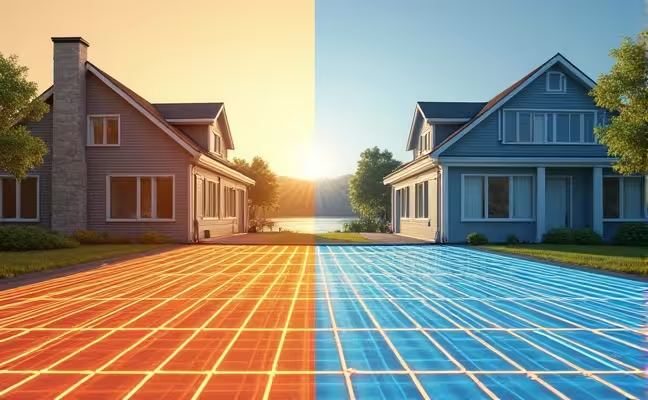
To truly understand the value of radiant floor heating, it's essential to compare it with traditional heating methods. Let's break down the key differences:
Energy Efficiency
As mentioned earlier, the energy efficiency of radiant floor heating is one of its standout features. Traditional forced-air systems can lose up to 30% of their heat through ductwork, while radiant systems deliver heat directly where it's needed. This efficiency can lead to significant energy savings over time.
Comfort and Consistency
Radiant floor heating provides even, consistent warmth from the ground up. Traditional systems, on the other hand, can create pockets of warm and cool air as heat rises and falls. The result? With radiant heating, you're more likely to experience consistent comfort throughout your home.
Air Quality
Traditional forced-air systems can circulate dust and allergens, potentially exacerbating respiratory issues. Radiant floor heating doesn't disturb the air, contributing to better indoor air quality.
Noise Level
The silent operation of radiant floor heating is a significant advantage over the occasional noise produced by forced-air systems.
Maintenance
Radiant floor heating systems typically require less maintenance than traditional heating systems. There are no filters to change or ducts to clean, which can save time and money in the long run.
Understanding Radiant Floor Heating Cost
When considering radiant floor heating, it's important to understand the associated costs. The initial radiant floor heating cost can be higher than traditional heating systems, but it's essential to consider the long-term savings and benefits.
The cost of installing radiant floor heating can vary widely depending on factors such as:
- The size of the area to be heated
- The type of system (electric or hydronic)
- Whether it's a new construction or retrofit
- The type of flooring being installed over the system
While the upfront radiant floor heating cost might be higher, many homeowners find that the energy savings, increased comfort, and potential increase in home value make it a worthwhile investment.
Environmental Impact: The Eco-Friendly Choice
In today's world, the environmental impact of our choices is more important than ever. Radiant floor heating stands out as an eco-friendly heating option for several reasons:
- Reduced energy consumption due to high efficiency
- Compatibility with renewable energy sources like solar or geothermal
- No reliance on fossil fuels (when used with clean electricity)
- Potential for lower carbon footprint compared to traditional heating methods
By choosing radiant floor heating, you're not just investing in your comfort, but also in a more sustainable future.
Aesthetic and Design Benefits
Beyond its functional benefits, radiant floor heating also offers aesthetic advantages. Without the need for radiators, vents, or baseboards, you have more freedom in your interior design. This can be particularly beneficial in smaller spaces or in rooms where you want to maximize wall space for furniture or artwork.
Safety Considerations
Safety is always a top priority in home design, and radiant floor heating excels in this area. Unlike traditional radiators that can have hot surfaces or sharp edges, radiant floor heating is completely hidden and safe to touch. This makes it an excellent choice for homes with young children or pets.
Is Radiant Floor Heating Worth the Investment?
After exploring the numerous benefits of radiant floor heating, from its energy efficiency to its comfort and environmental advantages, it's clear that for many homeowners, the answer is a resounding yes. While the initial radiant floor heating cost may be higher than traditional systems, the long-term benefits in terms of energy savings, comfort, and potential increase in home value make it a worthwhile investment for many.
However, the decision ultimately depends on your specific circumstances, including your budget, your home's construction, and your personal preferences. It's always a good idea to consult with heating professionals to get a detailed assessment of your home and a personalized quote.
As someone who's passionate about home improvement, I've seen firsthand how radiant floor heating can transform a living space. If you're considering this upgrade for your home, I recommend using simpleHome to connect with local professionals who can provide expert advice and quality installation services. With the right guidance, you can make an informed decision about whether radiant floor heating is the right choice for your home.