


How to Protect Your Home from Severe Weather
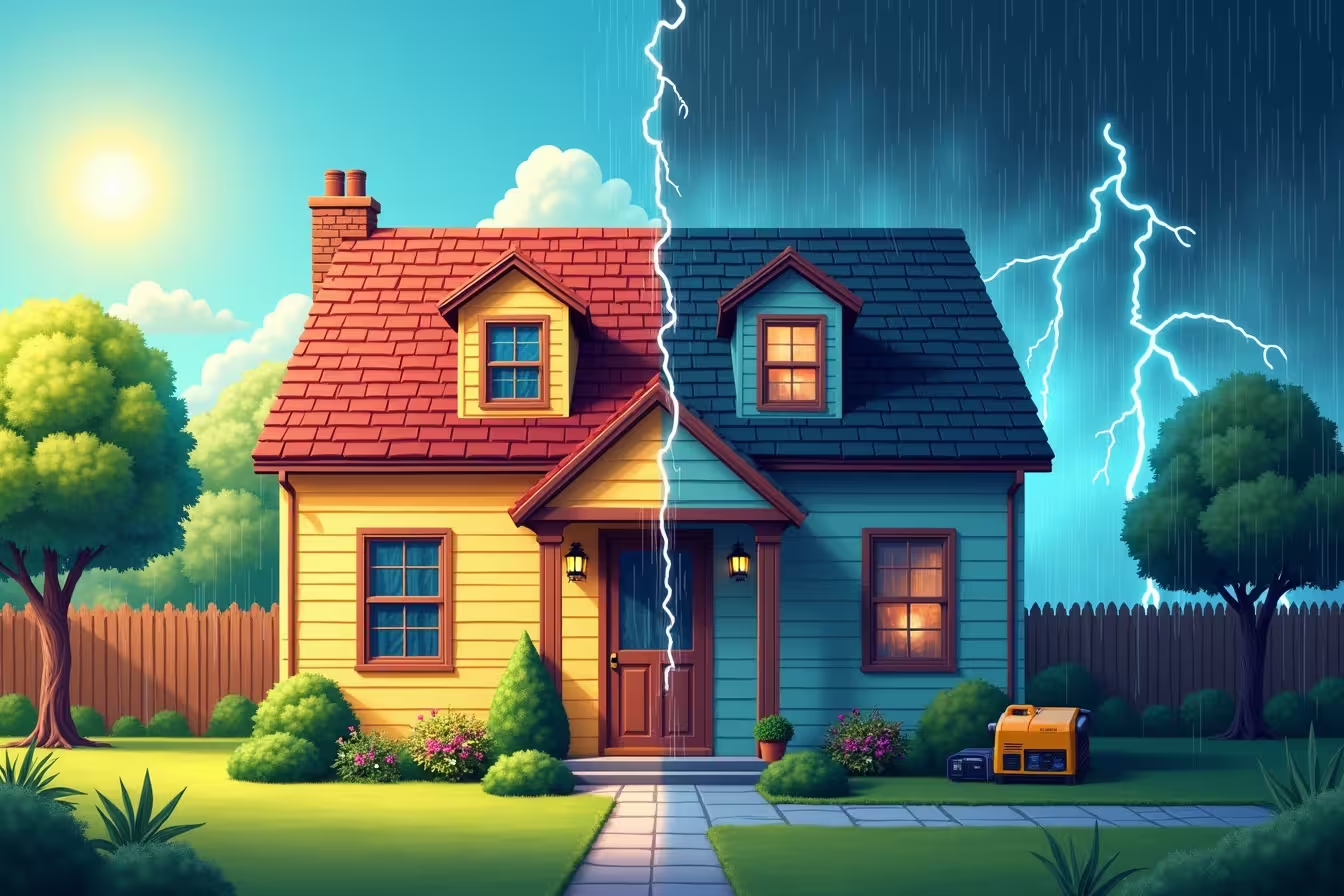
When it comes to safeguarding your home from the unpredictable forces of nature, being proactive is key. Severe weather can strike at any time, potentially causing significant damage to your property. In this comprehensive guide, we'll explore various strategies for severe weather home protection, offering valuable home weatherproofing tips to keep your sanctuary safe and secure. Let's dive into the essential steps you can take to protect your home from extreme weather.
1. Conduct a Thorough Home Inspection
The first step in protecting your home from severe weather is to understand its current condition. Regular home inspections are crucial for identifying potential vulnerabilities that could lead to weather damage. These inspections should be comprehensive, covering every aspect of your home's structure.
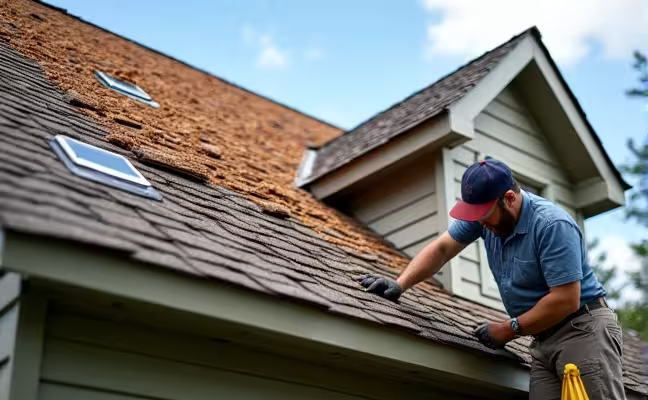
During a home inspection, pay close attention to the following areas:
- Roof: Look for loose or missing shingles, damaged flashing, and signs of wear and tear.
- Foundation: Check for cracks or signs of settling, which could worsen during severe weather.
- Walls: Inspect both interior and exterior walls for cracks, peeling paint, or water stains.
- Windows and doors: Ensure they're properly sealed and in good condition.
- Attic: Look for signs of water infiltration or inadequate insulation.
- Basement or crawl space: Check for moisture issues or signs of flooding.
By identifying these potential weak points, you can address them before they become major problems during a storm. Remember, prevention is always better (and often cheaper) than cure when it comes to weather damage prevention for homes.
2. Install Storm Doors and Windows
One of the most effective ways to safeguard your home from storms is by installing storm doors and windows. These specialized fixtures are designed to withstand harsh weather conditions, providing an extra layer of protection against high winds, heavy rain, and flying debris.
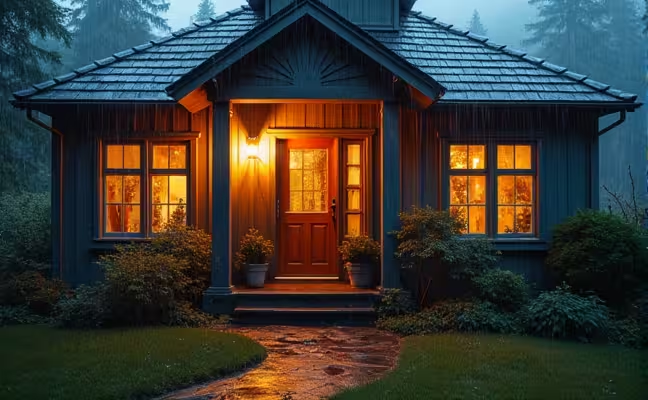
Storm doors and windows offer several benefits:
- Enhanced durability: Made from sturdy materials like reinforced glass or polycarbonate, they can withstand impacts from wind-blown objects.
- Improved insulation: They create an additional barrier against outdoor temperatures, helping to maintain a comfortable indoor climate.
- Energy efficiency: The extra insulation can lead to lower heating and cooling costs.
- Noise reduction: Storm doors and windows can help muffle outdoor noise, creating a more peaceful indoor environment.
- Added security: Many storm doors come with additional locking mechanisms, enhancing your home's security.
When selecting storm doors and windows, consider factors such as your local climate, the style of your home, and your budget. While they may represent a significant upfront investment, the long-term benefits in terms of severe weather home protection and energy savings make them a worthwhile addition to any home.
3. Trim Trees and Shrubs
While trees and shrubs can enhance your home's curb appeal, they can also pose a significant risk during severe weather if not properly maintained. Overgrown or unhealthy trees can become dangerous projectiles in high winds, potentially causing severe damage to your home or neighboring properties.

Here are some tips for managing your landscaping to protect your home from extreme weather:
- Regular pruning: Trim dead or weak branches that could easily break off during a storm.
- Remove hazardous trees: If a tree is diseased, dying, or leaning precariously, consider having it professionally removed.
- Maintain a safe distance: Ensure large trees are planted at a safe distance from your home to prevent root damage to your foundation.
- Proper tree care: Keep trees healthy through regular watering, fertilization, and pest control to increase their resilience to severe weather.
- Consider wind-resistant species: When planting new trees, choose species known for their wind resistance, such as live oak, bald cypress, or southern magnolia.
By maintaining your landscaping, you not only enhance your home's appearance but also significantly reduce the risk of weather-related damage.
4. Secure Loose Objects
When it comes to how to safeguard your home from storms, don't overlook the seemingly harmless items in your yard. During severe weather, everyday objects can become dangerous projectiles, capable of causing significant damage to your property or injuring people.
Before a storm hits, take the time to secure or store the following items:
- Patio furniture
- Grills
- Potted plants
- Garden tools and equipment
- Children's toys
- Trash cans
- Bicycles
- Decorative items like wind chimes or flags
Consider creating a designated storage area for these items, such as a shed or garage, where you can quickly move them when severe weather is forecast. For larger items that can't be easily moved, like trampolines or large playground equipment, invest in heavy-duty anchoring systems to keep them in place during high winds.
5. Install a Sump Pump
Flooding is a common consequence of severe weather, and it can cause extensive damage to your home. A sump pump is an essential tool for protecting your home from water damage, especially if you live in an area prone to heavy rainfall or have a basement.
Here's how a sump pump works:
- It's installed in the lowest part of your basement or crawlspace.
- As water accumulates, it flows into a sump pit.
- When the water reaches a certain level, the pump activates automatically.
- The pump then removes the water from the pit and directs it away from your home's foundation.
When choosing a sump pump, consider factors such as:
- Horsepower: Higher horsepower pumps can move more water more quickly.
- Battery backup: This ensures your pump will continue working even during power outages.
- Alarm systems: Some pumps come with alarms that alert you to potential problems.
- Automatic vs. manual operation: Automatic pumps are generally more convenient and reliable.
Remember to test your sump pump regularly and keep it well-maintained to ensure it's ready to protect your home when severe weather strikes.
6. Reinforce Your Roof
Your roof is your home's first line of defense against severe weather. Reinforcing it can significantly enhance your severe weather home protection strategy. Here are some ways to strengthen your roof:
- Install hurricane straps: These metal fasteners connect your roof to the walls of your house, providing additional support during high winds.
- Use impact-resistant shingles: These shingles are designed to withstand impacts from hail and wind-blown debris.
- Apply roof sealant: A waterproof sealant can help prevent leaks and water damage.
- Reinforce your roof decking: Use ring-shank nails to secure your roof decking more firmly.
- Install a secondary water barrier: This underlayment provides an extra layer of protection against water infiltration.
Regular roof maintenance is also crucial. Inspect your roof at least twice a year and after any severe weather events. Look for missing or damaged shingles, signs of water damage, or any other issues that could compromise your roof's integrity.
7. Install a Generator
Power outages are a common occurrence during severe weather events. Installing a generator can ensure that your home remains functional even when the power grid fails. There are two main types of generators to consider:
- Portable generators: These are less expensive and can be moved as needed. They're good for powering essential appliances during short-term outages.
- Standby generators: These are permanently installed and can power your entire home. They switch on automatically when the power goes out, providing seamless protection.
When choosing a generator, consider factors such as:
- Power output: Ensure it can handle your essential electrical needs.
- Fuel type: Generators can run on gasoline, propane, or natural gas.
- Noise level: Some generators are designed to operate more quietly than others.
- Safety features: Look for features like automatic shut-off and carbon monoxide detection.
Remember to have your generator professionally installed and maintain it regularly to ensure it's ready when you need it most.
8. Create a Disaster Plan
While physical preparations are crucial, having a well-thought-out disaster plan is equally important for protecting your home from extreme weather. Your plan should include:
- Emergency contact information: Keep a list of important numbers, including family members, neighbors, and local emergency services.
- Evacuation routes: Plan multiple routes to leave your area in case some roads are blocked.
- Safe spaces: Identify the safest areas in your home for different types of severe weather (e.g., basement for tornadoes, upper floors for flooding).
- Emergency kit: Prepare a kit with essential supplies like water, non-perishable food, flashlights, batteries, and first-aid supplies.
- Important documents: Keep copies of important documents in a waterproof, portable container.
- Communication plan: Establish how family members will communicate if separated during an emergency.
Practice your disaster plan with your family regularly to ensure everyone knows what to do when severe weather strikes.
9. Maintain Your Gutters
Proper gutter maintenance is a crucial aspect of weather damage prevention for homes. Clogged or damaged gutters can lead to water overflow, potentially causing significant damage to your home's foundation, walls, and roof. Here's how to keep your gutters in top shape:
- Regular cleaning: Clean your gutters at least twice a year, and more frequently if you have many trees near your home.
- Check for damage: Look for signs of wear and tear, such as cracks, rust, or sagging sections.
- Ensure proper slope: Gutters should slope slightly towards the downspouts to ensure proper water flow.
- Install gutter guards: These can help prevent debris from accumulating in your gutters, reducing the need for frequent cleaning.
- Extend downspouts: Ensure your downspouts direct water at least 3-4 feet away from your home's foundation.
By maintaining your gutters, you're not only protecting your home from water damage but also preventing potential breeding grounds for pests and mold.
10. Invest in Homeowners Insurance
While taking preventive measures is crucial, it's equally important to have a financial safety net in case severe weather does cause damage to your home. Homeowners insurance can provide that protection. Here are some key points to consider:
- Coverage review: Regularly review your policy to ensure it adequately covers potential weather-related damages in your area.
- Flood insurance: Standard homeowners policies typically don't cover flood damage. If you live in a flood-prone area, consider purchasing separate flood insurance.
- Understand your policy: Know what's covered, what's not, and what your deductibles are.
- Document your belongings: Keep an updated inventory of your possessions, including photos or videos, to make the claims process easier if needed.
- Consider additional coverage: Depending on your location, you might want to consider additional coverage for specific risks like hurricanes or earthquakes.
Remember, insurance is not just about protecting your property; it's about ensuring your peace of mind and financial stability in the face of unexpected events.
Conclusion
Protecting your home from severe weather requires a comprehensive approach that combines physical preparations, strategic planning, and financial protection. By implementing these home weatherproofing tips and severe weather home protection strategies, you can significantly reduce the risk of weather-related damage to your property.
Remember, the key to effective protection is regular maintenance and staying prepared. Keep an eye on weather forecasts, regularly review and update your disaster plan, and don't hesitate to seek professional help when needed.
As a homeowner myself, I understand how daunting it can be to tackle all these preparations on your own. That's why I'm a big fan of simpleHome. It's a fantastic platform that connects homeowners like us with local professionals who can help with everything from home inspections to gutter maintenance and roof reinforcement. Whether you need help with a specific project or want a comprehensive home protection plan, simpleHome makes it easy to find reliable experts in your area.
By taking these steps to protect your home from extreme weather, you're not just safeguarding your property – you're ensuring the safety and comfort of your loved ones, come rain or shine. Stay safe, stay prepared, and enjoy the peace of mind that comes with knowing your home is ready to weather any storm.