


The Best Paint Colors for Small Spaces
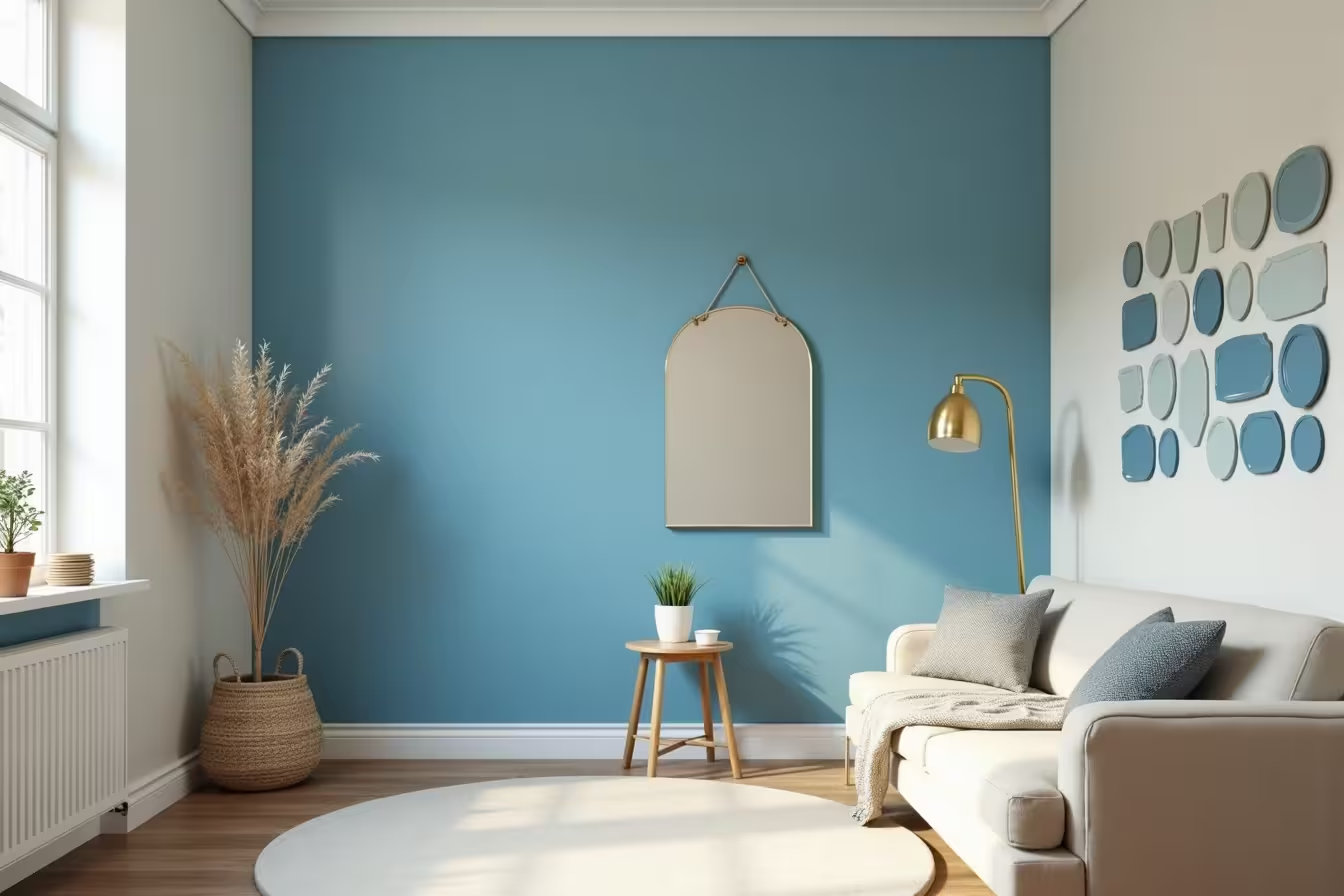
Are you struggling to make your tiny apartment feel spacious? Or perhaps you're looking to refresh a compact room in your house? Choosing the right paint colors for small spaces can make a world of difference. In this comprehensive guide, we'll explore the best paint colors for small rooms and share some clever small space paint ideas that will transform your cozy corners into airy, inviting spaces.
The Power of Light Colors in Small Spaces
When it comes to interior paint colors for small spaces, light hues reign supreme. These shades are not just visually appealing; they have the magical ability to make a small room appear larger than it actually is. How? Light colors are reflective, which means they maximize the effect of natural light, creating an illusion of spaciousness.
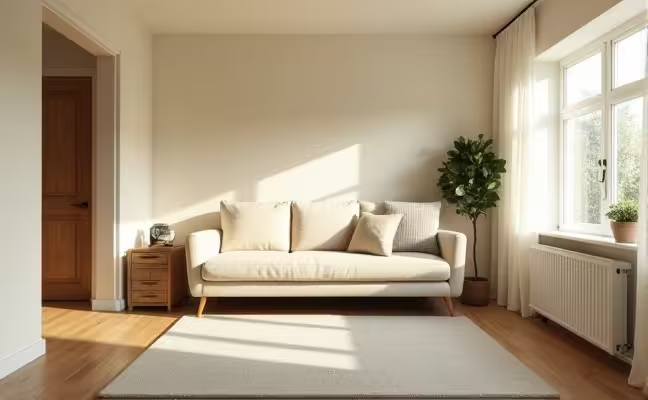
For small spaces, consider using softer tones like whites, creams, pale grays, or pastels. These colors can instantly brighten up a room, making it feel more open and inviting. A light cream shade on the walls, paired with a beige couch and a pale gray rug, can create a harmonious and spacious atmosphere in a small living room.
The Versatility of Neutral Colors
Neutral shades are another excellent option when considering paint colors for small spaces. Colors like beige, gray, or taupe are incredibly versatile and can make small spaces seem more expansive and welcoming. These neutral tones offer flexibility in decoration, allowing you to easily change up your decor without having to repaint.
Moreover, neutral colors go well with most other hues, making them a safe choice for those who love to experiment with different color accents through furniture, artwork, or accessories. A taupe wall, for instance, can serve as a perfect backdrop for both vibrant and muted decor pieces.
Embracing Bold Colors in Small Spaces
While lighter shades are typically recommended for small spaces, don't be afraid to embrace bold colors. When used correctly, bold hues can add depth and create a striking focal point in your room. Jewel tones like ruby red, emerald green, or sapphire blue can add a touch of luxury and personality to your space.
The key to using bold colors in small rooms is balance. Consider painting one accent wall in a bold shade while keeping the rest of the walls neutral. This creates visual interest without overwhelming the space. For example, a deep sapphire blue accent wall in a bedroom can create a stunning contrast against lighter colored furnishings.
The Magic of Monochromatic Color Schemes
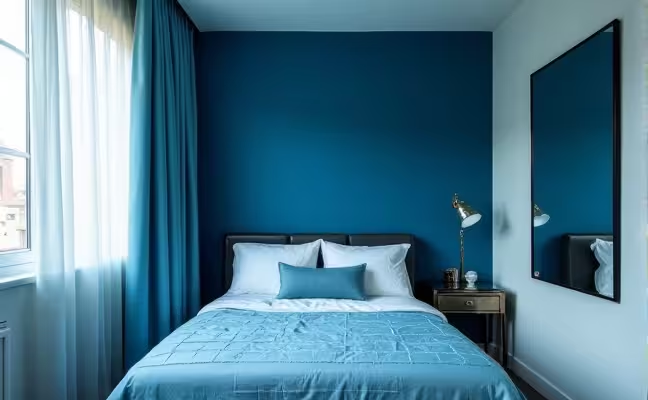
One of the most effective small room color ideas is to use a monochromatic color scheme. This involves using different shades of the same color throughout the space. A monochromatic palette creates a seamless look that allows the eye to move around the room without interruption, making the space appear larger.
In the image above, we see a small, modern bedroom that beautifully showcases a monochromatic color scheme. The room features various shades of blue, from a deep sapphire accent wall to lighter sky-blue bedding and curtains. This creates a cohesive and expansive feel in the room.
The Effect of Cool Colors
Cool colors like blues, greens, and purples can make a small room seem bigger. These colors recede from the eye, creating an illusion of a larger space. Consider using a soft lavender or a muted blue to achieve this effect. These colors not only make the room feel more spacious but also create a calming and relaxing atmosphere, perfect for bedrooms or home offices.
Don't Forget the Ceiling
When thinking about paint colors for small spaces, don't overlook the ceiling. Painting the ceiling a lighter shade than the walls can give the illusion of height and space. It draws the eye upward, helping to open up the room. In the bedroom image above, you can see how the ceiling is painted a shade lighter than the walls, adding an illusion of height to the space.
Mirrors and Reflective Surfaces: A Small Space's Best Friend
While not strictly a paint color, the use of mirrors and reflective surfaces is an important point to consider when decorating small spaces. Mirrors and shiny surfaces reflect light, making the room appear larger and brighter. You could use a glossy or metallic paint to achieve this effect on certain surfaces or accessories in the room.
In our bedroom example, notice the reflective, metallic side table and the large mirror on one wall. These elements enhance the overall space and brightness of the room, working in harmony with the paint colors to create an illusion of a larger space.
The Impact of Accent Walls
An accent wall in a bold or contrasting color can add depth to a small room. It draws the eye to that wall, making the room appear longer or wider. This technique works particularly well in narrow rooms or spaces with awkward dimensions. The deep sapphire accent wall in our bedroom example demonstrates how an accent wall can add depth and interest to a small space.
Considering the Room's Purpose
When choosing paint colors for small spaces, it's crucial to consider the room's purpose. The color choice should reflect the function of the room. For instance, calming shades like blues or greens are ideal for bedrooms or bathrooms, promoting relaxation and tranquility. On the other hand, energetic colors like yellows or reds can be suitable for living rooms or kitchens, where you want to encourage activity and socialization.
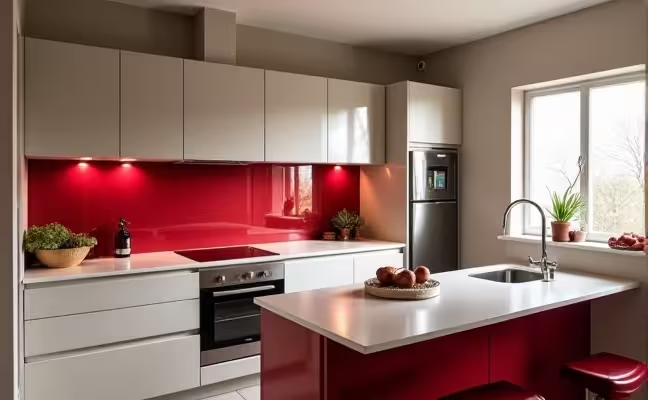
In this compact kitchen, we see a perfect blend of neutral colors and bold accents. The walls are painted in a versatile taupe, creating a neutral backdrop. The ruby red accents on the kitchen island and backsplash add energy and vibrancy to the space, perfect for a room where cooking and socializing often take place.
The Importance of Testing Colors
Before committing to a color scheme, it's crucial to test your chosen paint colors in the room you're planning to paint. Colors can look different depending on the lighting and other factors in the space. You could paint a small section of the wall or use peel-and-stick paint samples for this purpose.
In our kitchen example, you can see a peel-and-stick paint sample on one wall. This is an excellent way to test how the color looks in different lighting conditions throughout the day before making a final decision.
Conclusion: Transforming Your Small Spaces
Choosing the best paint colors for small rooms doesn't have to be a daunting task. By understanding the principles of color psychology and how different hues interact with light and space, you can transform your compact areas into inviting, spacious-feeling rooms. Remember, whether you opt for light and airy pastels, bold and dramatic jewel tones, or versatile neutrals, the key is to choose colors that resonate with you and suit the purpose of your space.
As someone who's passionate about home improvement, I've seen firsthand how the right paint colors can completely transform a small space. If you're feeling overwhelmed by the choices or need professional help to bring your vision to life, I highly recommend checking out simpleHome. It's a fantastic platform that connects homeowners like you with local professionals who can help make your small space dreams a reality. Happy painting!