


Common Home Inspection Issues and How to Address Them
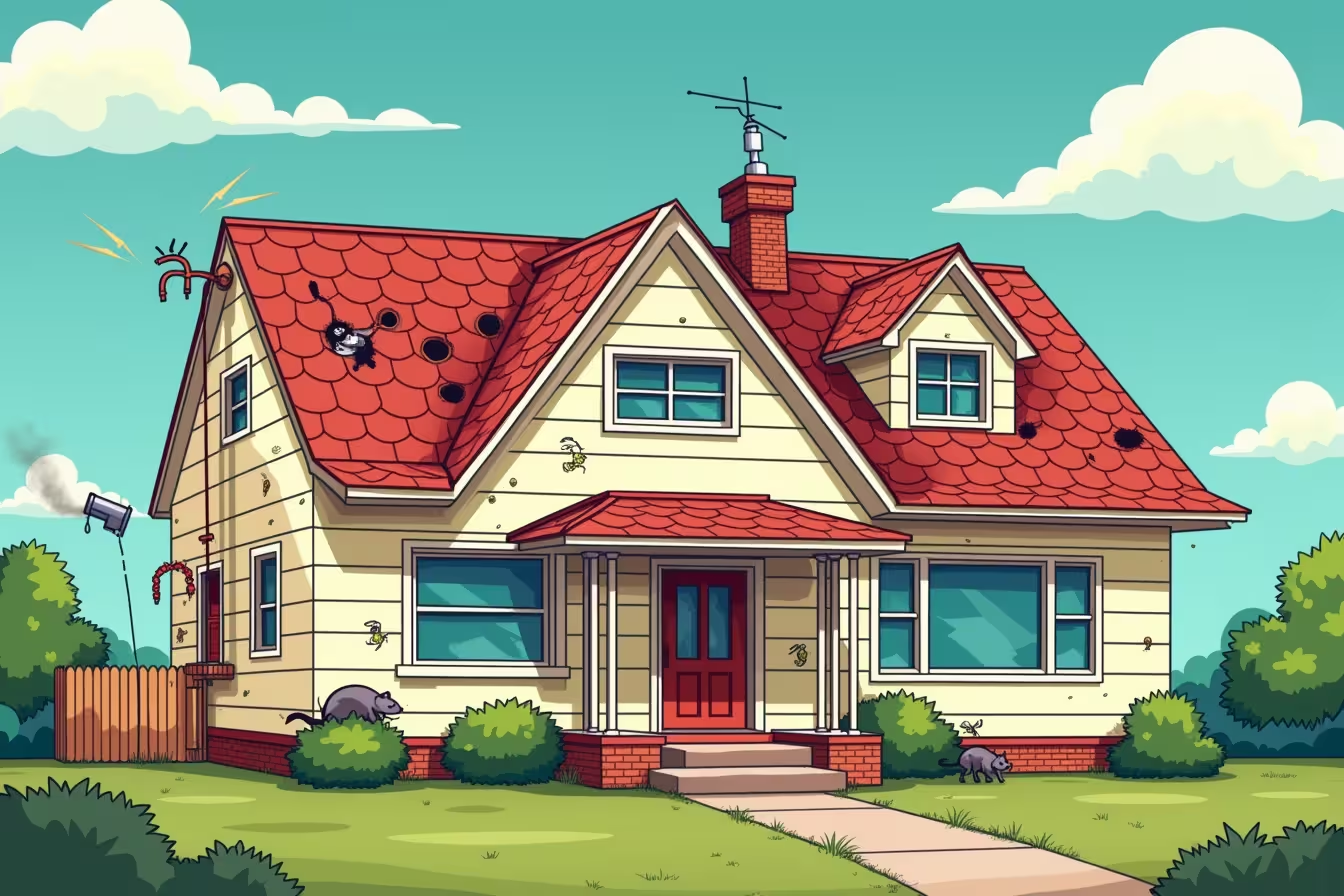
When it comes to buying or maintaining a home, a thorough home inspection is crucial. It can reveal a wealth of information about the property's condition and help you make informed decisions. In this comprehensive guide, we'll explore common home inspection problems, discuss how to fix home inspection issues, and provide valuable home inspection tips to help you navigate this essential process.
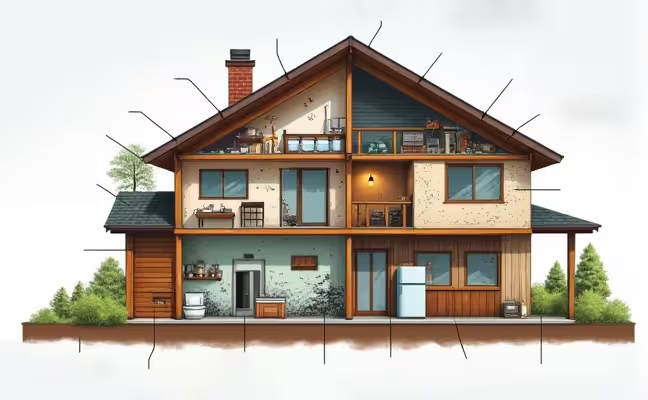
As you can see from the image above, a home can have various issues that might not be immediately apparent to the untrained eye. That's why having a professional home inspection is so important. Let's dive into the most common home inspection problems and how to address them effectively.
1. Plumbing Issues: Keeping the Water Flowing Smoothly
Plumbing problems are among the most frequently encountered issues during a home inspection. These can range from minor annoyances like leaky faucets to more serious concerns such as inadequate water pressure or outdated plumbing systems. Let's break down some common plumbing issues and their solutions:
- Leaky Faucets: While seemingly minor, leaky faucets can waste a significant amount of water over time. They're often caused by worn-out washers or O-rings, which are relatively easy and inexpensive to replace.
- Slow Drains: These can be caused by buildups of hair, soap scum, or other debris. Regular cleaning and the use of enzyme-based drain cleaners can help prevent this issue.
- Low Water Pressure: This could be due to clogged pipes, leaks, or municipal supply issues. A professional plumber can diagnose and address the root cause.
- Outdated Plumbing: Older homes may have galvanized or lead pipes, which can corrode over time and pose health risks. Upgrading to modern materials like copper or PEX can improve water quality and pressure.
The best solution for plumbing issues is to hire a professional plumber for a thorough assessment and repair. Regular maintenance, such as annual inspections and prompt repairs of minor leaks, can prevent small issues from becoming major headaches down the line.
2. Electrical System Faults: Powering Up Safely
Electrical problems are not just inconvenient; they can be downright dangerous. Common electrical issues found during home inspections include:
- Faulty Wiring: This can manifest as flickering lights, frequent circuit breaker trips, or warm outlets. It's a serious fire hazard and should be addressed immediately.
- Outdated Electrical Panels: Older panels may not be able to handle the power demands of modern homes and appliances. They may also lack important safety features like ground fault circuit interrupters (GFCIs).
- Improper Modifications: DIY electrical work or modifications by unlicensed contractors can lead to code violations and safety hazards.
When it comes to electrical issues, there's no room for DIY solutions. Always hire a licensed electrician to make necessary updates and repairs. They can ensure your home's electrical system is up to code, safe, and efficient.
3. Roof Damage: Protecting Your Home from the Top Down
Your roof is your home's first line of defense against the elements, so any issues here can lead to significant problems if left unchecked. Common roof issues include:
- Missing or Damaged Shingles: This can allow water to penetrate the roof, leading to leaks and structural damage.
- Sagging Roof: This could indicate structural issues or water damage and requires immediate attention.
- Flashing Problems: Damaged or improperly installed flashing around chimneys, vents, and skylights can lead to leaks.
To address roof issues, it's best to seek the services of a professional roofing company. They can assess the extent of the damage and recommend either repairs or a full replacement if necessary. Regular roof inspections, especially after severe weather events, can help catch problems early.
4. Foundation Issues: Building on Solid Ground
Foundation problems can be some of the most serious and costly issues uncovered during a home inspection. Signs of foundation issues include:
- Cracks in the Foundation: While hairline cracks are common, larger or growing cracks can indicate serious problems.
- Uneven Floors: This could be a sign that the foundation is settling unevenly.
- Doors and Windows That Don't Close Properly: This can occur when the house shifts due to foundation issues.
- Gaps Between Walls and Floors or Ceilings: Another sign of structural movement.
Foundation issues require immediate attention from a structural engineer or a foundation repair contractor. They can assess the severity of the problem and recommend appropriate solutions, which may include underpinning, installing piers, or other stabilization methods.
5. HVAC System Problems: Comfort and Efficiency
Heating, Ventilation, and Air Conditioning (HVAC) systems are crucial for maintaining a comfortable living environment. Common HVAC issues include:
- Inefficient Heating or Cooling: This could be due to an aging system, poor maintenance, or inadequate insulation.
- Strange Noises: Unusual sounds from your HVAC system could indicate mechanical problems.
- Poor Air Quality: This might be caused by dirty filters, ductwork issues, or inadequate ventilation.
Regular maintenance by a licensed HVAC technician can prevent many of these issues. If your system is old or frequently needs repairs, it might be more cost-effective in the long run to upgrade to a newer, more efficient model.
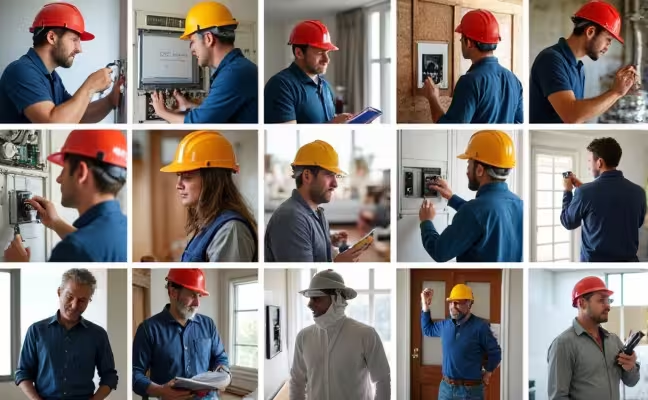
As you can see from the image above, addressing home inspection issues often requires the expertise of various professionals. From plumbers and electricians to roofers and HVAC technicians, these experts play a crucial role in maintaining and improving your home.
6. Poor Insulation: Keeping Comfort In and Costs Down
Inadequate insulation is a common issue that can significantly impact your home's energy efficiency and comfort. Problems related to insulation include:
- High Energy Bills: Poor insulation allows heat to escape in winter and enter in summer, making your HVAC system work harder.
- Inconsistent Temperatures: You might notice some rooms are much colder or hotter than others.
- Ice Dams: In colder climates, poor attic insulation can lead to ice dams on the roof, potentially causing water damage.
An energy audit can help identify areas where insulation is lacking. Adding insulation to attics, walls, and crawl spaces can dramatically improve your home's energy efficiency. Consider using eco-friendly materials like recycled denim or cellulose for a greener option.
7. Mold and Mildew: Battling the Silent Invaders
Mold and mildew are not just unsightly; they can pose serious health risks and damage your home's structure. Common signs of mold include:
- Visible Growth: Often appears as black, green, or white spots on walls, ceilings, or in corners.
- Musty Odors: A persistent earthy or musty smell can indicate hidden mold growth.
- Health Symptoms: Residents may experience increased allergies or respiratory issues.
Professional mold remediation is often required to safely remove mold and prevent its return. This process typically involves identifying and addressing the source of moisture, removing affected materials, and treating the area with appropriate cleaning agents.
8. Pest Infestation: Uninvited Guests
Pest infestations can cause significant damage to a home if left unchecked. Common pests include:
- Termites: These wood-destroying insects can cause extensive structural damage.
- Rodents: Mice and rats can chew through wiring and insulation, creating fire hazards.
- Carpenter Ants: Like termites, they can damage wooden structures.
Hiring a pest control professional is the most effective way to address infestations. They can identify the type of pest, determine the extent of the problem, and implement appropriate treatment methods. Regular inspections and preventive measures can help keep pests at bay.
9. Water Damage: When Moisture Strikes
Water damage can lead to a host of problems, including mold growth and structural issues. Common causes of water damage include:
- Leaky Pipes: Even small leaks can cause significant damage over time.
- Poor Drainage: This can lead to water pooling around the foundation.
- Roof Leaks: Often caused by damaged shingles or flashing.
Addressing water damage promptly is crucial. Professional water damage restoration services can help dry out affected areas, repair damage, and prevent mold growth. Improving drainage around your home and fixing leaks as soon as they're discovered can prevent future water damage.
10. Outdated Appliances: Efficiency Matters
While not always considered in home inspections, outdated appliances can be a significant issue. They can:
- Increase Energy Costs: Older appliances are often less energy-efficient.
- Pose Safety Hazards: Outdated appliances may lack modern safety features.
- Perform Poorly: They may not function as well as newer models.
Consider replacing outdated appliances with newer, energy-efficient models. This can improve safety, reduce energy costs, and enhance your home's functionality.
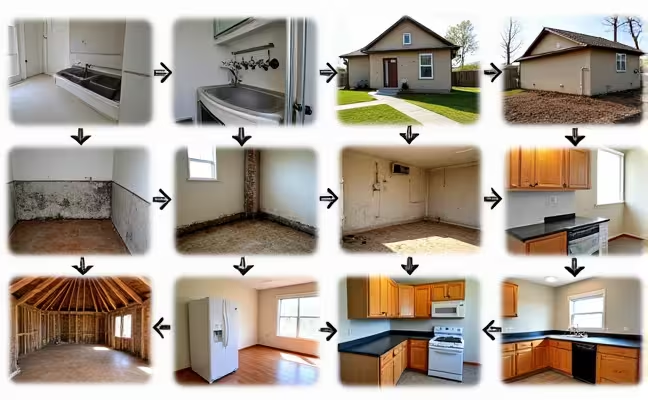
The before-and-after images above illustrate the dramatic improvements that can be made by addressing common home inspection issues. From fixing plumbing problems to updating appliances, these changes can significantly enhance your home's safety, efficiency, and value.
Preparing for a Home Inspection: A Checklist
Whether you're buying a new home or maintaining your current one, preparing for a home inspection is crucial. Here's a home inspection checklist to help you get ready:
- Clear access to all areas of the home, including attics, crawl spaces, and basements.
- Replace any burnt-out light bulbs to avoid confusion about electrical issues.
- Clean or replace dirty HVAC filters.
- Trim trees and shrubs away from the house and roof.
- Fix any minor issues you're aware of, like leaky faucets or loose doorknobs.
- Gather documentation on home improvements and maintenance.
- Ensure all utilities are on for the inspection.
- Remove stored items from areas that need to be inspected, like the water heater or electrical panel.
- Be prepared to discuss any known issues with the inspector.
- Plan to be present during the inspection to ask questions and learn about your home.
Home Inspection Tips: Making the Most of the Process
To get the most out of your home inspection, consider these tips:
- Choose a Qualified Inspector: Look for certifications from reputable organizations like the American Society of Home Inspectors (ASHI) or the International Association of Certified Home Inspectors (InterNACHI).
- Attend the Inspection: Being present allows you to ask questions and gain insights about your home's condition.
- Take Notes: Write down any concerns or recommendations the inspector mentions.
- Ask Questions: Don't be afraid to ask for clarification or more information about any issues discovered.
- Review the Report Carefully: Take time to thoroughly read and understand the inspection report.
- Prioritize Repairs: Focus on safety and structural issues first, then move on to less critical problems.
- Get Multiple Quotes: For any necessary repairs, get estimates from several professionals to ensure fair pricing.
- Consider Future Maintenance: Use the inspection as a guide for creating a long-term maintenance plan for your home.
Conclusion: Taking Action on Home Inspection Findings
Addressing common home inspection issues is an essential part of responsible homeownership. By tackling problems promptly and thoroughly, you can maintain your home's value, ensure a safe living environment, and potentially save money on future repairs.
Remember, while some minor issues can be DIY projects, many of the problems we've discussed require professional expertise. Don't hesitate to call in the pros when needed – it's an investment in your home's future.
As a homeowner myself, I've found that staying on top of home maintenance and promptly addressing issues uncovered during inspections has saved me a lot of stress and money in the long run. If you're looking for reliable professionals to help with home repairs or improvements, I highly recommend checking out simpleHome. It's a great platform that connects homeowners like us with local, qualified professionals for all kinds of home-related services. It's made my life so much easier when it comes to maintaining and improving my home!
By following the advice in this guide, using the home inspection checklist, and implementing the home inspection tips we've discussed, you'll be well-equipped to handle whatever your home inspection might reveal. Here's to safe, comfortable, and well-maintained homes for all!