


Choosing the Right Windows for Energy Efficiency
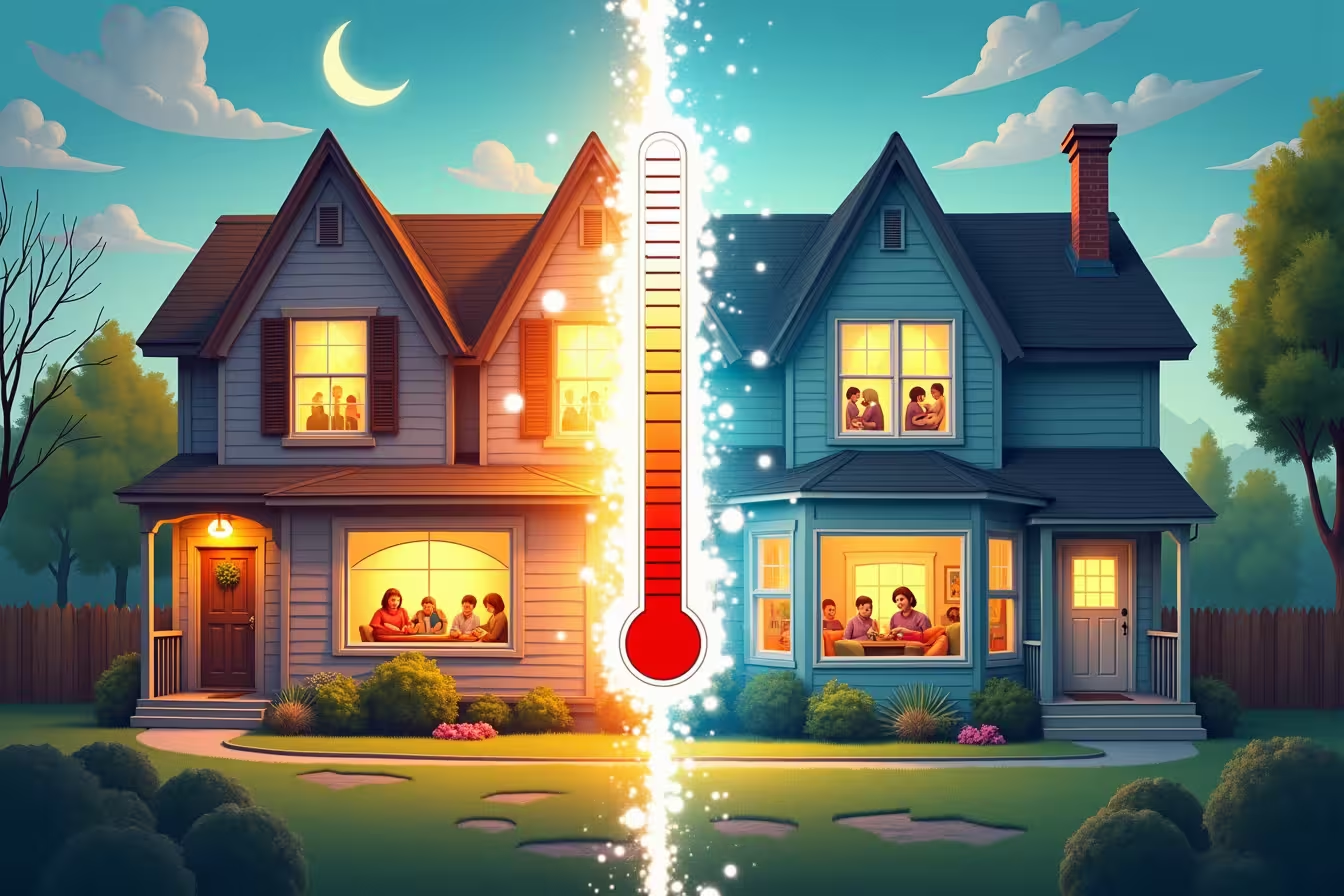
When it comes to home improvement, few projects can have as significant an impact on both your comfort and your wallet as installing energy efficient windows. The best windows for energy saving not only keep your home cozy year-round but also dramatically reduce your energy bills. In this comprehensive guide, we'll explore everything you need to know about choosing energy efficient windows, from understanding performance ratings to considering your local climate.
Understanding Energy Performance Ratings
Before diving into the world of energy efficient windows, it's crucial to understand how their performance is measured. The National Fenestration Rating Council (NFRC) provides standardized ratings that help consumers compare different windows' energy efficiency. These ratings consider several factors:
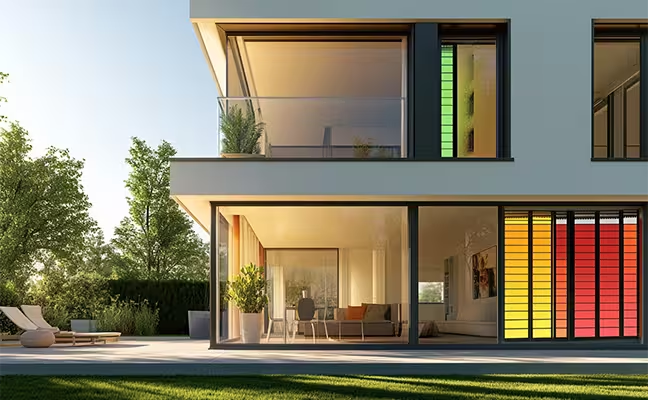
1. U-factor: This measures how well a window insulates. Lower U-factors indicate better insulation properties.
2. Solar Heat Gain Coefficient (SHGC): This indicates how much solar radiation the window allows through. Lower SHGC values mean less heat gain, which is ideal for warmer climates.
3. Visible Transmittance: This measures how much light passes through the window. Higher values mean more natural light.
4. Air Leakage: This rating shows how much air can enter through the window. Lower numbers indicate less air infiltration.
When choosing energy efficient windows, pay close attention to these ratings. They'll help you determine which windows will perform best in your specific situation.
Window Materials: A Key Factor in Energy Efficiency
The material used in window construction plays a significant role in its energy efficiency. Let's explore some common materials and their properties:
1. Vinyl: Vinyl windows are popular for their excellent insulation properties and low maintenance requirements. They're also cost-effective, making them a great choice for homeowners looking to balance efficiency and budget.
2. Wood: Wood windows offer superior insulation and a classic aesthetic. They require more maintenance than vinyl but can last for decades if properly cared for.
3. Fiberglass: This material is extremely durable and provides excellent insulation. Fiberglass windows can be painted, giving you more design flexibility.
4. Aluminum: While not as energy-efficient as other materials, aluminum windows are strong, lightweight, and resistant to weathering. They're often used in commercial buildings or in areas prone to hurricanes.
When choosing energy efficient windows, consider both the immediate and long-term costs. While some materials may have a higher upfront cost, their energy-saving properties and longevity can make them more economical over time.
Window Styles and Their Impact on Energy Efficiency
The style of window you choose can significantly affect its energy efficiency. Let's compare some common styles:
1. Casement Windows: These windows, which open outward like a door, offer excellent energy efficiency. When closed, the sash presses firmly against the frame, creating a tight seal that minimizes air leakage.
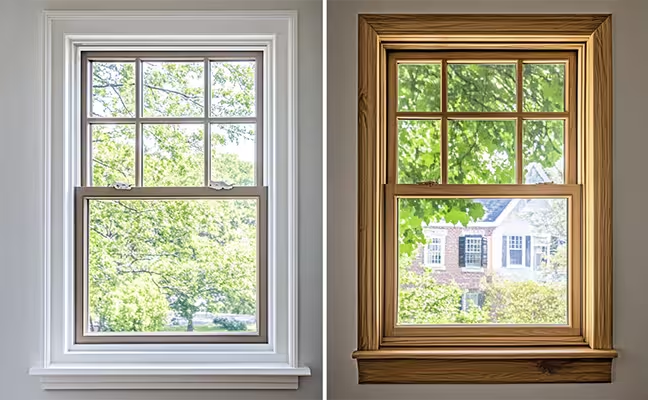
2. Double-Hung Windows: While popular, these windows are slightly less energy-efficient due to their vertical sliding design. However, modern double-hung windows often feature tilt-in sashes for easy cleaning and improved sealing.
3. Sliding Windows: Similar to double-hung windows in terms of efficiency, sliding windows move horizontally. They're a good choice for areas where you want a wide view.
4. Awning Windows: These windows are hinged at the top and open outward, offering good ventilation and energy efficiency. They're often used in combination with other window styles.
When choosing energy efficient windows, consider both your aesthetic preferences and the window's sealing capabilities. A well-sealed window will always perform better in terms of energy efficiency.
The Importance of Energy-Efficient Glass
The glass used in your windows is perhaps the most critical factor in determining their energy efficiency. Here are some options to consider:
1. Low-E Glass: Low-emissivity (Low-E) glass is coated with a microscopic layer of metallic oxides. This coating reflects heat while allowing light to pass through, keeping your home cooler in summer and warmer in winter.
2. Double-Pane and Triple-Pane Windows: These windows have two or three panes of glass with spaces in between. The spaces are often filled with inert gases like argon or krypton, which provide better insulation than air.
3. Spectrally Selective Coatings: These advanced coatings can filter out up to 70% of the heat normally transmitted through insulated window glass while allowing full light transmission.
When choosing energy efficient windows, don't skimp on the glass. The right glass can dramatically improve your window's performance and lead to significant energy savings over time.
The Crucial Role of Proper Installation
Even the most energy-efficient windows won't perform well if they're not installed correctly. Proper installation ensures that there are no gaps or leaks where air can escape, maintaining the temperature inside your home. Here are some key points to remember:
1. Hire a Professional: While DIY installation might seem tempting, professional installation ensures that your windows are correctly fitted and sealed.
2. Check for Proper Insulation: The area around the window should be properly insulated to prevent air leakage.
3. Ensure Correct Sizing: Windows should fit snugly in their openings. Gaps can lead to air leaks and reduce efficiency.
4. Consider Weather-Stripping: This can provide an extra layer of protection against air leaks.
When choosing energy efficient windows, factor in the cost of professional installation. It's an investment that will pay off in improved performance and longevity of your windows.
Choosing Windows for Your Climate
The best windows for energy saving in one climate might not be the best choice in another. Here's how to choose based on your location:
1. Cold Climates: Look for windows with a low U-factor to keep heat inside. Double or triple-pane windows filled with argon or krypton gas are excellent choices.
2. Hot Climates: prioritize a low SHGC to block out solar heat. Look for windows with spectrally selective coatings.
3. Mixed Climates: Seek a balance between low U-factor and low SHGC. Consider different window specifications for different sides of your house based on sun exposure.
When choosing energy efficient windows, always consider your local climate. The right choice can lead to significant energy savings and improved comfort year-round.
The Energy Star Certification
One easy way to ensure you're choosing energy efficient windows is to look for the Energy Star certification. Energy Star is a government-backed symbol for energy efficiency, created by the Environmental Protection Agency (EPA). Windows with this certification meet strict energy efficiency guidelines.
Energy Star certified windows can help lower household energy bills by an average of 12 percent nationwide. In addition to energy savings, these windows help reduce greenhouse gas emissions, contributing to a healthier environment.
When choosing energy efficient windows, look for the Energy Star label. It's a simple way to ensure you're getting a product that will contribute to energy savings in your home.
Enhancing Window Efficiency with Treatments and Coverings
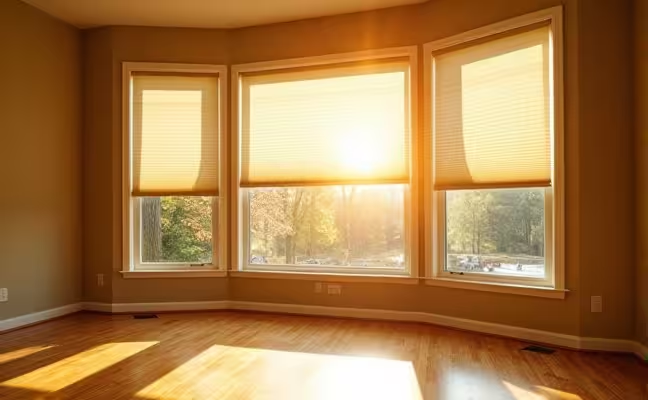
Window treatments and coverings can significantly enhance the energy efficiency of your windows. Here are some options to consider:
1. Insulated Cellular Shades: These shades have a honeycomb structure that traps air, providing an extra layer of insulation.
2. Window Quilts: These padded shades roll down over windows and seal tightly around the edges, reducing heat loss.
3. Reflective Films: These can be applied to window glass to reflect heat away from your home in summer.
4. Exterior Awnings: These can reduce solar heat gain in the summer by up to 65% on south-facing windows and 77% on west-facing windows.
When choosing energy efficient windows, don't forget to consider complementary treatments. The right combination can dramatically improve your home's energy efficiency.
Window Size and Orientation: Often Overlooked Factors
The size and orientation of your windows play a crucial role in their energy efficiency. Here's what you need to know:
1. Window Size: Larger windows allow more heat transfer. While they can provide beautiful views and natural light, be mindful of their impact on energy efficiency.
2. Window Orientation: South-facing windows receive the most sunlight and can help heat your home in winter. North-facing windows receive little direct sunlight and can help keep your home cool in summer.
3. Shading: Consider external shading devices like overhangs or trees for south and west-facing windows to reduce heat gain in summer.
When choosing energy efficient windows, consider how their size and orientation will affect your home's overall energy performance. Strategic placement can help maximize natural heating and cooling.
Maintenance and Longevity: The Long-Term View
The energy efficiency of your windows doesn't end with installation. Proper maintenance is crucial for long-term performance. Here are some tips:
1. Regular Cleaning: Keep your windows clean to maintain their clarity and efficiency.
2. Check for Air Leaks: Regularly inspect your windows for gaps or cracks and seal them promptly.
3. Replace Weatherstripping: Over time, weatherstripping can wear out. Replace it as needed to maintain a tight seal.
4. Consider Professional Maintenance: For complex issues, don't hesitate to call in a professional.
When choosing energy efficient windows, consider their expected lifespan and maintenance requirements. High-quality windows might cost more upfront but can provide better value over time due to their durability and sustained performance.
The Cost and Benefits of Energy Efficient Windows
While the cost of energy efficient windows can be higher than standard windows, the benefits often outweigh the initial investment:
1. Energy Savings: The Department of Energy estimates that you can save $126–$465 a year when replacing single-pane windows and $27–$111 a year for double-pane, clear glass replacement windows.
2. Improved Comfort: Energy efficient windows help maintain a more consistent indoor temperature, reducing cold spots and drafts.
3. Reduced HVAC Strain: By better regulating your home's temperature, these windows can reduce the workload on your heating and cooling systems, potentially extending their lifespan.
4. Increased Home Value: Energy efficient windows can be a selling point if you decide to put your home on the market.
5. Environmental Impact: By reducing your energy consumption, you're also reducing your carbon footprint.
When considering the cost of energy efficient windows, remember to factor in these long-term benefits. The initial investment can pay off significantly over time.
Conclusion: Making the Right Choice for Your Home
Choosing energy efficient windows is a significant decision that can have a lasting impact on your home's comfort, energy consumption, and value. By understanding energy performance ratings, considering different materials and styles, opting for energy-efficient glass, ensuring proper installation, and factoring in your climate and window orientation, you can make an informed decision that will benefit you for years to come.
Remember, the best windows for energy saving are those that meet your specific needs and circumstances. Take the time to research, consult with professionals, and consider all aspects before making your choice. The effort you put into choosing the right energy efficient windows will pay off in lower energy bills, improved comfort, and a reduced environmental impact.
As someone who's gone through this process myself, I know it can seem overwhelming. That's why I'm glad I found simpleHome. This platform connects homeowners like us with local professionals who can guide us through the process of choosing and installing energy efficient windows. Whether you're ready to make the switch or just starting your research, simpleHome can help you take the next step towards a more energy-efficient home.