


How to Prevent Ice Dams on Your Roof This Winter

As winter approaches, homeowners face many challenges in maintaining their properties. One of the most significant issues during the cold months is the formation of ice dams on roofs. These icy buildups can cause severe damage to your home if left unchecked. In this comprehensive guide, we'll explore effective strategies for ice dams prevention and winter roof maintenance to keep your home safe and dry throughout the season.
Understanding Ice Dam Formation
Before we dive into prevention methods, it's crucial to understand how ice dams form. This knowledge will help you appreciate why certain prevention techniques are effective and how they work to protect your roof.
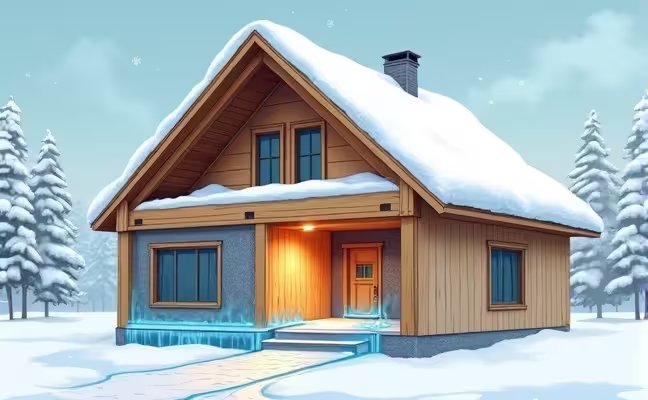
Ice dams occur when the roof over your attic becomes warm enough to melt the bottom layer of snow on your roof. This warmth typically comes from heat escaping from your living spaces into the attic. As the snow melts, water trickles down between the layer of snow and your shingles. When this water reaches the colder eaves of your roof (the part that extends beyond the walls of your house), it refreezes, creating an ice dam.
Once an ice dam forms, it can prevent further melting snow from draining off your roof. This trapped water can then seep under your shingles and into your home, causing water damage to your ceilings, walls, and insulation. Understanding this process is key to implementing effective ice dams prevention strategies.
Effective Strategies for Preventing Ice Dams
Now that we understand how ice dams form, let's explore various methods to prevent them. These techniques focus on keeping your roof cold and ensuring proper drainage, which are essential for preventing roof ice buildup.
1. Ensure Proper Attic Insulation
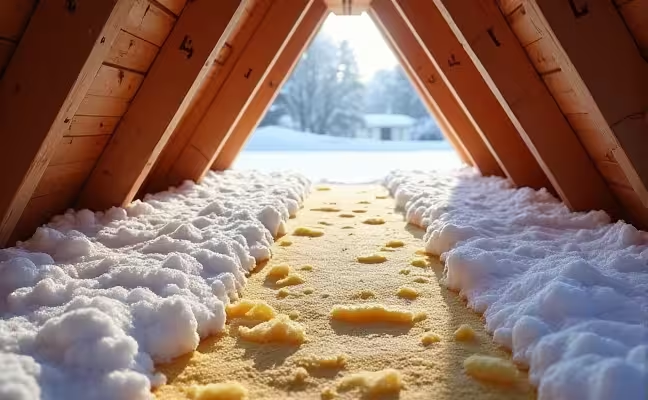
One of the most effective ways to prevent ice dams is to ensure your attic is properly insulated. Good insulation keeps the warm air from your living spaces from escaping into your attic, which in turn prevents your roof from warming up and melting the snow on top of it.
To improve your attic insulation:
- Check your current insulation levels and add more if necessary
- Pay special attention to areas around light fixtures, chimneys, and attic hatches
- Consider hiring a professional to perform an energy audit and recommend improvements
Proper insulation not only helps with ice dams prevention but also improves your home's energy efficiency, potentially lowering your heating bills.
2. Improve Attic Ventilation
Good attic ventilation works hand in hand with insulation to keep your roof cold. Proper ventilation allows cold outdoor air to circulate through your attic, keeping the underside of your roof cool and preventing snow from melting and refreezing at the eaves.
To improve attic ventilation:
- Install ridge vents along the peak of your roof
- Add soffit vents under the eaves
- Ensure existing vents are not blocked by insulation or debris
A well-ventilated attic is crucial for winter roof maintenance and can significantly reduce the risk of ice dam formation.
3. Install a Metal Roof
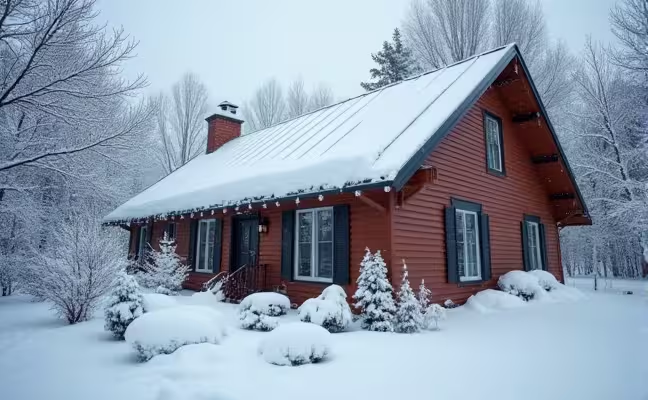
While this is a more significant investment, installing a metal roof can be an excellent long-term solution for preventing ice dams. Metal roofs have several advantages when it comes to ice dams prevention:
- They're more slippery than traditional shingle roofs, allowing snow to slide off before it can melt and refreeze
- Metal conducts cold temperatures evenly across the roof surface, reducing the risk of uneven melting and refreezing
- They're more durable and can withstand the weight of snow and ice better than many other roofing materials
If you're considering a roof replacement in the near future, a metal roof could be an excellent option for preventing roof ice buildup and ensuring long-term winter roof maintenance.
4. Use Heating Cables
Heating cables, also known as heat tapes, can be an effective tool in your arsenal against ice dams. These cables are installed in a zigzag pattern along your roof's edge and in your gutters. When activated, they create channels for melting snow to flow off your roof, preventing it from refreezing at the eaves.
While heating cables can be effective, it's important to note that they consume electricity and should be used in conjunction with other prevention methods for the best results. They're particularly useful in areas prone to heavy snowfall or on roofs with complex designs that make ice dam formation more likely.
5. Regular Roof Raking
One of the simplest yet most effective methods for how to stop ice dams is regular roof raking. This involves using a long-handled snow rake to remove snow from your roof before it has a chance to melt and form ice dams.
Tips for effective roof raking:
- Remove snow after every significant snowfall, not just when you see ice dams forming
- Focus on the areas near the eaves, as these are where ice dams typically form
- Be careful not to damage your shingles - use a rake designed specifically for roofs
- Consider hiring a professional if your roof is steep or difficult to access safely
Regular roof raking is an essential part of winter roof maintenance and can significantly reduce the risk of ice dam formation.
6. Employ De-icing Products
While prevention is always better than cure, sometimes you may need to deal with ice dams that have already formed. In these cases, de-icing products can be helpful. One effective method is to fill a nylon stocking with calcium chloride ice melt and lay it across the ice dam. This creates a channel for water to flow through, helping to melt the ice dam.
Important considerations when using de-icing products:
- Never use rock salt, as it can damage your roofing materials and landscaping
- Be careful when applying de-icers, as walking on an icy roof can be extremely dangerous
- Consider this a temporary solution and focus on long-term prevention methods
7. Maintain Your Gutters
Properly functioning gutters are crucial for preventing ice dams. Clean, well-maintained gutters allow melting snow to flow freely off your roof, reducing the risk of ice dam formation.
Gutter maintenance tips:
- Clean your gutters thoroughly in the fall, removing all leaves and debris
- Check for and repair any sagging or damaged sections
- Consider installing gutter guards to prevent debris buildup
- Ensure your downspouts extend far enough away from your home's foundation
8. Perform Regular Roof Inspections
Regular roof inspections are a crucial part of winter roof maintenance and ice dams prevention. By identifying and addressing potential issues early, you can prevent many problems before they start.
What to look for during a roof inspection:
- Missing or damaged shingles
- Signs of previous water damage or leaks
- Proper attic insulation and ventilation
- Condition of flashing around chimneys and vents
Consider hiring a professional roofer for annual inspections, especially if you're not comfortable or able to safely inspect your roof yourself.
The Importance of Proactive Ice Dam Prevention
When it comes to ice dams, prevention is always better than cure. Dealing with ice dams after they've formed can be dangerous and potentially damaging to your roof. By implementing the strategies we've discussed - from improving insulation and ventilation to regular maintenance and snow removal - you can significantly reduce the risk of ice dam formation.
Remember, effective ice dams prevention isn't just about protecting your roof. It's about safeguarding your entire home from water damage, maintaining its structural integrity, and ensuring the comfort and safety of your family throughout the winter months.
When to Seek Professional Help
While many ice dam prevention techniques can be implemented as DIY projects, some situations call for professional assistance. If you're unsure about your ability to safely perform any of these tasks, or if you've already noticed signs of ice dam formation or water damage, it's best to consult with a professional.
At simpleHome, we understand the challenges homeowners face in maintaining their properties, especially during harsh winter months. That's why we're committed to connecting homeowners with trusted local professionals who can provide expert advice and services for ice dams prevention and removal.
As someone who's dealt with ice dams personally, I can attest to the peace of mind that comes from knowing your home is protected. Whether you need help with insulation, ventilation, or emergency ice dam removal, simpleHome can help you find the right professional for the job.
Don't wait until you're dealing with water damage from ice dams. Take proactive steps now to protect your home this winter. With the right approach to winter roof maintenance and ice dams prevention, you can enjoy a warm, dry, and worry-free winter season.