


The Pros and Cons of Open-Concept Living
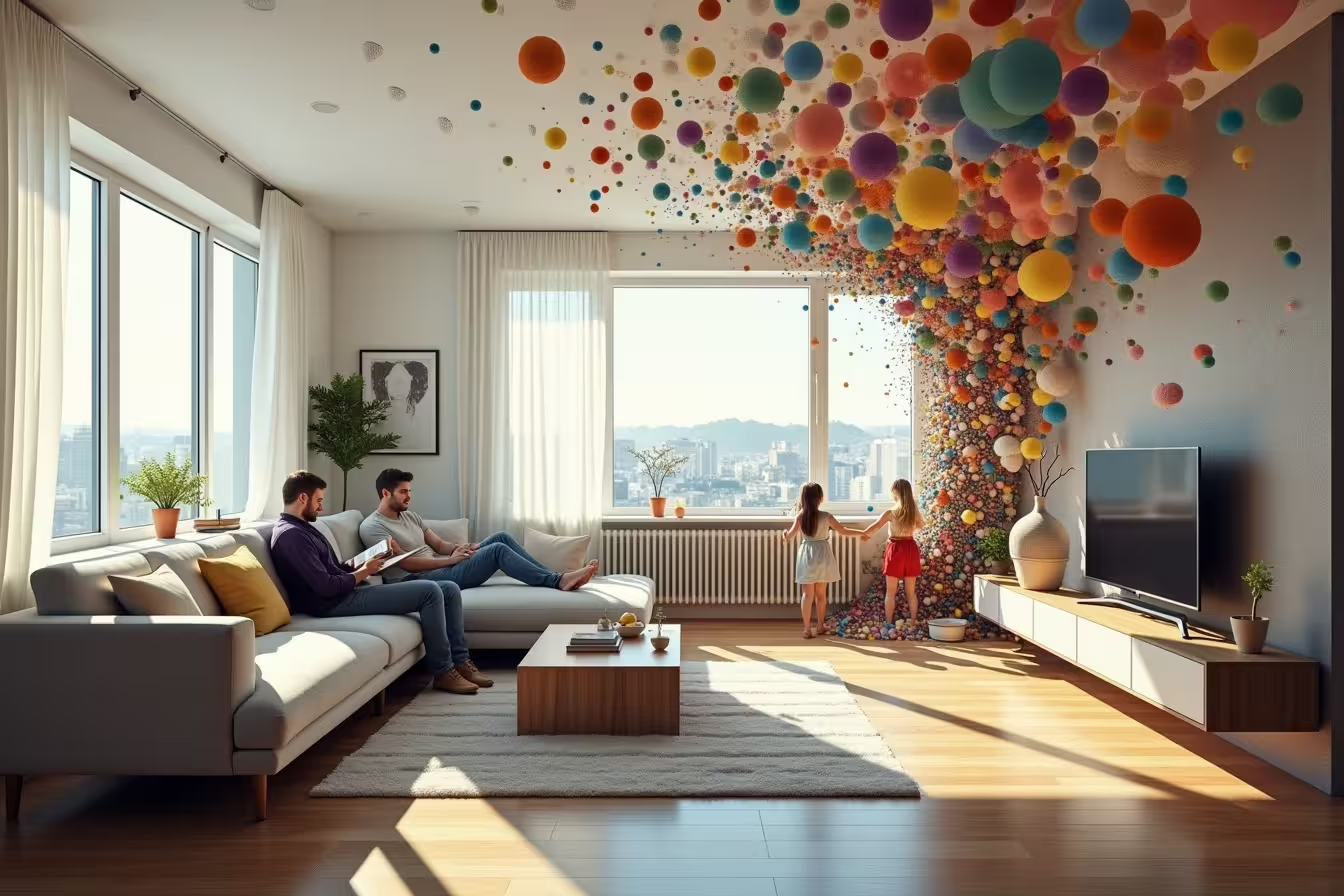
Open-concept living has become increasingly popular in recent years, revolutionizing the way we think about home design and functionality. This modern approach to interior spaces has its fair share of advantages and disadvantages, making it a topic of heated debate among homeowners, architects, and interior designers. In this comprehensive guide, we'll explore the benefits of open-concept design and the drawbacks of open-concept living, helping you make an informed decision about whether this layout is right for your home.
What is Open-Concept Living?
Before diving into the pros and cons, let's clarify what we mean by open-concept living. An open floor plan typically combines two or more traditional-use spaces, such as the kitchen, dining room, and living room, into one large, open area. This design eliminates most interior walls and doors, creating a spacious and fluid environment.
The Advantages of Open-Concept Living
1. Enhanced Social Interaction
One of the most significant open-concept living advantages is the increased opportunity for social interaction. In a traditional home layout, family members might be separated by walls, each in their own room engaged in different activities. An open floor plan breaks down these barriers, allowing for more natural and frequent communication.
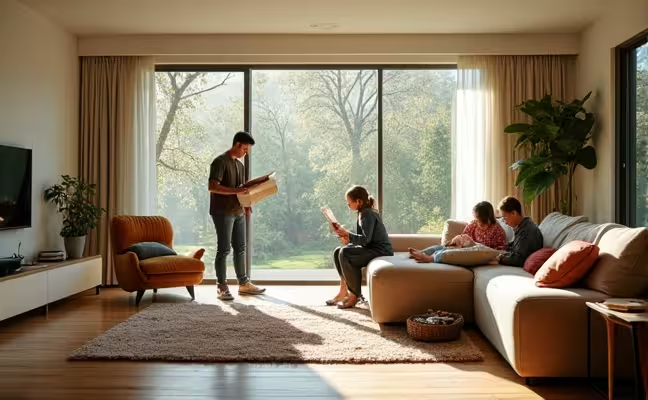
As you can see in the image above, an open-concept living space allows family members to engage in various activities while still being connected. Parents can prepare meals in the kitchen while keeping an eye on children playing in the living area. This layout fosters a sense of togetherness and makes it easier to spend quality time with loved ones, even when performing different tasks.
2. Abundance of Natural Light
Another significant benefit of open-concept design is the improved flow of natural light throughout the space. With fewer walls obstructing sunlight, open floor plans tend to be brighter and more inviting. This abundance of natural light not only makes the space feel larger and more airy but also contributes to a more positive and energizing atmosphere.
The increased natural light can have practical benefits as well. It can reduce the need for artificial lighting during daylight hours, potentially leading to lower energy bills. Additionally, exposure to natural light has been linked to improved mood and productivity, making open-concept living spaces a potential boon for mental well-being.
3. Versatility and Flexibility
Open-concept living spaces offer unparalleled versatility. Without the constraints of walls and designated rooms, homeowners have the freedom to reconfigure their space as needed. This flexibility is particularly valuable when hosting gatherings or adapting to changing lifestyle needs.
For example, you can easily transform your living area into a temporary dining space for a large dinner party, or create a makeshift home office in a corner of the room when working from home. This adaptability is a significant advantage of open-concept living, allowing your home to evolve with your needs over time.
4. Increased Property Value
From a real estate perspective, open-concept living spaces are often seen as a desirable feature. Many potential homebuyers are drawn to the modern, spacious feel of open floor plans. This preference can translate to increased property values, making open-concept homes potentially more lucrative investments.
The popularity of open floor plans in contemporary home design means that homes with this layout often sell faster and at higher prices compared to more traditional layouts. This increased market appeal is certainly worth considering when weighing the pros and cons of open-concept living.
The Disadvantages of Open-Concept Living
While the benefits of open-concept design are numerous, it's important to consider the potential drawbacks as well. Open floor plans come with their own set of challenges that may not suit every lifestyle or preference.
1. Lack of Privacy
One of the most significant open-concept living space drawbacks is the reduced privacy. In a traditional home layout, separate rooms provide natural boundaries and private spaces for different activities. In an open-concept home, these boundaries are largely removed, which can be problematic in certain situations.
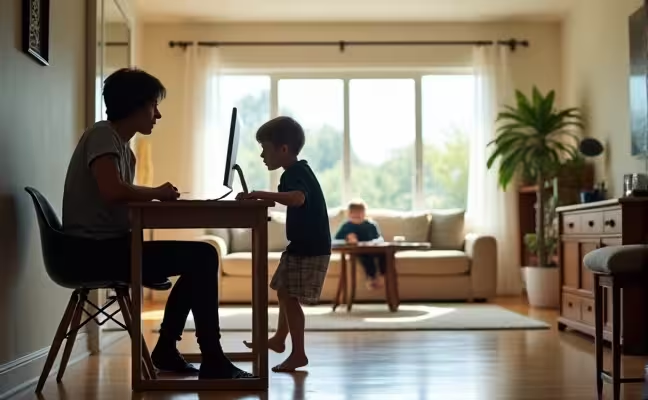
As illustrated in the image above, the lack of walls can make it challenging to create separate zones for different activities. For instance, if one family member needs to work from home while others are watching TV or playing, finding a quiet, private space can be difficult. This lack of privacy can lead to increased stress and reduced productivity in some cases.
2. Noise Levels
Closely related to the privacy issue is the challenge of managing noise levels in an open-concept space. Without walls to act as sound barriers, noises from one area of the home can easily travel to another. This can be particularly problematic in households with children or where different family members have conflicting schedules or activities.
For example, the sound of a blender in the kitchen might interfere with someone trying to watch TV in the living area, or a noisy video game could disrupt a person trying to read or work. Managing these competing sound sources can be a constant challenge in open-concept living spaces.
3. Higher Energy Costs
While open-concept living can potentially reduce lighting costs due to improved natural light, it can lead to higher heating and cooling expenses. In a traditional home layout, you can easily close off unused rooms to save on energy costs. However, in an open floor plan, you're heating or cooling one large space, which can be less efficient and more costly.
The larger volume of air in an open-concept space requires more energy to heat or cool, potentially leading to higher utility bills. This is an important factor to consider when evaluating the long-term costs of open-concept living.
4. Decorating Challenges
While some may view it as an exciting opportunity, decorating an open-concept space can be challenging for others. In a traditional home layout, each room can have its own distinct style and color scheme. In an open floor plan, however, you need to ensure that your decor choices work cohesively across the entire space.
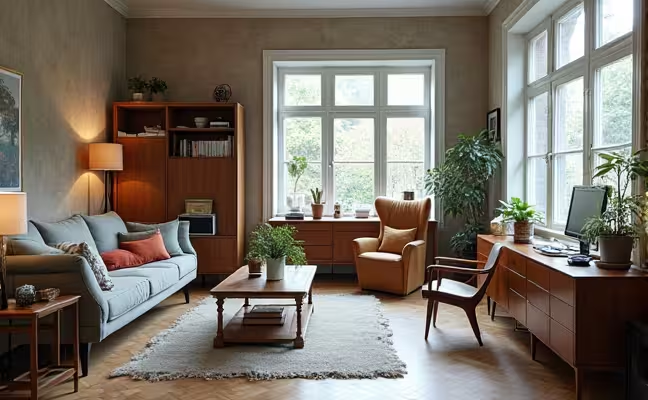
As you can see in the image above, maintaining a cohesive look in a large, open space can be tricky. You need to consider how different areas flow into each other and how your furniture and decor choices will impact the overall aesthetic. This can limit your design options and may require more planning and coordination than decorating separate rooms.
5. Visible Clutter and Mess
In an open-concept home, there's nowhere to hide mess and clutter. What might have been contained to a single room in a traditional layout is now visible throughout the entire living space. This means that keeping your home tidy requires constant effort and vigilance.
For example, dirty dishes in the kitchen sink are visible from the living room, and toys scattered on the floor can be seen from the dining area. This visibility can create a sense of stress and may require more frequent cleaning and organizing to maintain a neat appearance.
Weighing the Pros and Cons
When considering open-concept living, it's essential to weigh these advantages and disadvantages carefully. What works for one family may not work for another. Here are some questions to consider:
- How important is privacy in your daily life?
- Do you enjoy entertaining and hosting large gatherings?
- How do you feel about visible clutter and the need for constant tidying?
- Are you prepared for potentially higher energy costs?
- Do you enjoy the challenge of decorating a large, cohesive space?
By honestly answering these questions, you can better determine whether the benefits of open-concept design outweigh the drawbacks for your specific situation.
Conclusion
Open-concept living offers numerous advantages, including enhanced social interaction, better natural light, versatility of space, and potential increases in property value. However, it also comes with challenges such as lack of privacy, increased noise levels, potential energy inefficiencies, decorating difficulties, and the constant visibility of clutter.
Ultimately, the decision to embrace open-concept living should be based on your lifestyle, preferences, and specific needs. While it can create a modern, spacious feel in your home, it's not the right choice for everyone.
As someone who's been through the process of renovating and redesigning homes, I understand how overwhelming these decisions can be. That's why I recommend using simpleHome to connect with local professionals who can provide expert advice tailored to your specific situation. Whether you're considering a full open-concept renovation or just looking to make some changes to your current layout, having the right professionals on your side can make all the difference.