


The Complete Guide to Building a Backyard Deck
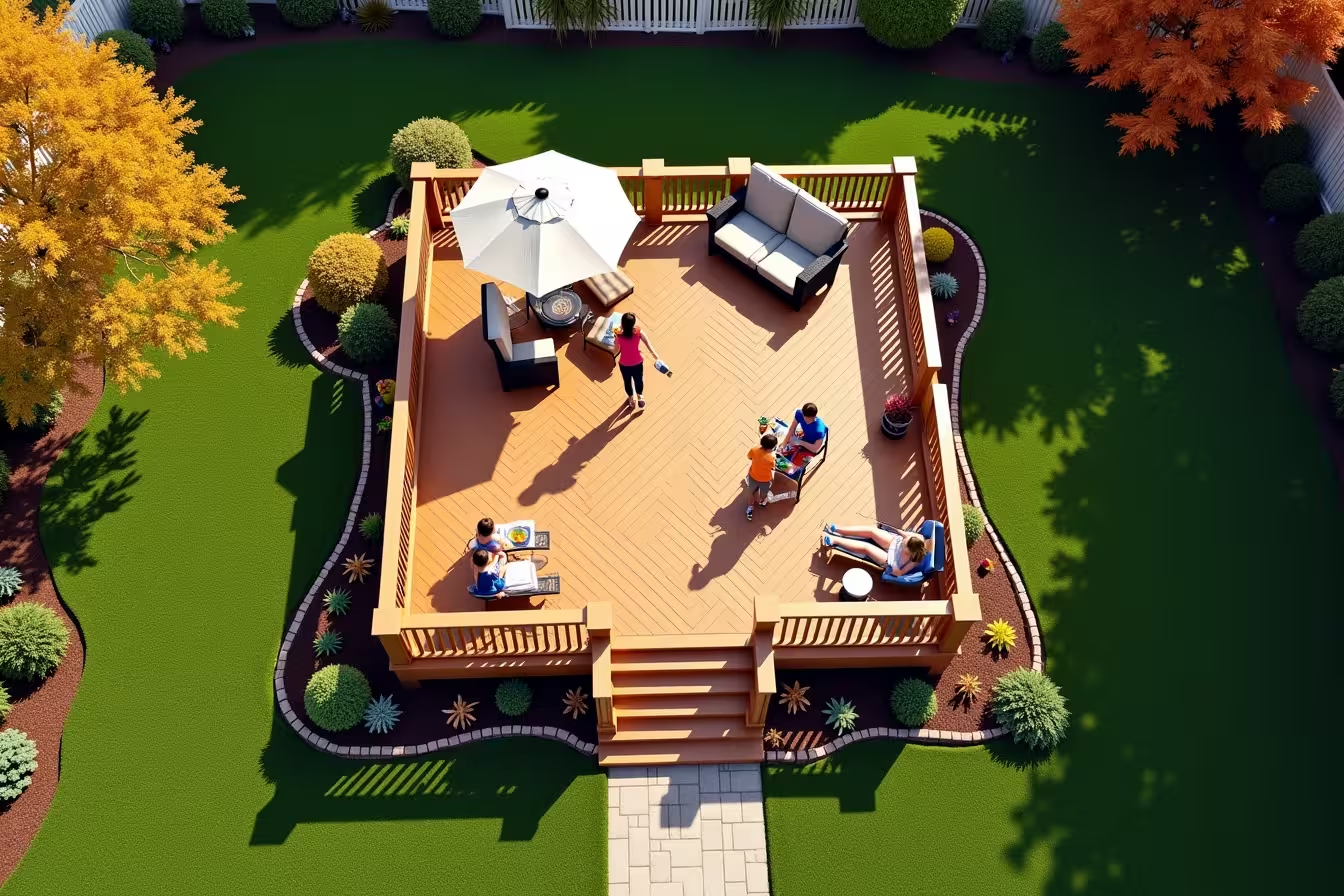
Are you dreaming of a beautiful outdoor space where you can relax, entertain, and create lasting memories with your loved ones? Look no further than your own backyard! In this comprehensive guide, we'll walk you through everything you need to know about building a backyard deck. Whether you're a DIY enthusiast or planning to hire professionals, this Backyard Deck Building Guide will equip you with the knowledge to create the perfect outdoor oasis.
1. Planning Your Deck: The Foundation of Success
Before you dive into the exciting world of deck construction, it's crucial to start with a solid plan. This initial step in your DIY backyard deck journey will set the tone for the entire project. Let's explore the key aspects of planning your dream deck:
Size and Location
First things first: determine the size and location of your deck. Consider your available space and how it relates to your home's architecture. A well-designed deck should complement your house and seamlessly blend with your existing landscape. Think about factors like sun exposure, privacy, and views when deciding on the perfect spot for your outdoor retreat.
Purpose and Functionality
Next, envision how you'll use your deck. Will it primarily serve as an entertainment hub for hosting lively barbecues and gatherings? Or perhaps you're envisioning a tranquil space for quiet relaxation and yoga sessions? Maybe you need a safe play area for your children or pets? Understanding the primary function of your deck will guide your design decisions and help you create a space that truly meets your needs.
Design and Style
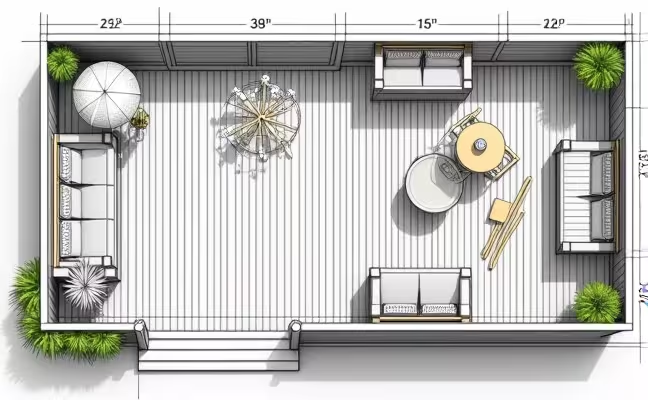
Now comes the fun part – designing your deck! Consider the overall style of your home and how your deck can enhance it. Do you prefer a classic wood look or a more modern composite design? Think about features like built-in seating, planters, or even a pergola for shade. Don't forget about railings, stairs, and lighting – these elements not only add safety but also contribute to the overall aesthetics of your deck.
2. Understanding Building Regulations and Permits
Before you start gathering materials or swinging hammers, it's essential to familiarize yourself with local building codes and regulations. This step is crucial in any Deck Construction Tips guide, as failing to comply with local laws can result in costly fines or even having to tear down your newly built deck.
Research Local Requirements
Start by contacting your local building department or visiting their website. Many municipalities have specific requirements for deck construction, including:
- Minimum distance from property lines
- Maximum height and size restrictions
- Structural requirements for load-bearing capacity
- Railing height and spacing regulations
- Stair specifications
Obtain Necessary Permits
Once you understand the requirements, apply for the necessary permits. This typically involves submitting detailed plans of your proposed deck, including measurements, materials, and structural details. While it might seem like an extra hassle, obtaining proper permits ensures that your deck is safe, legal, and won't cause issues if you decide to sell your home in the future.
3. Choosing the Right Materials: A Critical Decision in How to Build a Deck
Selecting the right materials for your deck is a crucial decision that will impact its appearance, durability, and maintenance requirements. Let's explore some popular options:
Wood: Natural Beauty with Maintenance Needs
Wood remains a popular choice for many homeowners due to its natural beauty and affordability. Common wood options include:
- Pressure-treated lumber: Affordable and resistant to rot and insects
- Cedar: Naturally resistant to decay and insects, with a beautiful reddish hue
- Redwood: Durable and naturally resistant to rot, with a rich, warm color
- Tropical hardwoods (like Ipe): Extremely durable and resistant to decay, but more expensive
While wood offers a classic look, it requires regular maintenance, including cleaning, sealing, and occasional staining or painting to maintain its appearance and protect it from the elements.
Composite Decking: Low Maintenance and Durability
Composite decking has gained popularity in recent years due to its low maintenance requirements and long-lasting durability. Made from a mixture of wood fibers and recycled plastics, composite decking offers several advantages:
- Resistance to rot, insects, and weather damage
- No need for staining or sealing
- Available in a wide range of colors and wood-like textures
- Eco-friendly option using recycled materials
While composite decking comes with a higher upfront cost, many homeowners find that the long-term savings in maintenance time and expenses make it a worthwhile investment.
PVC Decking: Ultimate Durability
PVC decking is another low-maintenance option that offers excellent durability. Made entirely of plastic, PVC decking is resistant to moisture, insects, and UV rays. It's available in various colors and textures, mimicking the look of wood without the maintenance requirements. However, it's generally the most expensive decking option.
4. Preparing the Ground: A Solid Foundation for Your DIY Backyard Deck
Proper ground preparation is essential for ensuring the stability and longevity of your deck. Follow these steps to create a solid foundation:
Clear and Level the Area
Start by removing any vegetation, rocks, or debris from the area where your deck will be built. Use a string level and stakes to mark the perimeter of your deck, ensuring it's square with your house. If your yard has a slight slope, you may need to do some grading to create a level surface.
Install Footings
Deck footings provide crucial support for your deck's structure. The number and placement of footings will depend on your deck's size and local building codes. Typically, you'll need to dig holes for your footings below the frost line to prevent shifting during freeze-thaw cycles. Fill these holes with concrete and install post anchors to secure your support posts.
Add a Weed Barrier
To prevent weeds from growing under your deck, consider laying down a weed barrier fabric. This simple step can save you maintenance headaches down the road.
5. Building the Deck Frame: The Backbone of Your Outdoor Deck Building Project
With the ground prepared, it's time to build the frame of your deck. This step is crucial for ensuring the structural integrity of your outdoor space.
Install the Ledger Board
The ledger board is the main point of attachment between your deck and your house. It's critical to install this correctly to prevent water damage and ensure your deck is secure. Here's how:
- Remove siding where the ledger board will be attached
- Install flashing to prevent water from seeping behind the ledger
- Secure the ledger board to the house using lag screws or bolts, ensuring it's level
Install Support Posts and Beams
Next, install the support posts into your concrete footings. These will hold up the beams that support your joists. Make sure your posts are plumb (perfectly vertical) and securely fastened to the post anchors.
Add Joists
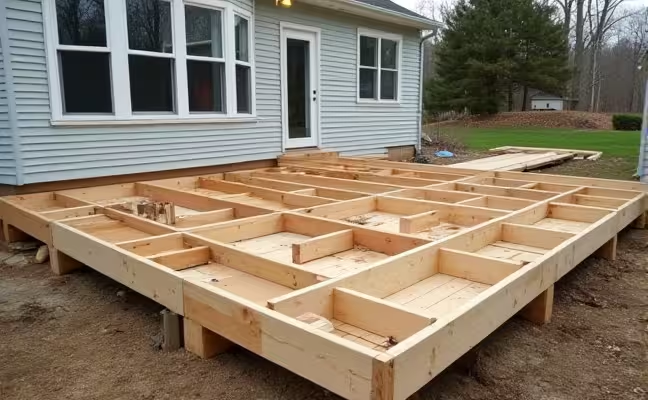
Joists are the horizontal framing members that will support your decking boards. Install joist hangers on your ledger board and beam, then secure your joists in place. Remember to maintain proper spacing according to your local building codes and the decking material you've chosen.
Check for Level and Square
Throughout the framing process, continually check that your structure is level and square. This will ensure your finished deck looks professional and functions properly.
6. Laying the Decking: Bringing Your Backyard Deck Building Guide to Life
With your frame complete, it's time to install the decking boards – the part of your deck you'll see and walk on every day.
Choose Your Pattern
Before you start laying boards, decide on your decking pattern. Common options include:
- Straight: Boards run parallel to your house
- Diagonal: Boards are laid at a 45-degree angle to the joists
- Herringbone: Creates a visually interesting zigzag pattern
Start Laying Boards
Begin at the outer edge of your deck and work your way towards the house. Use spacers between boards to ensure consistent gaps for water drainage. Secure each board with deck screws, being careful not to overdrive them.
Cut and Fit as Needed
As you reach obstacles like posts or the house, you'll need to cut boards to fit. Take accurate measurements and use a circular saw or jigsaw to make precise cuts.
7. Adding Railings and Stairs: Safety and Style in Your Outdoor Deck Building
Railings and stairs not only provide essential safety features but also contribute significantly to the overall look of your deck.
Install Railings
If your deck is more than 30 inches off the ground, railings are typically required by building codes. Here's a basic process:
- Install post bases to your deck frame
- Secure railing posts into the bases
- Attach top and bottom rails between posts
- Install balusters between the rails
Build Stairs
Building stairs requires precise calculations to ensure they're safe and comfortable to use. Key steps include:
- Calculate the rise (height) and run (depth) of each step
- Cut and install stringers (the diagonal supports for your steps)
- Attach treads (the horizontal surfaces you step on) and risers (the vertical parts of each step)
8. Protecting Your Deck: Ensuring Longevity in Your DIY Backyard Deck
Once your deck is built, it's crucial to protect it from the elements to ensure it lasts for years to come.
Sealing Wood Decks
If you've used wood for your deck, apply a high-quality sealer or stain to protect it from moisture and UV damage. Reapply every 1-3 years, depending on your climate and the product used.
Cleaning and Maintenance
Regular cleaning is essential for all deck types. Sweep regularly and perform a deep clean at least once a year. For composite decking, follow the manufacturer's cleaning recommendations.
Regular Inspections
Inspect your deck annually for any signs of damage, loose boards, or protruding nails. Catching and addressing issues early can prevent more significant problems down the line.
9. Landscaping Around Your Deck: The Final Touch in How to Build a Deck
Enhance the beauty of your new deck by considering the surrounding landscape:
- Plant flowers or shrubs around the base of your deck for a pop of color
- Install landscape lighting to create ambiance and improve safety
- Create a pathway leading to your deck using pavers or gravel
- Consider adding a water feature or fire pit nearby for added enjoyment
10. Deck Maintenance: Keeping Your Outdoor Oasis in Top Shape
Regular maintenance is key to preserving the beauty and functionality of your deck. Here are some tips to keep your deck looking great year after year:
Annual Deep Clean
Each spring, give your deck a thorough cleaning. For wood decks, use a power washer on a low setting or a stiff-bristled brush with a deck cleaner. For composite decks, warm soapy water and a soft-bristled brush usually suffice. Always follow the manufacturer's recommendations.
Inspect and Repair
During your annual cleaning, inspect your deck for any signs of damage:
- Look for loose, warped, or rotting boards
- Check for popped nails or loose screws
- Examine railings and stairs for stability
- Look for signs of pest infestation
Address any issues promptly to prevent further damage.
Reseal or Restain
For wood decks, plan to reseal or restain every 2-3 years, or as needed based on wear and tear. This protects the wood from moisture and UV damage, extending the life of your deck.
Furniture Care
Don't forget about your deck furniture! Clean and store it properly during off-seasons to prevent damage to both the furniture and your deck surface.
Conclusion: Your Dream Deck Awaits
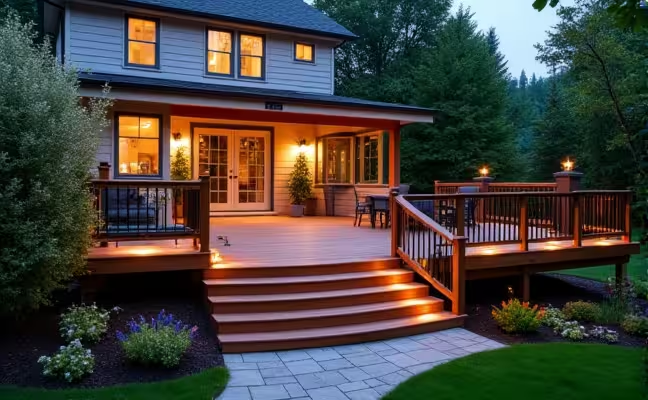
Building a backyard deck is a rewarding project that can dramatically enhance your outdoor living space. By following this Backyard Deck Building Guide, you're well on your way to creating a beautiful, functional, and long-lasting deck. Remember, the key to success lies in careful planning, choosing the right materials, and paying attention to details throughout the construction process.
While this guide provides a comprehensive overview of how to build a deck, it's important to recognize that deck construction can be a complex undertaking. If you feel overwhelmed or unsure about any aspect of the project, don't hesitate to seek professional help. As someone who's been through the process, I can attest that sometimes, expert assistance can make all the difference in achieving the deck of your dreams.
That's where simpleHome comes in. This fantastic platform connects homeowners like you with local professionals who specialize in deck construction and other home improvement projects. Whether you need help with design, construction, or just want some expert advice, simpleHome can match you with the right pro for your needs. It's a great resource to ensure your DIY backyard deck project is a resounding success!
So, are you ready to transform your backyard into the outdoor oasis you've always dreamed of? With this guide and the right support, your perfect deck is just a project away. Happy building!