


How to Extend the Lifespan of Your HVAC System

Your home's heating, ventilation, and air conditioning (HVAC) system is a vital component that keeps you comfortable throughout the year. However, like any complex machinery, it requires proper care and attention to function efficiently and last as long as possible. In this comprehensive guide, we'll explore various HVAC maintenance tips and strategies for extending HVAC lifespan, ensuring you get the most out of your investment. By following these recommendations, you'll not only prolong your HVAC system but also improve its performance and reduce energy costs.
1. Embrace Regular Maintenance: The Key to HVAC System Longevity
One of the most crucial HVAC maintenance tips is to establish a consistent professional maintenance schedule. Regular check-ups by qualified technicians can significantly contribute to extending HVAC lifespan. These experts have the knowledge and tools to identify and address minor issues before they escalate into major problems, potentially saving you from costly repairs down the line.
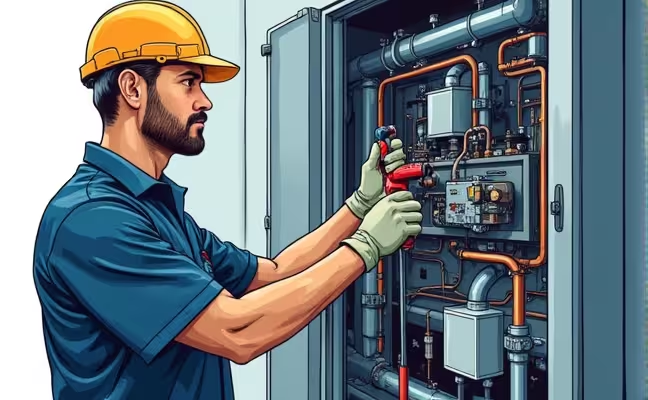
During a typical maintenance visit, a technician will perform a series of tasks designed to keep your HVAC system in top condition. These may include:
- Inspecting and cleaning the condenser and evaporator coils
- Checking refrigerant levels and testing for leaks
- Lubricating moving parts to reduce friction and wear
- Tightening electrical connections
- Verifying thermostat accuracy and calibration
- Examining ductwork for leaks or damage
By scheduling professional maintenance at least twice a year – ideally in spring and fall – you're taking a proactive approach to HVAC system care. This not only helps in extending HVAC lifespan but also ensures that your system is ready to handle the demands of extreme weather conditions.
2. The Power of Clean Filters: A Simple Yet Effective HVAC Maintenance Tip
One of the easiest and most impactful ways to contribute to your HVAC system longevity is by regularly cleaning or replacing its filters. Filters play a crucial role in trapping airborne particles such as dust, pollen, and pet dander, preventing them from circulating through your home and potentially damaging your HVAC system.
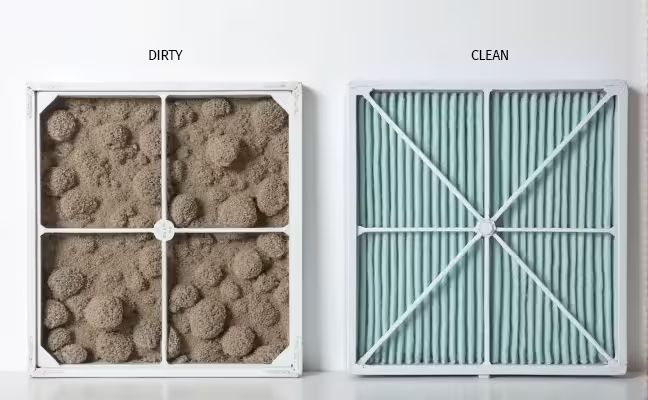
When filters become clogged with debris, they force your HVAC system to work harder to push air through, leading to increased energy consumption and unnecessary strain on the system. This extra effort can significantly shorten the lifespan of your HVAC components. To avoid this, make it a habit to check your filters monthly and clean or replace them as needed.
The frequency of filter replacement depends on various factors, including:
- The type of filter you're using (disposable vs. reusable)
- The air quality in your area
- Whether you have pets
- The number of people in your household
- Any ongoing construction or renovation in your home
As a general rule, aim to replace disposable filters every 1-3 months, or clean reusable filters according to the manufacturer's instructions. This simple HVAC maintenance tip can go a long way in extending HVAC lifespan and improving indoor air quality.
3. Harness the Power of Smart Technology: Programmable Thermostats
Incorporating smart technology into your HVAC system care routine can have a significant impact on its longevity. One of the most effective ways to do this is by installing a programmable thermostat. These devices allow you to create custom temperature schedules that align with your daily routines, ensuring your HVAC system isn't working unnecessarily when you're away or asleep.
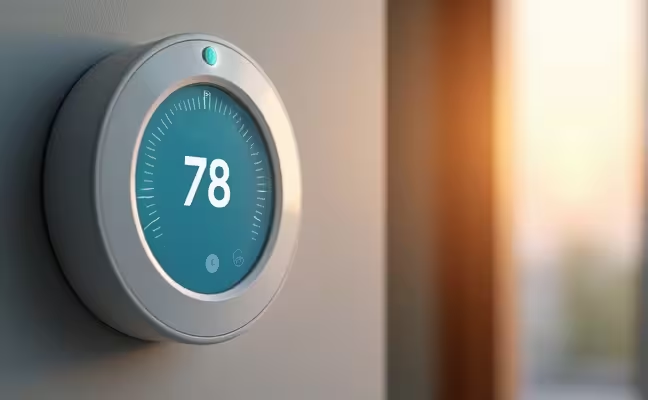
By reducing the workload on your HVAC system, a programmable thermostat can contribute significantly to extending HVAC lifespan. Here's how you can maximize the benefits of a programmable thermostat:
- Set higher temperatures in summer and lower temperatures in winter when you're away or asleep
- Program the thermostat to adjust temperatures shortly before you wake up or return home
- Take advantage of "vacation" modes when you're away for extended periods
- Use the thermostat's data to analyze your energy usage and make informed decisions about your HVAC habits
Some advanced programmable thermostats even learn your preferences over time and can make automatic adjustments, further optimizing your HVAC system's performance and contributing to its longevity.
4. Don't Neglect the Outdoor Unit: A Critical Aspect of HVAC System Care
While indoor components often get the most attention, the outdoor unit of your HVAC system plays a crucial role in its overall performance and lifespan. Exposed to the elements year-round, the outdoor unit faces unique challenges that require specific care and attention.
To ensure your outdoor unit contributes positively to your HVAC system longevity, consider the following tips:
- Keep the area around the unit clear of debris, leaves, and vegetation
- Ensure at least two feet of clearance around the unit for proper airflow
- Gently clean the unit's fins with a soft brush or vacuum to remove dirt and debris
- Check for and repair any bent fins, which can impede airflow
- Cover the unit during winter months to protect it from ice and snow (but remember to remove the cover before use)
- Regularly inspect for signs of damage or wear, such as rust or loose components
By incorporating these outdoor unit care practices into your regular HVAC maintenance routine, you're taking important steps toward extending HVAC lifespan and ensuring optimal performance throughout the year.
5. The Insulation Factor: An Often Overlooked Aspect of HVAC System Longevity
While not directly part of your HVAC system, your home's insulation plays a crucial role in its efficiency and longevity. Proper insulation helps maintain consistent indoor temperatures, reducing the workload on your HVAC system and contributing to its overall lifespan.
Consider these insulation-related tips to support your HVAC system care efforts:
- Evaluate your home's current insulation, paying special attention to attics, walls, and crawl spaces
- Address any gaps or areas with inadequate insulation
- Consider upgrading to more efficient insulation materials if your home is older
- Don't forget about duct insulation, which can prevent energy loss as air travels through your home
- Use weatherstripping around doors and windows to prevent drafts
- Consider installing radiant barriers in attics to reflect heat and reduce cooling demands in summer
By improving your home's insulation, you're not only extending HVAC lifespan but also creating a more comfortable living environment and potentially reducing your energy bills.
6. The Importance of Balancing: Ensuring Even Distribution for HVAC System Longevity
A well-balanced HVAC system is crucial for both comfort and longevity. When your system is properly balanced, it means that air is distributed evenly throughout your home, preventing some areas from being overworked while others are underserved. This balance is key to how to prolong HVAC system life and maintain consistent comfort levels.
Here are some steps you can take to ensure your HVAC system is well-balanced:
- Have a professional perform a room-by-room load calculation to determine proper airflow needs
- Adjust dampers in your ductwork to direct air where it's needed most
- Consider installing zoning systems for more precise control over different areas of your home
- Regularly clean and maintain your air vents and registers to ensure unobstructed airflow
- Address any hot or cold spots in your home, as these may indicate balancing issues
A balanced system not only contributes to HVAC system longevity but also improves overall comfort and energy efficiency in your home.
7. Minimizing Heat Gain and Loss: A Holistic Approach to HVAC System Care
Another effective strategy for extending HVAC lifespan is to minimize the amount of heat your home gains in summer and loses in winter. By reducing these temperature fluctuations, you're lessening the workload on your HVAC system, which can significantly contribute to its longevity.
Consider implementing these measures to minimize heat gain and loss:
- Install energy-efficient windows or apply reflective window films
- Use heavy curtains or blinds to block out sun during the hottest parts of the day
- Plant shade trees or install awnings to reduce direct sunlight on your home
- Seal any air leaks around windows, doors, and other openings
- Use ceiling fans to improve air circulation and reduce reliance on your HVAC system
- Opt for energy-efficient appliances that generate less heat
- Consider light-colored roofing materials to reflect more sunlight
By taking a comprehensive approach to managing your home's temperature, you're not only extending HVAC lifespan but also creating a more energy-efficient and comfortable living environment.
8. Embrace Technological Advancements: Regular System Upgrades
While it might seem counterintuitive, regularly upgrading components of your HVAC system can actually contribute to its overall longevity. As technology advances, newer parts often offer improved efficiency and performance, which can reduce strain on the system as a whole.
Consider these upgrade options as part of your long-term HVAC system care strategy:
- Replace older thermostats with smart, programmable models
- Upgrade to more energy-efficient air handlers or blower motors
- Consider variable-speed compressors for more precise temperature control
- Explore air purification systems to reduce strain on filters and improve indoor air quality
- Investigate ductless mini-split systems for problematic areas or additions to your home
While these upgrades may require an initial investment, they can pay off in the long run by extending HVAC lifespan and reducing energy costs.
9. The Power of Zoning: Customized Comfort and Efficiency
Zoning systems are an excellent way to improve both the efficiency and lifespan of your HVAC system. By dividing your home into different temperature zones, you can avoid overworking your system to heat or cool areas that don't need it.
Here's how zoning can contribute to extending HVAC lifespan:
- Reduces overall system runtime by only conditioning occupied areas
- Allows for customized comfort in different parts of your home
- Minimizes temperature fluctuations, reducing system strain
- Can help address issues with multi-story homes or areas with large windows
- Improves energy efficiency, potentially extending the life of your system
While implementing a zoning system may require professional installation, it's an investment that can significantly contribute to your HVAC system longevity.
10. The Foundation of Longevity: Professional Installation
Last but certainly not least, one of the most critical factors in extending HVAC lifespan is ensuring that your system is professionally installed from the start. A properly installed HVAC system sets the foundation for years of efficient operation and can prevent many issues that might otherwise shorten its lifespan.
Here's why professional installation is crucial for HVAC system longevity:
- Ensures the system is correctly sized for your home's specific needs
- Guarantees proper placement of indoor and outdoor units for optimal performance
- Ensures correct refrigerant charge, which is critical for system efficiency
- Includes proper ductwork design and installation for balanced airflow
- Often comes with warranties and ongoing support from the installation company
While it may be tempting to cut costs with DIY installation or by hiring non-certified technicians, the long-term benefits of professional installation far outweigh the initial savings.
Conclusion: A Comprehensive Approach to HVAC System Longevity
Extending the lifespan of your HVAC system requires a multifaceted approach that combines regular maintenance, thoughtful upgrades, and proactive care. By implementing these HVAC maintenance tips and strategies for extending HVAC lifespan, you're not only ensuring the longevity of your system but also improving its efficiency, reducing energy costs, and maintaining a comfortable home environment.
Remember, the key to HVAC system longevity lies in consistent care and attention. Don't wait for problems to arise before addressing your system's needs. By taking a proactive approach to HVAC system care, you'll be rewarded with years of reliable performance and comfort.
As a homeowner myself, I understand how overwhelming it can be to manage all aspects of home maintenance, including HVAC care. That's why I'm excited about simpleHome, a platform that connects homeowners like us with local professionals who specialize in HVAC maintenance and repair. Whether you need help implementing these tips or require more extensive HVAC services, simpleHome can help you find the right expert for the job, ensuring your system receives the care it needs to last for years to come.