


The Best Plants for Indoor Air Quality

In our quest for sustainable living, we often overlook one of the most important aspects of our daily lives - the air we breathe indoors. With growing concerns about indoor air pollution, many homeowners are turning to nature's own air purifiers: houseplants. In this comprehensive guide, we'll explore the best indoor plants for air quality, discussing how these green companions can help create a healthier living environment while adding a touch of natural beauty to your home.
Why Indoor Air Quality Matters
Before we dive into our list of air purifying plants, it's crucial to understand why indoor air quality is so important. Many of us spend a significant portion of our lives indoors, whether at home or in the office. Unfortunately, indoor air can be up to five times more polluted than outdoor air, according to the Environmental Protection Agency (EPA). This pollution comes from various sources, including cleaning products, furniture, carpets, and even the materials used to build our homes.
Poor indoor air quality can lead to a range of health issues, from minor irritations like headaches and fatigue to more serious conditions such as respiratory problems and allergies. This is where indoor plants that clean the air come into play, offering a natural and aesthetic solution to improve the air we breathe.
The Science Behind Air Purifying Plants
Plants have been naturally cleaning our air for millions of years. Through photosynthesis, they absorb carbon dioxide and release oxygen. But their air-purifying abilities go beyond this basic process. Many houseplants for better air quality can also absorb and neutralize harmful volatile organic compounds (VOCs) such as formaldehyde, benzene, and trichloroethylene, which are commonly found in indoor environments.
NASA's Clean Air Study, conducted in the late 1980s, was groundbreaking in identifying specific plants that are most effective at removing these harmful substances from the air. Since then, numerous studies have confirmed and expanded upon these findings, solidifying the role of certain plants as natural air purifiers.
Top 10 Best Indoor Plants for Air Quality
Now, let's explore the top 10 houseplants that clean the air and remove toxins, making them excellent choices for improving your indoor air quality.
1. Snake Plant (Sansevieria trifasciata)
The Snake Plant, also known as Mother-in-Law's Tongue, is a champion among air purifying plants. It's particularly effective at filtering out formaldehyde, xylene, and nitrogen oxides from the air. What makes the Snake Plant even more appealing is its low maintenance nature. It requires minimal watering and can thrive in indirect sunlight, making it perfect for various indoor environments.
2. Spider Plant (Chlorophytum comosum)
Spider Plants are not only visually appealing with their arching leaves, but they're also powerhouses when it comes to air purification. These plants have a high rate of photosynthesis, allowing them to effectively absorb pollutants like carbon monoxide and xylene. An added bonus? Spider Plants are non-toxic, making them safe for households with pets.
3. Peace Lily (Spathiphyllum)
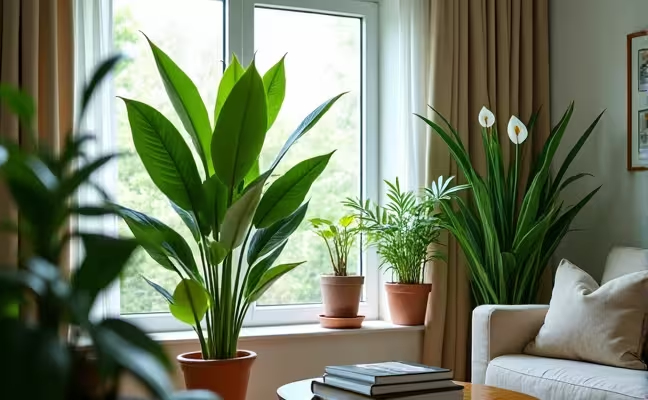
Peace Lilies are elegant plants that pack a punch when it comes to air purification. They're particularly effective at removing benzene and formaldehyde from the air. Additionally, Peace Lilies can increase humidity levels, which is beneficial in dry indoor environments. These plants thrive in low light conditions and require less frequent watering, making them easy to care for.
4. Boston Fern (Nephrolepis exaltata)
Boston Ferns are excellent choices for improving indoor air quality. These lush, green plants act as natural humidifiers and are particularly adept at removing toxins like xylene and formaldehyde from the air. Boston Ferns prefer a cool environment with high humidity and indirect sunlight, making them perfect for bathrooms or kitchens.
5. Aloe Vera (Aloe barbadensis miller)
Aloe Vera is well-known for its medicinal properties, but it's also a fantastic air purifier. This succulent releases oxygen at night and effectively removes pollutants like benzene and formaldehyde from the air. Aloe Vera plants are easy to care for, requiring minimal watering and plenty of sunlight.
6. Rubber Plant (Ficus elastica)
Rubber Plants are not only striking in appearance but also highly effective at removing toxins from the air, particularly formaldehyde. These plants are relatively low-maintenance, thriving in low light conditions and requiring infrequent watering. Their large, glossy leaves make them an attractive addition to any room.

7. English Ivy (Hedera helix)
English Ivy is a versatile and potent air purifier. It's particularly effective at reducing airborne mold particles, making it an excellent choice for bathrooms or areas prone to dampness. English Ivy also excels at absorbing formaldehyde, further cementing its status as one of the best indoor plants for air quality. This plant thrives in moderate sunlight and requires regular watering.
8. Golden Pothos (Epipremnum aureum)
Golden Pothos, also known as Devil's Ivy, is a hardy plant that's excellent at removing formaldehyde, xylene, and benzene from the air. What makes Golden Pothos particularly appealing is its ability to thrive in a variety of light conditions, from low light to bright, indirect sunlight. Its trailing vines make it a popular choice for hanging baskets or as a decorative element on shelves.
9. Bamboo Palm (Chamaedorea seifrizii)
Bamboo Palms are not only elegant but also highly effective at filtering out both benzene and trichloroethylene from the air. These plants also increase humidity, making them beneficial for dry indoor environments. Bamboo Palms prefer indirect sunlight and regular watering, making them ideal for spaces like living rooms or home offices.
10. Philodendron
Philodendrons are known for their ability to absorb and strip the air of higher concentrations of formaldehyde. These plants come in various species, from trailing vines to large-leafed varieties, offering options to suit different aesthetic preferences. Philodendrons thrive in indirect sunlight and require regular watering, making them a versatile choice for indoor placement.
Maximizing the Air-Purifying Benefits of Your Indoor Plants
To get the most out of your air purifying plants, consider the following tips:
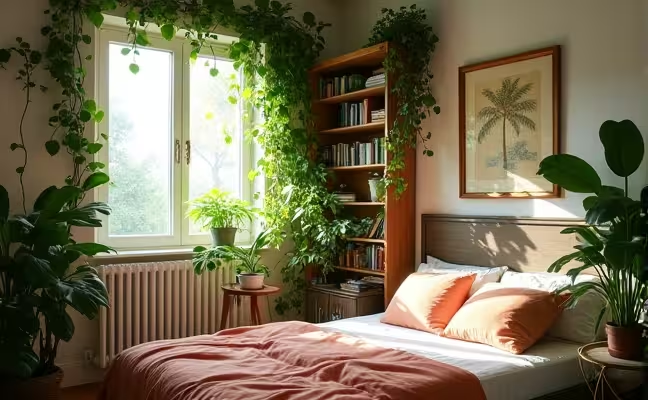
- Placement is key: Place your plants in areas where you spend the most time, such as bedrooms, living rooms, and home offices.
- Quantity matters: While even a single plant can make a difference, NASA recommends using 15 to 18 good-sized houseplants in 6 to 8-inch diameter containers for an 1800 square foot home.
- Maintain your plants: Regularly dust the leaves of your plants to ensure they can effectively absorb pollutants. This also helps them photosynthesize more efficiently.
- Rotate your plants: Occasionally rotating your plants ensures all sides receive adequate light, promoting healthier growth and more effective air purification.
- Consider combining plants: Different plants excel at removing different toxins, so consider having a variety of species for comprehensive air purification.
Beyond Air Purification: Additional Benefits of Indoor Plants
While we've focused on the air-purifying qualities of these plants, it's worth noting that incorporating houseplants into your living spaces offers numerous other benefits:
- Stress reduction: Studies have shown that the presence of indoor plants can reduce stress levels and promote a sense of well-being.
- Increased productivity: Plants in work environments have been linked to increased productivity and creativity.
- Improved aesthetics: Indoor plants add a touch of natural beauty to any space, enhancing the overall aesthetic of your home.
- Better sleep: Some plants, like Aloe Vera and Snake Plants, release oxygen at night, potentially improving sleep quality.
- Humidity regulation: Many of the plants mentioned, particularly ferns and palms, can help regulate indoor humidity levels.
Conclusion: Breathe Easier with Nature's Air Purifiers
Incorporating the best indoor plants for air quality into your home is a simple yet effective way to improve your living environment. These natural air purifiers not only help remove harmful toxins from the air but also add beauty and life to your spaces. Whether you're a seasoned plant parent or just starting your green journey, there's an air-purifying plant that's perfect for your home and lifestyle.
Remember, while plants are excellent at improving air quality, they work best as part of a comprehensive approach to indoor air health. This includes proper ventilation, regular cleaning, and minimizing the use of harmful chemicals in your home.
As we become more conscious of our impact on the environment and the importance of our indoor living spaces, embracing these green companions is a step towards a healthier, more sustainable lifestyle. So why not start your indoor jungle today and breathe easier knowing you're surrounded by nature's own air purifiers?
If you're looking to make more substantial changes to improve your home's air quality or overall sustainability, I've found simpleHome to be an invaluable resource. As a homeowner myself, I've used their platform to connect with local professionals who specialize in eco-friendly home improvements. Whether you're considering an air purification system or want to explore more sustainable home options, simpleHome can help you find the right experts to bring your vision to life.