


How to Make Your Home More Accessible for Aging in Place
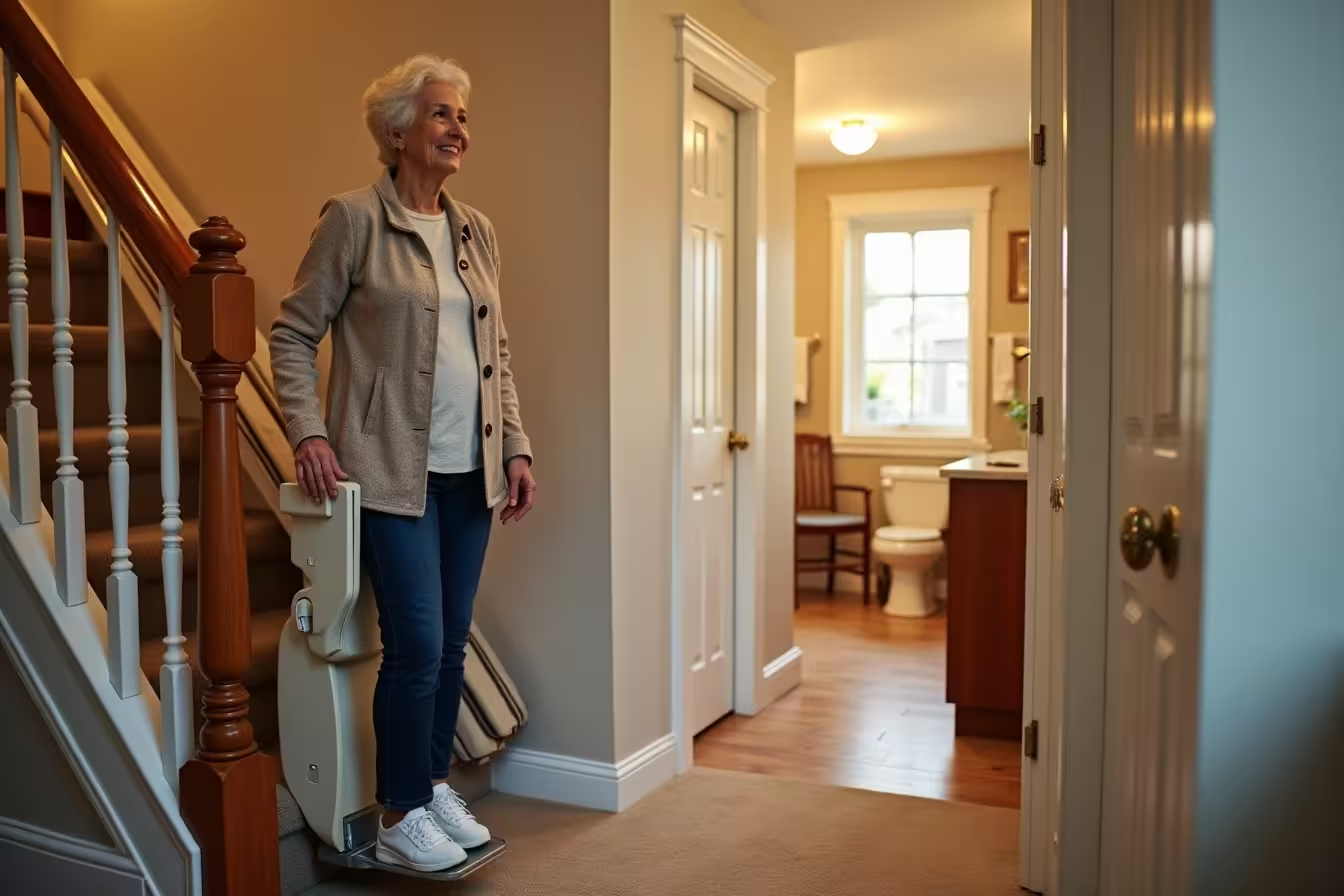
As we grow older, our homes should adapt to our changing needs. Aging in place is a concept that's gaining popularity, allowing seniors to live comfortably and safely in their own homes for as long as possible. This article will explore various home modifications for elderly residents and senior-friendly home design ideas that can transform your living space into a haven of accessibility and comfort.
Understanding the Importance of Accessibility Features for Home
Creating a home that's suitable for aging in place isn't just about making a few changes here and there. It's about reimagining your living space with a focus on safety, comfort, and independence. By incorporating accessibility features for home, you're not only preparing for the future but also enhancing the overall functionality of your living space.

The image above perfectly illustrates some key aging in place tips that we'll discuss in this article. From stylish grab bars to lever-style doorknobs and motion sensor lights, these small changes can make a big difference in the lives of seniors.
10 Essential Home Modifications for Elderly Comfort and Safety
Let's dive into some specific home renovation for aging ideas that can transform your living space into a senior-friendly haven.
1. Install Grab Bars in Key Areas
One of the most crucial aging in place tips is to install grab bars in strategic locations throughout your home. These bars provide essential support and stability, reducing the risk of falls and injuries. Key areas to consider include:
- Bathrooms: Near the toilet, shower, and bathtub
- Bedrooms: By the bed to assist with getting up
- Staircases: Along both sides for added support
When installing grab bars, it's important to ensure they're securely anchored to the wall studs. For a seamless look, choose grab bars that complement your existing decor. Many modern designs blend functionality with style, so you don't have to sacrifice aesthetics for safety.
2. Improve Lighting
Proper lighting is a cornerstone of senior-friendly home design. As we age, our eyesight often deteriorates, making good lighting essential for preventing accidents and maintaining independence. Here are some lighting improvements to consider:
- Install brighter bulbs in existing fixtures
- Add task lighting in the kitchen and bathroom
- Use motion-activated lights for nighttime navigation
- Consider natural light solutions like skylights or larger windows
Motion sensor lights are particularly useful for nighttime trips to the bathroom or kitchen. They automatically turn on when movement is detected, illuminating the way without the need to fumble for light switches in the dark.
3. Consider a Stairlift
For multi-story homes, stairs can pose a significant challenge for seniors. A stairlift can be a game-changer, allowing easy access to upper floors without the risk of falls. When choosing a stairlift, consider the following:
- Weight capacity: Ensure it can safely accommodate the user
- Staircase type: Straight or curved staircases may require different models
- Safety features: Look for seatbelts, obstruction sensors, and easy-to-use controls
- Power source: Battery-operated models can work during power outages
While stairlifts represent a significant investment, they can dramatically improve quality of life and allow seniors to fully utilize all areas of their home.
4. Modify Doorways for Wheelchair Access
Widening doorways is an essential home modification for elderly individuals who use wheelchairs or walkers. Standard doorways should be at least 32 inches wide to accommodate most wheelchairs. Here are some options for modifying doorways:
- Remove the door and frame to widen the opening
- Install offset hinges to gain a few extra inches of clearance
- Consider pocket doors or barn-style sliding doors to save space
Remember, it's not just about width. Ensure there's enough clearance on both sides of the door for easy maneuvering. This might involve rearranging furniture or removing thresholds.
5. Install a Walk-In Tub or Shower
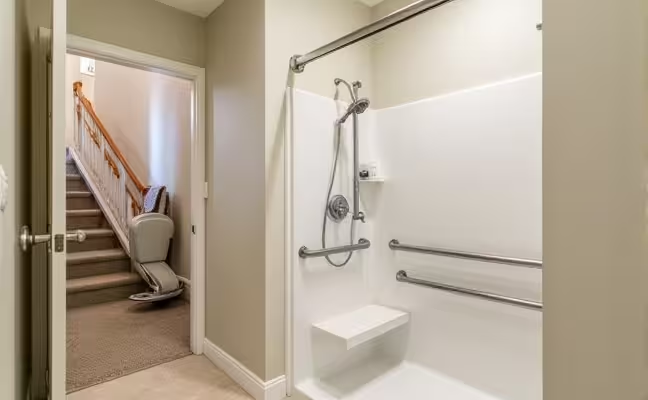
The bathroom can be one of the most dangerous rooms in the house for seniors. Traditional bathtubs with high sides can be difficult and risky to navigate. A walk-in tub or shower can provide a safer and more comfortable bathing experience. Features to look for include:
- Low or no threshold for easy entry
- Built-in seating for comfort and stability
- Handheld showerheads for flexibility
- Non-slip flooring to prevent accidents
- Thermostatic controls to prevent scalding
As shown in the image above, a well-designed bathroom can incorporate multiple accessibility features, creating a safe and comfortable space for seniors.
6. Opt for Slip-Resistant Flooring
Flooring plays a crucial role in home safety for seniors. Slippery surfaces can lead to dangerous falls. When considering flooring options, keep these points in mind:
- Choose materials with good traction, like textured vinyl or low-pile carpet
- Avoid high-gloss finishes that can be slippery when wet
- Consider rubber flooring in areas prone to water, like bathrooms
- Use non-slip mats in the shower and bathtub
Remember, while aesthetics are important, safety should be the primary concern when selecting flooring for an aging-in-place home.
7. Adjust Counter and Cabinet Heights

The kitchen is the heart of the home, and it should be accessible to everyone. Adjusting counter and cabinet heights can make a world of difference for seniors, especially those who use wheelchairs or have difficulty reaching high places. Consider these modifications:
- Lower countertops to 32-34 inches for wheelchair accessibility
- Install pull-out shelves in lower cabinets for easy access
- Use adjustable or varied height countertops to accommodate different needs
- Install upper cabinets a few inches lower than standard height
As shown in the image above, a well-designed kitchen with accessible features can allow seniors to maintain independence and enjoy cooking and meal preparation.
8. Install Lever-Style Doorknobs
Traditional round doorknobs can be challenging for seniors with arthritis or limited hand strength. Lever-style doorknobs are an easy and effective home modification for elderly individuals. They offer several advantages:
- Easy to operate with a closed fist or elbow
- Require less grip strength than traditional knobs
- Available in a variety of styles to match your home's decor
- Can be installed on both interior and exterior doors
This simple change can significantly improve accessibility throughout the home, allowing seniors to move freely from room to room without struggling with door handles.
9. Use Technology for Safety
In today's digital age, technology can play a crucial role in creating a safe and comfortable environment for aging in place. Consider incorporating these tech solutions:
- Medical alert systems for quick access to emergency services
- Automated medication dispensers to ensure proper dosage and timing
- Smart home systems for controlling lights, temperature, and security
- Voice-activated assistants for hands-free control of various devices
These technologies can provide peace of mind for both seniors and their families, ensuring help is always available when needed.
10. Keep Regular Maintenance
Regular home maintenance is crucial for creating a safe environment for aging in place. Here are some key areas to focus on:
- Check for and remove trip hazards like loose rugs or cords
- Ensure all smoke detectors and carbon monoxide detectors are working properly
- Keep emergency numbers easily accessible, perhaps programmed into a speed-dial system
- Regularly inspect and maintain major systems like heating, cooling, and plumbing
By staying on top of home maintenance, you can prevent many potential hazards before they become serious problems.
Bringing It All Together: Creating Your Senior-Friendly Home
Implementing these aging in place tips and home modifications for elderly comfort can seem overwhelming at first. However, remember that you don't have to do everything at once. Start with the most critical areas - typically the bathroom and bedroom - and gradually work your way through the rest of the house.
When planning your home renovation for aging, consider working with a professional who specializes in accessibility design. They can help you create a comprehensive plan that addresses your specific needs and preferences while maintaining the aesthetic appeal of your home.
Remember, the goal of these modifications is not just to make your home safer, but to create an environment where you can thrive and maintain your independence for years to come. By thoughtfully incorporating accessibility features for home, you're investing in your future comfort and well-being.
Conclusion: Embrace the Journey of Aging in Place
Creating a senior-friendly home design is a journey, not a destination. As needs change over time, you may find yourself revisiting and adjusting your home modifications. The key is to stay proactive, continually assessing your living space and making changes as necessary.
By embracing the concept of aging in place and implementing these home modifications for elderly comfort, you're not just preparing for the future - you're enhancing your quality of life right now. A home that's safe, comfortable, and accessible is a home where you can truly relax and enjoy your golden years.
As someone who's passionate about home improvement and accessibility, I've seen firsthand how these changes can transform lives. That's why I'm excited about simpleHome, a platform that connects homeowners with local professionals who specialize in aging-in-place modifications. Whether you're looking to install grab bars, renovate your bathroom, or completely overhaul your home for accessibility, simpleHome can help you find the right experts to bring your vision to life.
Remember, it's never too early to start thinking about aging in place. By taking steps now to make your home more accessible and senior-friendly, you're setting yourself up for a comfortable, safe, and independent future in the home you love.