


Turning Your Attic into a Livable Space
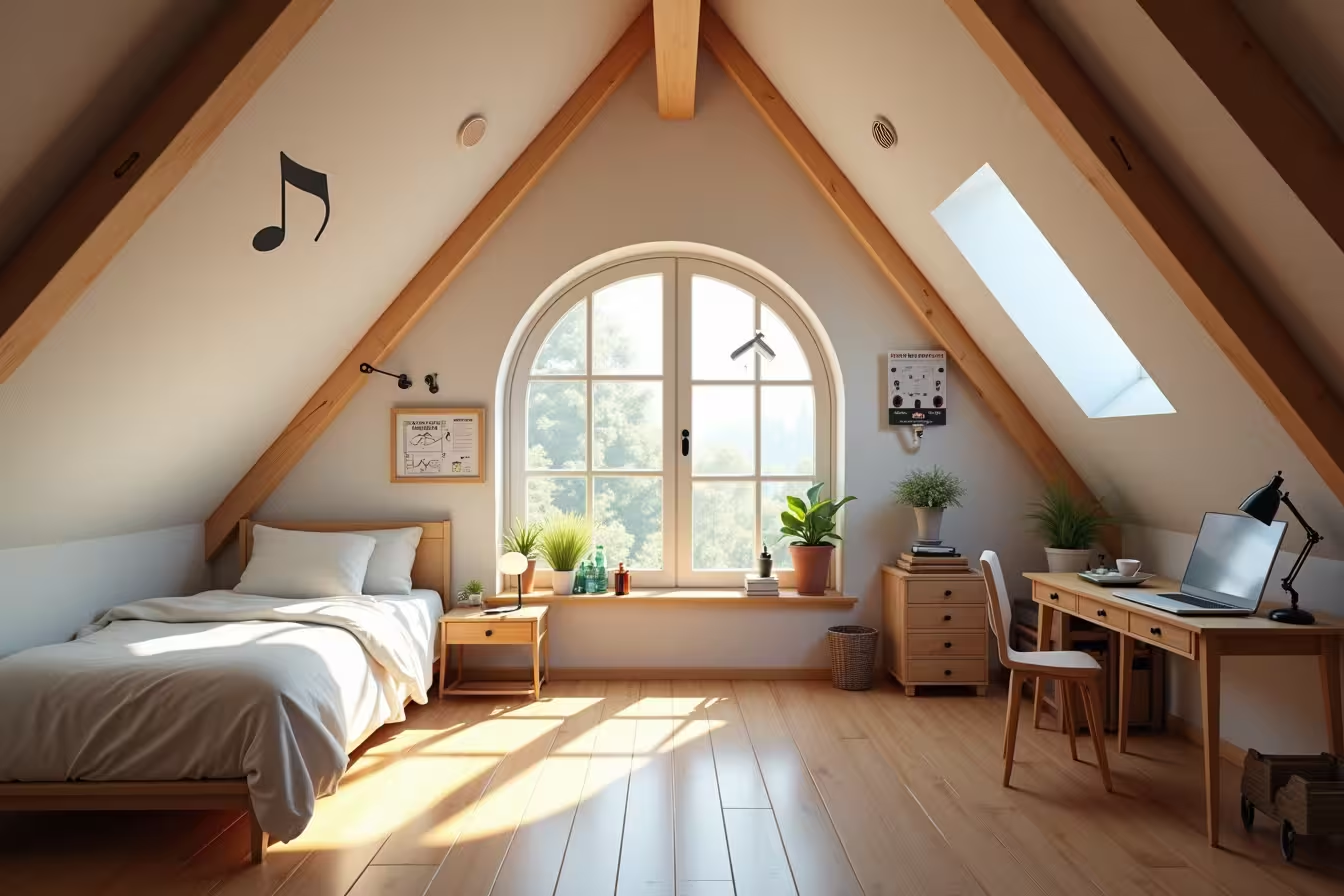
Have you ever looked up at your attic and wondered about its potential? That dusty, forgotten space above your head could be transformed into a cozy bedroom, a productive home office, or even a relaxing retreat. In this guide, we'll explore the process of turning your attic into a livable space, covering everything from attic conversion ideas to the nitty-gritty details of attic renovation costs. Whether you're considering a DIY attic conversion or planning to hire professionals, this article will provide you with valuable insights and tips to make your attic dreams a reality.
1. Assessing Your Attic's Potential
Before diving into attic conversion plans, it's crucial to evaluate your current space. Not all attics are created equal, and some may be better suited for renovation than others. Here's what you need to consider:
- Headroom: The golden rule for attic conversion is having at least 7 feet of height over 50% of the floor area. This ensures comfort and complies with most building codes.
- Access: How easy is it to reach your attic? You might need to install a proper staircase if the current access is just a pull-down ladder.
- Size: Measure the total floor area to determine what kind of room your attic could become.
- Structure: Assess the current framing and determine if it can support a livable space or if reinforcements are needed.
Remember, a thorough assessment at this stage can save you time, money, and headaches down the road. If you're unsure about any aspects, it's worth consulting with a professional to get an expert opinion on your attic's renovation potential.
2. Insulation: The Key to Comfort
One of the most critical aspects of turning an attic into a bedroom or any livable space is proper insulation. Attics are notorious for being too cold in winter and sweltering in summer. High-quality insulation is your best friend in creating a comfortable environment year-round.
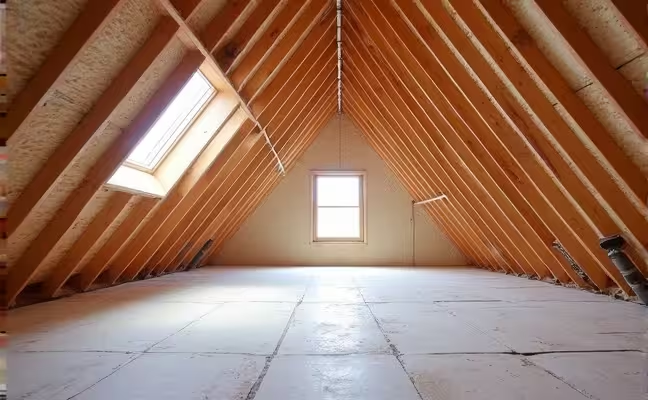
Spray foam insulation is an excellent choice for attics due to its superior thermal performance and ability to seal air leaks. It can be applied to the underside of the roof deck, creating an insulated envelope that significantly reduces heat transfer. While the upfront attic renovation cost might be higher with spray foam, the long-term energy savings and comfort benefits make it a worthwhile investment.
3. Ventilation: Breathing Life into Your Attic
Proper ventilation goes hand in hand with insulation in creating a livable attic space. Without adequate airflow, moisture can accumulate, leading to mold growth and potential structural damage. Here are some ventilation options to consider:
- Roof vents: These allow hot air to escape from the attic's peak.
- Soffit vents: Installed under the eaves, these vents allow cooler air to enter the attic.
- Gable vents: Placed at the gable ends of the attic, these promote cross-ventilation.
- Exhaust fans: These can be installed to actively remove hot, stale air from the attic.
A well-designed ventilation system will work in harmony with your insulation to maintain a comfortable and healthy attic environment.
4. Electrical and Plumbing Considerations
If your attic conversion ideas include adding a bathroom or kitchenette, you'll need to plan for electrical and plumbing installations. This is where DIY attic conversion enthusiasts might want to step back and let the professionals take over.
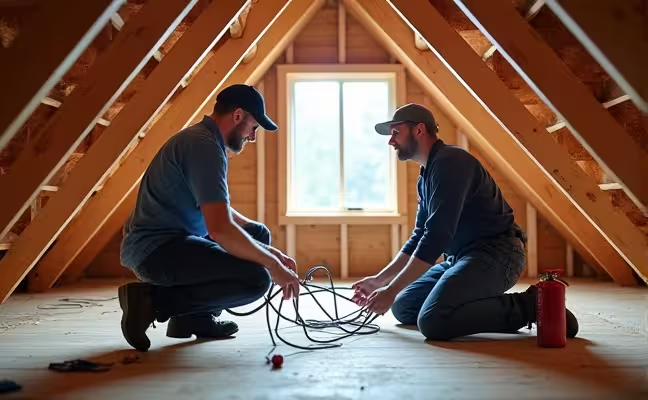
Electrical work in an attic can be complex due to limited space and the need to run new wiring from the main panel. A licensed electrician can ensure that all electrical installations meet local codes and safety standards. They can also help you plan for adequate lighting and power outlets throughout the space.
Plumbing in an attic conversion presents its own set of challenges. Gravity is your friend when it comes to plumbing, so careful planning is needed to ensure proper drainage. A professional plumber can help design a system that works efficiently and doesn't compromise the structural integrity of your home.
5. Lighting: Brightening Up Your New Space
Attics often lack natural light, which makes artificial lighting crucial in creating a welcoming atmosphere. When turning an attic into a bedroom or any other livable space, consider a layered lighting approach:
- General lighting: Recessed lights or flush-mount fixtures can provide overall illumination without eating into your headroom.
- Task lighting: Desk lamps, reading lights, or under-cabinet lighting can illuminate specific areas for activities.
- Accent lighting: Wall sconces or LED strips can add ambiance and highlight architectural features.
Don't forget to explore options for adding natural light, such as skylights or dormer windows, if your budget and roof structure allow. These can dramatically transform the feel of your attic space.
6. Soundproofing: Creating a Peaceful Retreat
Soundproofing is often overlooked in attic conversion plans, but it's essential for creating a truly livable space. Attics can be noisy due to their proximity to the roof and potential echoing. Here are some soundproofing techniques to consider:
- Install sound-absorbing insulation in walls and floors.
- Use mass-loaded vinyl barriers between layers of drywall.
- Add acoustic panels or fabric-wrapped foam to walls and ceilings.
- Choose carpeting or area rugs to reduce sound transmission through the floor.
Effective soundproofing can turn your attic into a quiet oasis, perfect for a peaceful bedroom or a focused home office.
7. Interior Design: Maximizing Your Attic's Potential
Now comes the fun part – designing your new attic space! Whether you're turning your attic into a bedroom, office, or multi-purpose area, clever design can make the most of the unique architecture.
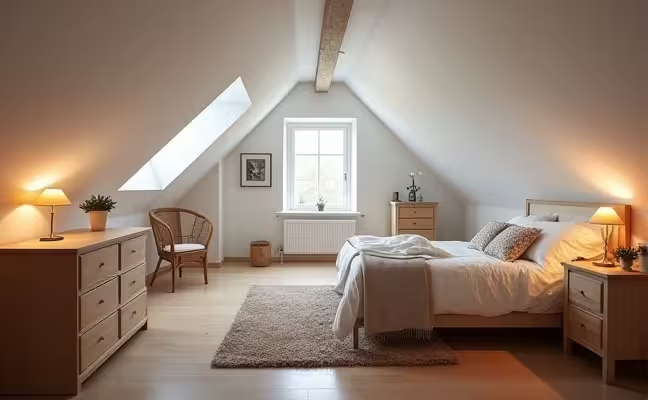
Here are some attic conversion ideas to inspire your design:
- Use built-in furniture to maximize floor space and create storage.
- Opt for light colors on walls and ceilings to make the space feel larger and brighter.
- Embrace sloped ceilings by creating cozy nooks or window seats.
- Install skylights or dormer windows to bring in natural light and create focal points.
- Use multi-functional furniture, like a sofa bed, to make the space adaptable.
Remember, the key to successful attic design is working with the unique features of the space rather than against them.
8. Safety First: Essential Measures for Your Attic Conversion
Safety should be a top priority in any attic renovation. Here are some crucial safety measures to incorporate into your attic conversion plans:
- Install smoke detectors and carbon monoxide alarms.
- Ensure there's a proper emergency exit, such as an egress window.
- Keep a fire extinguisher easily accessible.
- Check that the floor can support the additional weight of furniture and occupants.
- Ensure all electrical work is up to code and inspected by a professional.
These safety measures not only protect you and your family but are often required by building codes for attic conversions.
9. Navigating Building Codes and Regulations
Before you start swinging hammers or ordering materials, it's crucial to understand and adhere to local building codes and regulations. These rules ensure that your attic conversion is safe, legal, and up to standard. Here's what you need to know:
- Obtain necessary permits before starting work.
- Understand minimum requirements for ceiling height, floor space, and emergency exits.
- Ensure your plans meet fire safety regulations.
- Schedule required inspections throughout the renovation process.
While navigating building codes can seem daunting, it's an essential step in creating a safe and compliant attic living space. Consider consulting with a local contractor or architect who is familiar with your area's specific requirements.
10. DIY vs. Professional Help: Making the Right Choice
When it comes to attic conversion, the DIY route can be tempting, especially for those handy with tools. While some aspects of the renovation might be suitable for DIY, others are best left to professionals. Here's a general guideline:
Suitable for DIY (with proper research and skills):
- Basic insulation installation
- Painting and decorating
- Installing flooring (depending on the type)
- Basic carpentry for built-in storage
Best left to professionals:
- Structural modifications
- Electrical and plumbing work
- Complex insulation and ventilation systems
- Window or skylight installation
- Anything involving the roof structure
Remember, while DIY can save money upfront, mistakes can be costly. Sometimes, investing in professional help can save you time, stress, and potentially money in the long run.
Conclusion: Your Dream Attic Awaits
Turning your attic into a livable space is an exciting project that can add value to your home and create a unique living area. From assessing your space to choosing the right insulation, from planning electrical work to designing the perfect interior, each step brings you closer to realizing your attic's potential.
Whether you're dreaming of a cozy bedroom retreat, a quiet home office, or a fun family room, your attic holds the key to unlocking additional living space in your home. With careful planning, attention to detail, and a bit of creativity, you can transform that dusty storage space into your new favorite room.
As someone who's been through the process of attic conversion, I can't stress enough the importance of working with qualified professionals for complex aspects of the renovation. That's why I always recommend simpleHome to fellow homeowners. It's an incredible platform that connects you with local professionals who can turn your attic conversion ideas into reality. From electricians to plumbers, from insulation experts to interior designers, simpleHome helps you find the right people for every stage of your attic renovation journey.
So, are you ready to take the first step towards your attic transformation? Remember, every great attic space starts with a vision and a plan. Happy renovating!