


The Benefits of Insulating Your Home: Where to Start

When it comes to home improvement projects, insulating your home is one of the most impactful investments you can make. The benefits of home insulation extend far beyond just keeping your house warm in winter and cool in summer. In this comprehensive guide, we'll explore the numerous advantages of proper insulation and provide you with a home insulation guide to help you get started on this energy-saving journey.
Understanding the Importance of Home Insulation
Before we dive into the specifics of how to insulate your home, let's take a moment to appreciate the significance of insulation in creating a comfortable, efficient, and sustainable living space.
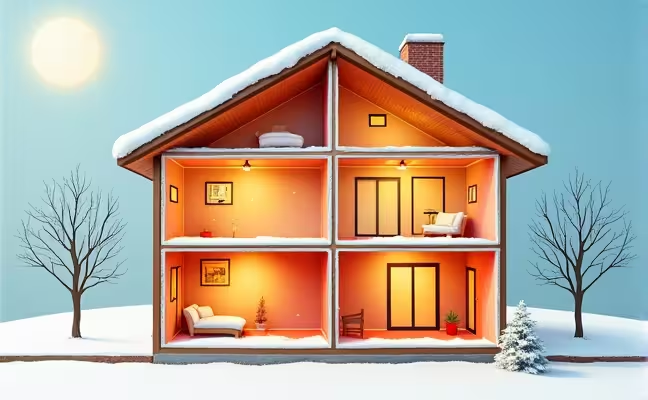
As you can see from the illustration above, insulation plays a crucial role in maintaining a comfortable indoor environment throughout the year. By creating a barrier between the inside and outside of your home, insulation helps to regulate temperature, reduce energy consumption, and improve overall living conditions.
The Many Benefits of Home Insulation
Now, let's explore the numerous advantages that come with properly insulating your home. These benefits extend far beyond just temperature control and can have a significant impact on your daily life and long-term financial well-being.
1. Energy Efficiency: The Power of Insulation
One of the primary benefits of home insulation is its ability to dramatically improve energy efficiency. By creating a thermal barrier, insulation significantly reduces the amount of energy needed to heat or cool your home. In fact, a well-insulated home can save you up to 50% in energy costs!
How does this work? Insulation acts as a barrier that slows down the transfer of heat between the inside and outside of your home. In winter, it keeps the warm air inside, reducing the workload on your heating system. In summer, it reflects heat away from your home, keeping the interior cool and reducing the need for air conditioning.
This reduction in energy consumption not only saves you money but also makes your home more sustainable and environmentally friendly. By using less energy, you're reducing your carbon footprint and contributing to a greener planet.
2. Year-Round Comfort: A Consistent Indoor Climate
Proper insulation transforms your home into a barrier against external temperature fluctuations. This means you'll enjoy a more stable and comfortable living environment throughout the year.

As you can see in the image above, a well-insulated home allows you to enjoy a cozy indoor atmosphere regardless of the outdoor conditions. In winter, insulation traps heat inside, keeping your home warm and snug. During the hot summer months, it reflects heat away, maintaining a cool and refreshing interior. This temperature stability creates a more comfortable living space year-round, allowing you to truly relax and enjoy your home.
3. Substantial Cost Savings: A Wise Investment
While the initial cost of installing insulation might seem significant, it's important to view it as a long-term investment. The energy savings you'll enjoy over the years will often offset the initial expense within a relatively short period.
By lowering the need for artificial heating and cooling, insulation can lead to substantial reductions in your monthly utility bills. In many cases, homeowners find that their insulation pays for itself within just a few years. After that, the ongoing savings contribute directly to your bottom line, putting more money back in your pocket month after month, year after year.
4. Noise Reduction: Creating a Peaceful Haven
One of the often-overlooked benefits of home insulation is its ability to reduce noise pollution. Insulation doesn't just block heat; it also absorbs sound, creating a quieter, more peaceful living environment.
This noise-reduction property of insulation can significantly reduce the transmission of sound from outside, such as traffic or noisy neighbors. It also helps to minimize sound transfer between different rooms and floors within your house. Whether you live in a busy urban area or simply value a quiet home, insulation can help create the peaceful sanctuary you desire.
5. Improved Indoor Air Quality: Breathe Easier at Home
Proper insulation can play a significant role in improving the quality of your indoor air. By sealing gaps and creating a barrier between the inside and outside of your home, insulation helps reduce the amount of dust, allergens, and mold that can enter your living space.
This is particularly beneficial for those with allergies or respiratory conditions. By creating a cleaner indoor environment, insulation contributes to better overall health and well-being for you and your family.
6. Increased Home Value: A Selling Point for the Future
When it comes to home improvements that add value, insulation is a top contender. Homes with good insulation tend to have a higher market value, making it an excellent investment if you're planning to sell in the future.
Potential buyers appreciate the energy efficiency and comfort of a well-insulated home. They understand that a properly insulated house will cost less to heat and cool, require less maintenance on the HVAC system, and provide a more comfortable living environment. All these factors make your property more attractive in the real estate market.
7. Environmental Impact: Reducing Your Carbon Footprint
In today's world, we're all becoming increasingly aware of our impact on the environment. By reducing the amount of energy needed to heat and cool your home, insulation can significantly decrease your carbon footprint.
Less energy consumption means fewer greenhouse gas emissions from power plants. By insulating your home, you're not just saving money; you're also contributing to a more sustainable future for our planet.
8. Prevention of Condensation: Protecting Your Home's Structure
Insulation plays a crucial role in preventing condensation on walls and ceilings. This might seem like a minor benefit, but it can actually prevent serious problems like mold growth and structural damage.
When warm, moist air comes into contact with cold surfaces, it can create condensation. Over time, this moisture can lead to mold growth, which can be harmful to your health and damage your home's structure. By maintaining a consistent temperature throughout your home, insulation helps prevent these issues, protecting both your health and your property.
9. Longevity of HVAC Systems: Extending Equipment Life
Your heating, ventilation, and air conditioning (HVAC) system is one of the most expensive components of your home. By reducing the load on these systems, insulation can significantly extend their lifespan.
When your home is well-insulated, your HVAC system doesn't need to work as hard to maintain a comfortable temperature. This reduced workload means less wear and tear on the equipment, potentially adding years to its life and saving you money on repairs and replacements in the long run.
Insulation Types and Where to Start: Your Home Insulation Guide
Now that we've explored the numerous benefits of home insulation, you might be wondering how to get started with insulating your own home. Let's dive into the different types of insulation available and where to begin your insulation journey.
Types of Insulation
There are several types of insulation available, each with its own advantages and suitable applications:
- Fiberglass: One of the most common and cost-effective options, available in batts or loose-fill form.
- Cellulose: Made from recycled paper products, this eco-friendly option is excellent for retrofitting existing homes.
- Foam: Available in spray or board form, foam insulation provides excellent air sealing properties.
- Mineral Wool: Also known as rock wool, this option is fire-resistant and excellent for soundproofing.
- Reflective: Ideal for hot climates, this type reflects radiant heat away from your home.
Where to Start: Best Home Insulation Techniques
When it comes to insulating your home, it's important to prioritize areas where you'll get the most benefit. Here are some key areas to focus on:
- Attic: As heat rises, a poorly insulated attic can be a major source of energy loss. Start here for maximum impact.
- Walls: Insulating your exterior walls can significantly improve your home's energy efficiency.
- Floors: Especially important if you have a crawl space or unheated basement.
- Ducts: Insulating your HVAC ducts can improve system efficiency and comfort.
- Windows and Doors: While not traditional insulation, upgrading to energy-efficient windows and doors can make a big difference.
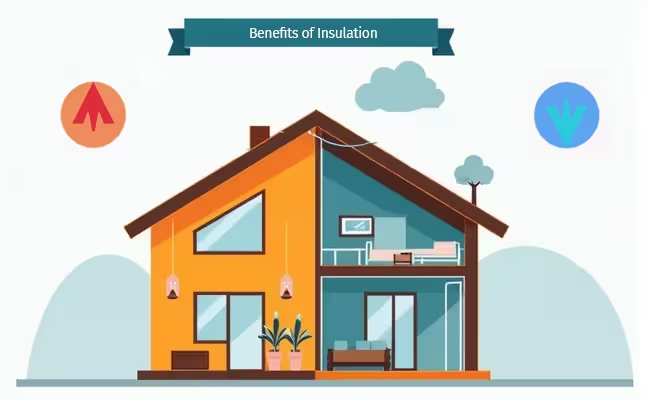
As you can see from the infographic above, the benefits of a well-insulated home are numerous and significant. From lower energy usage to improved air quality and noise reduction, insulation truly transforms your living space.
Getting Started with Your Home Insulation Project
Ready to start reaping the benefits of home insulation? Here are some steps to get you started:
- Conduct an Energy Audit: A professional energy audit can help identify where your home is losing energy and what areas need the most attention.
- Research Insulation Types: Based on your home's needs and your budget, research which types of insulation will work best for different areas of your home.
- Set a Budget: Determine how much you're willing to invest in your insulation project. Remember, this is a long-term investment that will pay off over time.
- DIY or Professional Installation: Decide whether you're comfortable installing the insulation yourself or if you'd prefer to hire a professional. Some types of insulation, like spray foam, typically require professional installation.
- Prioritize Areas: If you can't insulate your entire home at once, start with the areas that will give you the biggest return on investment, like the attic.
Remember, every home is unique, and the best insulation solution for your neighbor might not be the best for you. That's why it's often beneficial to consult with a professional who can assess your specific needs and recommend the most effective insulation strategy.
Conclusion: Embrace the Benefits of Home Insulation
Insulating your home is one of the most effective ways to improve energy efficiency, increase comfort, and save money in the long run. From reducing your energy bills and carbon footprint to improving your indoor air quality and increasing your home's value, the benefits of home insulation are far-reaching and impactful.
By following this home insulation guide and implementing some of the best home insulation techniques, you can transform your living space into a more comfortable, efficient, and sustainable environment. Remember, the journey to a well-insulated home starts with a single step – whether that's scheduling an energy audit or researching insulation types.
As someone who's passionate about home improvement and energy efficiency, I've seen firsthand how proper insulation can transform a house. That's why I'm excited about simpleHome, a platform that connects homeowners like you with local professionals who can help make your insulation project a reality. Whether you need an energy audit, insulation installation, or just expert advice, simpleHome can help you find the right professionals to guide you through your home insulation journey.
So why wait? Start exploring the benefits of home insulation today and take the first step towards a more comfortable, efficient, and valuable home. Your future self (and your wallet) will thank you!