


How to Build a Home Gym on a Budget
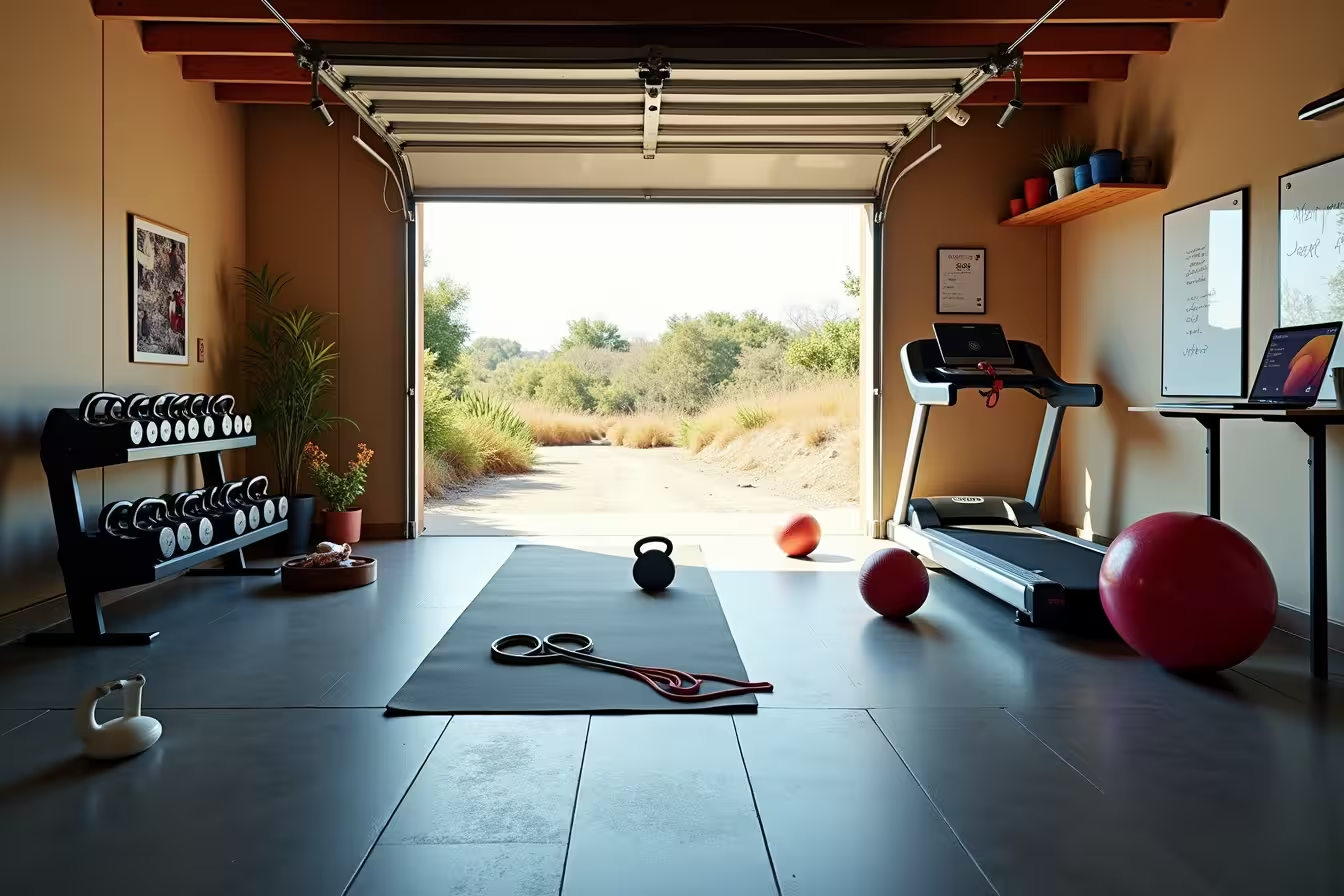
Are you dreaming of having your own personal fitness space but worried about the cost? You're not alone! Many fitness enthusiasts are discovering that creating an affordable home gym is not only possible but also incredibly rewarding. In this comprehensive guide, we'll explore how to build a cheap home gym that fits your space, budget, and fitness goals. Let's dive into the world of budget fitness equipment and home gym setup ideas that will help you save money on your home gym without compromising on quality or effectiveness.
1. Assess Your Space: The Foundation of Your Home Gym
Before you start purchasing affordable home gym equipment, it's crucial to evaluate the space you have available. Whether you're converting a spare room, basement, or even a corner of your garage, understanding your spatial limitations will guide your equipment choices and overall gym design.
Consider the following factors:
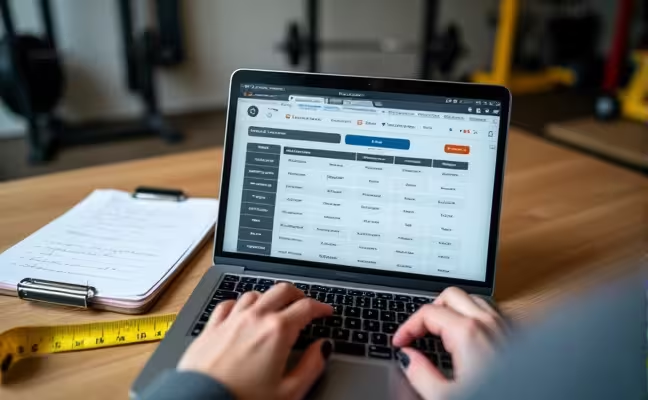
- Room dimensions: Measure the length, width, and height of your chosen space.
- Ceiling height: This is especially important if you plan on including equipment like pull-up bars or if you enjoy exercises that require overhead movements.
- Flooring: Assess the current flooring and determine if you need to install protective layers or specialized gym flooring.
- Lighting and ventilation: Ensure your space has adequate lighting and air circulation for a comfortable workout environment.
Remember, your gym needs to fit your space, not the other way around. Be creative with your available area and think about how you can maximize every square foot.
2. Define Your Budget: The Key to Building a Cheap Home Gym
One of the most critical steps in creating an affordable home gym is setting a clear budget. This will help you prioritize your purchases and prevent overspending. When defining your budget, consider the following:
- Initial equipment costs
- Potential renovation expenses (flooring, paint, etc.)
- Long-term costs (maintenance, equipment upgrades)
Be realistic about what you can afford, and remember that you don't need to buy everything at once. Building a home gym on a budget often involves a gradual process of acquiring equipment over time.
3. Identify Your Fitness Goals: Tailoring Your Gym to Your Needs
Your fitness objectives will play a significant role in determining the type of budget fitness equipment you'll need. Consider the following common fitness goals and their associated equipment needs:
- Strength Training: Dumbbells, barbells, weight plates, resistance bands
- Cardio: Jump rope, exercise bike, treadmill (if budget allows)
- Flexibility and Core: Yoga mat, stability ball, foam roller
- Functional Fitness: Kettlebells, medicine balls, suspension trainers
By focusing on equipment that aligns with your goals, you'll avoid wasting money on items that won't contribute to your fitness journey.
4. Research Equipment Prices: Finding the Best Deals
When it comes to building a cheap home gym, thorough research is your best friend. Take the time to compare prices across different retailers, both online and in-store. Don't forget to consider second-hand options, which can offer significant savings on affordable home gym equipment.
Here are some tips for finding the best deals:
- Check online marketplaces like Amazon, eBay, and Facebook Marketplace for new and used equipment.
- Look for seasonal sales, especially around New Year's when fitness equipment is often discounted.
- Consider refurbished equipment, which can offer like-new quality at a fraction of the cost.
- Sign up for newsletters from fitness equipment retailers to stay informed about promotions and deals.
Remember, patience is key when hunting for bargains. Taking your time to find the right deals can lead to substantial savings as you build your home gym on a budget.
5. Prioritize Essential Equipment: Focus on the Basics
When working with a limited budget, it's crucial to focus on versatile, multi-use equipment that gives you the most bang for your buck. Here's a list of affordable home gym equipment essentials that can form the core of your workout space:
- Adjustable dumbbells: These space-saving weights can replace an entire rack of traditional dumbbells.
- Resistance bands: Versatile and compact, these bands offer a wide range of exercise possibilities.
- Stability ball: Great for core work, balance training, and even as a bench alternative.
- Yoga mat: Essential for floor exercises, stretching, and yoga.
- Pull-up bar: A simple yet effective tool for upper body strength.
- Jump rope: An inexpensive cardio option that takes up minimal space.
By starting with these basics, you'll have a solid foundation for a variety of workouts without breaking the bank.
6. Opt for Compact and Versatile Equipment: Maximizing Space and Value
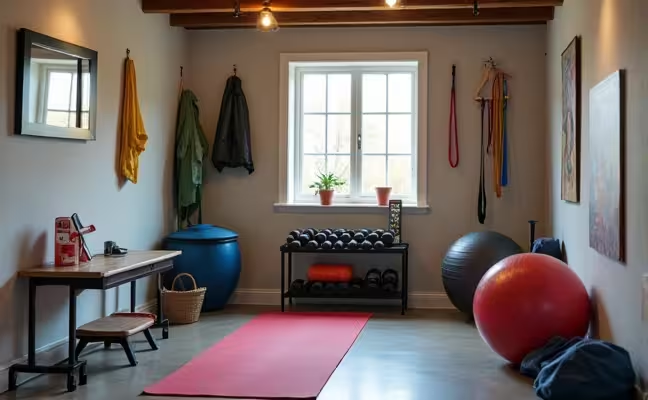
When building a home gym on a budget, choosing compact and versatile equipment is crucial. This approach not only helps you save money but also makes the most of your available space. Consider these space-saving options:
- Kettlebells: These versatile weights can be used for strength training, cardio, and functional fitness.
- Adjustable dumbbells: As mentioned earlier, these are a space-efficient alternative to a full set of dumbbells.
- Suspension trainers: These lightweight systems can be easily mounted and offer a full-body workout.
- Foldable exercise bike or treadmill: If you have the budget, look for cardio equipment that can be folded and stored when not in use.
- Wall-mounted pull-up bar: This saves floor space while providing an excellent upper body workout.
By focusing on multi-functional equipment, you'll be able to perform a wide range of exercises without cluttering your space or emptying your wallet.
7. DIY Gym Equipment: Get Creative and Save
One of the most effective ways to build a cheap home gym is by creating your own equipment. Not only does this save money, but it also adds a personal touch to your workout space. Here are some DIY ideas to get you started:
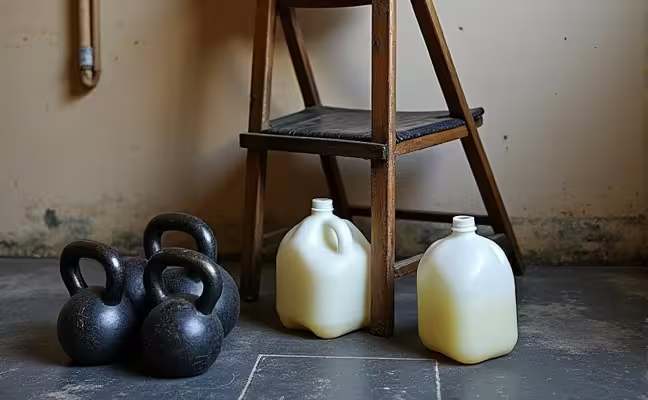
- Homemade weights: Fill empty milk jugs or water bottles with sand or water for adjustable weights.
- PVC pipe parallettes: Create your own parallettes for bodyweight exercises using PVC pipes and fittings.
- Tire flips: Find a used tire for a challenging strength and cardio workout.
- Sandbag: Fill a durable bag with sand for a versatile strength training tool.
- Wall ball target: Paint a target on your wall for medicine ball throws.
Remember to prioritize safety when creating DIY equipment. Ensure that your homemade gear is sturdy and well-constructed to prevent accidents during your workouts.
8. Incorporate Technology: Your Digital Fitness Companion
In the age of smartphones and apps, technology can be a valuable addition to your affordable home gym. Many fitness apps offer free or low-cost workout routines, progress tracking, and even virtual classes. This can be like having a personal trainer in your pocket, without the hefty price tag. Consider the following tech additions to your home gym:
- Fitness apps: Download apps that offer workout plans tailored to your goals and available equipment.
- YouTube channels: Follow fitness YouTubers who provide free workout videos and tips.
- Smart TV or tablet: Use a screen to follow along with workout videos or virtual classes.
- Fitness trackers: While not essential, these devices can help you monitor your progress and stay motivated.
By leveraging technology, you can access a wealth of fitness resources that complement your physical equipment, enhancing your home gym experience without significant additional cost.
9. Install Proper Flooring: Protect Your Space and Your Body
While it might seem like an unnecessary expense when building a cheap home gym, proper flooring is crucial for both safety and equipment longevity. Fortunately, there are budget-friendly options available:
- Interlocking foam tiles: These are affordable, easy to install, and provide good cushioning for floor exercises.
- Rubber mats: Slightly more expensive than foam tiles but more durable, especially for areas where you'll be using weights.
- Horse stall mats: A budget-friendly option that's extremely durable and perfect for garage gyms.
- Yoga mats: For a minimalist setup, a few yoga mats can provide adequate floor protection for bodyweight exercises.
Remember, proper flooring not only protects your existing floor but also reduces noise, provides cushioning for your joints, and creates a defined workout space within your home.
10. Gradual Upgrades: Building Your Gym Over Time
One of the best strategies for building a home gym on a budget is to start small and gradually add equipment as you progress in your fitness journey. This approach has several benefits:
- It spreads the cost over time, making it more manageable for your budget.
- It allows you to assess what equipment you actually use and enjoy before investing in more.
- You can adjust your gym based on your evolving fitness goals and preferences.
- It prevents your space from becoming cluttered with unused equipment.
Start with the essentials and add pieces as you need them. For example, you might begin with a set of resistance bands and a yoga mat, then add dumbbells, followed by a bench, and so on. This gradual approach ensures that every piece of equipment in your gym serves a purpose and contributes to your fitness goals.
11. Regular Maintenance: Extending the Life of Your Equipment
To truly save money on your home gym in the long run, regular maintenance of your equipment is essential. Proper care ensures that your budget fitness equipment lasts longer, performs better, and remains safe to use. Here are some maintenance tips:
- Clean equipment regularly: Wipe down surfaces with appropriate cleaners to prevent rust and bacteria buildup.
- Lubricate moving parts: Keep machines running smoothly by lubricating joints and cables as recommended by the manufacturer.
- Tighten bolts and screws: Regularly check and tighten any loose components to prevent accidents and extend equipment life.
- Store properly: Keep equipment off the floor when possible and away from moisture to prevent damage.
- Address issues promptly: Don't ignore strange noises or changes in equipment performance. Addressing problems early can prevent more costly repairs later.
By implementing a regular maintenance routine, you'll not only save money on replacements and repairs but also ensure that your workouts remain safe and effective.
12. Safety First: Creating a Secure Workout Environment
When setting up your affordable home gym, it's crucial not to compromise on safety. A safe workout environment prevents injuries and gives you peace of mind during your fitness sessions. Consider these safety measures:
- Ensure proper equipment installation: Follow manufacturer instructions carefully when setting up equipment.
- Create adequate space: Leave enough room around each piece of equipment for safe movement.
- Use safety equipment: Invest in items like weight collars for barbells and a spotter for heavy lifts when necessary.
- Keep a first aid kit handy: Stock a basic first aid kit in your gym area for minor injuries.
- Maintain good form: Use mirrors or video recordings to check your form and prevent injury from improper technique.
- Stay hydrated: Keep a water bottle in your gym to encourage regular hydration during workouts.
Remember, the goal of building a cheap home gym is not just to save money, but to create a safe and effective space for achieving your fitness goals.
Conclusion: Your Affordable Home Gym Journey Begins
Building a home gym on a budget is an exciting and rewarding project that can transform your fitness routine and lifestyle. By carefully assessing your space, defining your budget, identifying your fitness goals, and making smart choices about equipment, you can create a personalized workout haven without breaking the bank.
Remember, the key to success lies in starting small, being creative, and gradually building your gym over time. Focus on versatile, high-quality basics, and don't be afraid to get creative with DIY solutions. With patience, research, and a bit of ingenuity, you'll soon have an affordable home gym that rivals any commercial facility.
As you embark on this journey to create your budget-friendly fitness space, remember that the most important investment is your commitment to using it. A home gym, no matter how well-equipped, is only as effective as the effort you put into your workouts.
If you're looking for help with any home improvement projects, including setting up your home gym, I recommend checking out simpleHome. As a homeowner myself, I've found it incredibly helpful for connecting with local professionals who can assist with everything from flooring installation to equipment setup. Happy building, and here's to your health and fitness journey in your new affordable home gym!