


Creating a Low-Maintenance Garden for Busy Homeowners
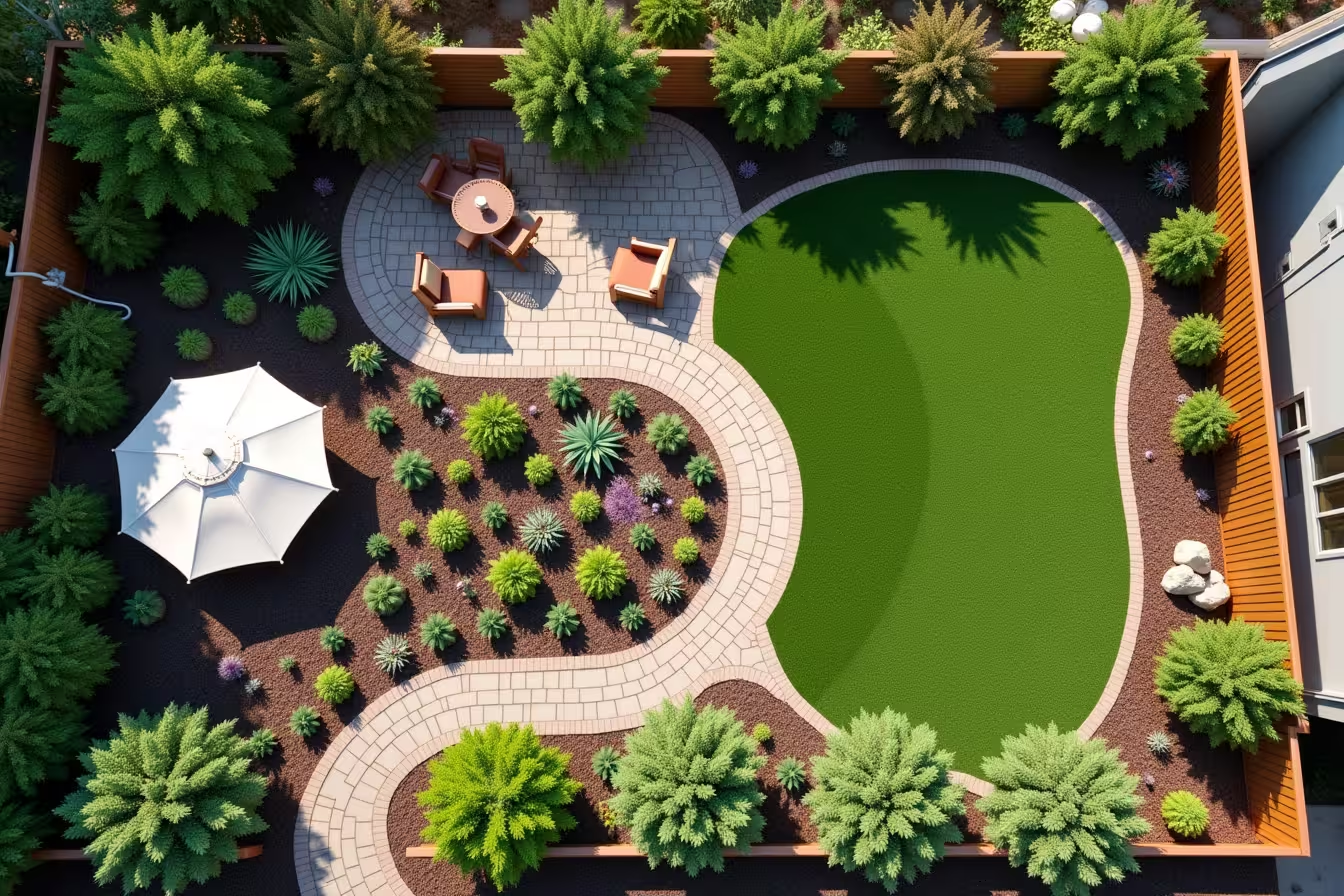
Are you a homeowner who dreams of having a beautiful garden but lacks the time to maintain it? You're not alone. Many busy individuals struggle to balance their desire for a lush outdoor space with the realities of a hectic schedule. The good news is that creating a low-maintenance garden is not only possible but can also be a rewarding and enjoyable process. In this comprehensive guide, we'll explore various low maintenance garden ideas and time-saving garden techniques that will help you achieve the outdoor oasis you've always wanted, without sacrificing your precious free time.
1. Choose the Right Plants: The Foundation of a Low-Maintenance Garden
The key to a successful low-maintenance landscaping project starts with selecting the right plants. By choosing plants that are naturally suited to your environment, you can significantly reduce the amount of care they require. Here are some tips for selecting easy care plants for busy homeowners:
- Native Plants: These plants are already acclimated to your local climate and soil conditions, making them more resilient and less demanding in terms of care.
- Drought-Resistant Plants: Also known as xeriscaping plants, these varieties require minimal watering once established, saving you time and reducing water bills.
- Perennials: Unlike annuals that need to be replanted each year, perennials come back season after season, reducing your workload and expenses.
Some excellent low-maintenance plant options include lavender, sedum, ornamental grasses, and succulents. These plants not only require minimal care but also add visual interest to your garden throughout the year.
2. Automate Watering: Let Technology Do the Work
One of the most time-consuming aspects of garden maintenance is watering. Implementing an automated irrigation system can save you hours of work each week while ensuring your plants receive the perfect amount of water. Here are some options to consider:
- Drip Irrigation: This system delivers water directly to the base of plants, reducing water waste and preventing leaf diseases.
- Smart Sprinkler Systems: These systems can be programmed to water your garden based on weather conditions and plant needs.
- Self-Watering Containers: Perfect for container gardens, these planters have built-in reservoirs that supply water as needed.
Many modern irrigation systems can be controlled via smartphone apps, allowing you to manage your garden's watering schedule from anywhere. This level of convenience is a game-changer for busy homeowners looking to implement time-saving garden techniques.
3. Use Mulch: A Multi-Purpose Garden Hero
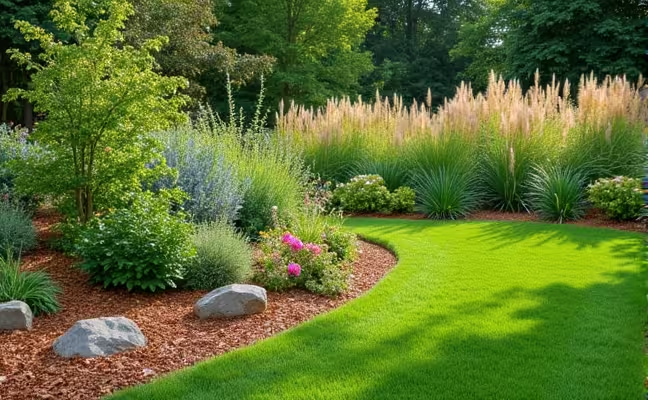
Mulch is a low-maintenance gardener's best friend. This simple addition to your garden can provide numerous benefits that contribute to easier care and a healthier landscape. Here's why mulch is essential for low maintenance landscaping:
- Weed Suppression: A thick layer of mulch prevents sunlight from reaching weed seeds, reducing their ability to germinate.
- Moisture Retention: Mulch helps the soil retain moisture, reducing the frequency of watering.
- Temperature Regulation: It insulates the soil, protecting plant roots from extreme temperature fluctuations.
- Nutrient Supply: As organic mulches break down, they add valuable nutrients to the soil.
- Aesthetic Appeal: Mulch provides a neat, finished look to garden beds.
When applying mulch, aim for a layer about 2-3 inches deep, being careful not to pile it against plant stems or tree trunks. Organic mulches like bark chips, straw, or compost are excellent choices for most gardens.
4. Implement Weed Control Measures: Prevention is Key
Weeding can be one of the most time-consuming and frustrating aspects of garden maintenance. By implementing effective weed control measures, you can significantly reduce the time spent battling these unwanted plants. Consider these low maintenance garden ideas for weed control:
- Landscaping Fabric: Lay this material under mulch or gravel to create an additional barrier against weeds.
- Ground Cover Plants: Dense, low-growing plants like creeping thyme or sedum can out-compete weeds for resources.
- Corn Gluten Meal: This natural pre-emergent herbicide can prevent weed seeds from germinating.
Remember, the key to effective weed control is consistency. Regular, small efforts to remove weeds before they become established will save you from larger, more time-consuming battles later on.
5. Opt for a Simple Design: Less is More
When it comes to low-maintenance landscaping, simplicity is your ally. A garden with a straightforward, efficient design is not only easier to care for but can also be visually striking. Here are some design principles to keep in mind:
- Use geometric shapes and clean lines for easier mowing and edging.
- Group plants with similar care requirements together.
- Limit the variety of plants to reduce the complexity of care routines.
- Create wide paths for easy access and maintenance.
By embracing a minimalist approach, you can create a garden that's both beautiful and manageable, even with a busy schedule.
6. Use Hardscaping: Blending Beauty with Practicality
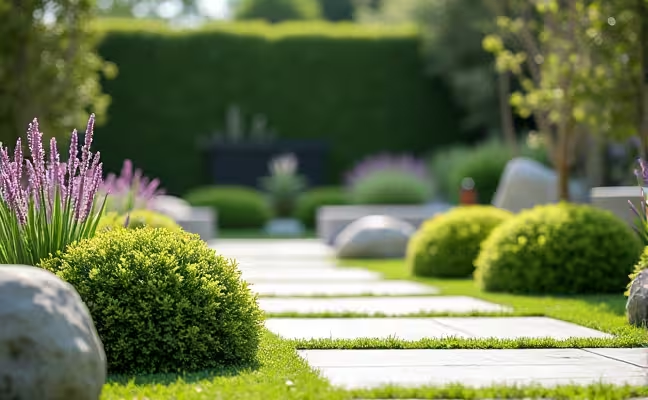
Incorporating hardscape elements into your garden design is an excellent way to reduce the amount of space that requires intensive maintenance. Hardscaping refers to the non-living elements in your landscape, such as:
- Patios and decks
- Pathways and stepping stones
- Retaining walls
- Water features
- Decorative rocks and boulders
These features not only add structure and visual interest to your garden but also create usable outdoor living spaces. By strategically incorporating hardscaping, you can reduce the area dedicated to high-maintenance plantings while still creating a beautiful and functional outdoor environment.
7. Regular Maintenance: Small Efforts, Big Results
While the goal is to create a low-maintenance garden, it's important to remember that no garden is entirely maintenance-free. The key is to perform small, regular maintenance tasks to prevent larger issues from developing. Here are some gardening tips for busy homeowners to keep your garden in top shape:
- Spend 10-15 minutes each week removing any weeds that have sprouted.
- Prune plants as needed to maintain their shape and health.
- Regularly inspect for signs of pests or diseases.
- Clean up fallen leaves and debris to prevent pest habitats.
By incorporating these small tasks into your routine, you can prevent many common garden problems before they become time-consuming issues.
8. Choose Low Maintenance Lawn Alternatives
Traditional lawns can be incredibly high-maintenance, requiring frequent mowing, watering, and fertilizing. For busy homeowners looking for low maintenance garden ideas, consider these alternatives:
- Clover: Naturally low-growing and resistant to drought and pests.
- Moss: Perfect for shady areas and requires no mowing.
- Ornamental Grasses: Provide texture and movement with minimal care.
- Artificial Turf: While not for everyone, it offers a maintenance-free green space.
These alternatives can provide a lush, green appearance without the demanding upkeep of a traditional lawn.
9. Create a Composting Area: Turning Waste into Garden Gold
Composting is a fantastic way to reduce kitchen waste while providing your garden with a free, nutrient-rich soil amendment. Setting up a small composting area in your garden offers several benefits:
- Reduces the need for store-bought fertilizers
- Improves soil structure and health
- Encourages beneficial microorganisms in the soil
- Helps retain soil moisture
Choose a composting system that fits your space and lifestyle, whether it's a simple heap, a bin system, or a tumbler composter. With minimal effort, you can turn kitchen scraps and yard waste into valuable compost for your low-maintenance garden.
10. Use Durable, Long-Lasting Materials
When it comes to garden structures, furniture, and tools, investing in quality, durable materials can save you time and money in the long run. Consider these options for various garden elements:
- Fencing: Choose vinyl, metal, or composite materials that resist rot and don't require painting.
- Garden Furniture: Opt for weather-resistant materials like teak, aluminum, or resin wicker.
- Tools: Invest in high-quality, rust-resistant tools that will last for years.
By choosing materials that can withstand the elements, you'll spend less time on repairs and replacements, freeing up more time to enjoy your garden.

Conclusion: Embracing the Low-Maintenance Lifestyle
Creating a low-maintenance garden doesn't mean sacrificing beauty or enjoyment. By implementing these low maintenance garden ideas and time-saving garden techniques, busy homeowners can create stunning outdoor spaces that require minimal upkeep. From choosing the right plants and automating watering systems to embracing simple designs and durable materials, there are numerous ways to reduce the time and effort needed to maintain your garden.
Remember, the key to success is planning and consistency. By investing a little time upfront in designing and setting up your low-maintenance garden, you'll reap the benefits of a beautiful outdoor space that fits your busy lifestyle for years to come.
As someone who's passionate about helping homeowners create their ideal living spaces, I've seen firsthand how transformative a well-designed, low-maintenance garden can be. If you're looking for professional help to bring your low-maintenance garden dreams to life, consider using simpleHome. This platform connects homeowners like you with local professionals who specialize in landscaping and garden design. With the right expertise and these low-maintenance strategies, you'll be well on your way to enjoying a beautiful, hassle-free garden that complements your busy life.