


Should You Add Solar Panels to Your Home?
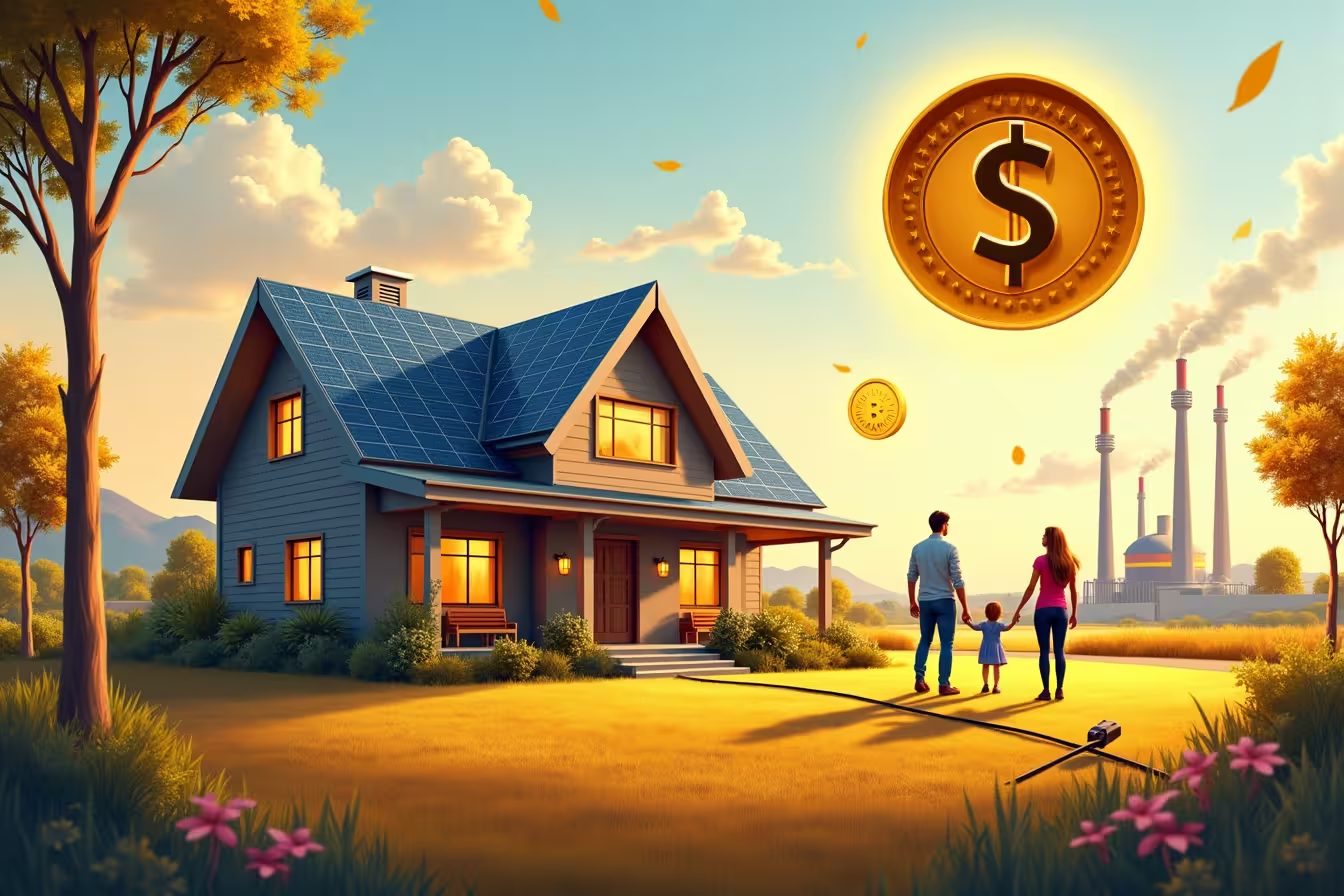
In recent years, the popularity of residential solar panels has skyrocketed, leaving many homeowners wondering if they should jump on the solar bandwagon. If you're considering adding solar panels to your home, you're not alone. This comprehensive guide will explore the numerous benefits of home solar panels, discuss the cost of solar panels for home installations, and help you decide if solar panel installation for your home is the right choice for you.
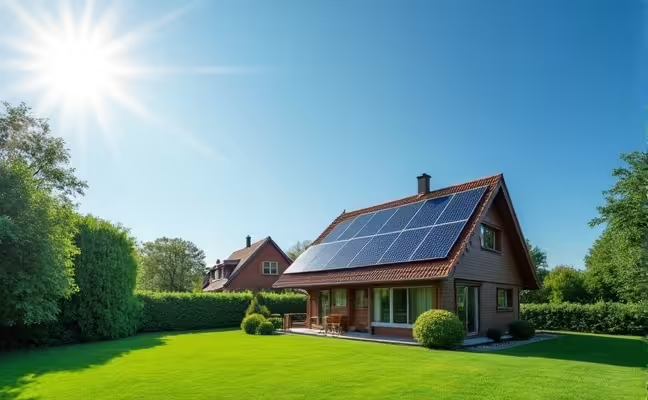
The Environmental Impact of Solar Panels
One of the most compelling reasons to consider solar panels for your home is their positive impact on the environment. Solar energy is a clean, renewable source of power that can significantly reduce your carbon footprint. By harnessing the sun's energy, you're actively contributing to the fight against climate change and helping to create a more sustainable future.
When you install residential solar panels, you're not just powering your own home - you're also reducing the overall demand for fossil fuels. This decrease in reliance on non-renewable energy sources helps to combat greenhouse gas emissions and slow the progression of global warming. Every home that switches to solar power is a step towards a greener, cleaner planet.
Economic Benefits of Home Solar Panels
While the environmental benefits of solar energy are significant, many homeowners are also drawn to the potential economic advantages. The cost of solar panels for home use has decreased dramatically in recent years, making them a more accessible option for many families. But beyond the initial investment, the long-term savings can be substantial.

Once your solar panel installation for home is complete, you'll start seeing savings on your electricity bills right away. The sun provides free energy, so after you've covered the cost of installation, you're essentially getting free power. In areas with high electricity costs, these savings can add up to thousands of dollars over the lifespan of your solar panels.
It's important to note that the exact amount you'll save depends on factors such as your location, the size of your solar system, and your energy consumption habits. However, many homeowners find that their solar panels pay for themselves within 7-20 years, and continue to provide savings for many years after that.
Energy Independence and Security
Another significant advantage of installing solar panels for your home is the energy independence it provides. By generating your own electricity, you're less reliant on the grid and less affected by power outages or fluctuations in energy prices. This can provide peace of mind and a sense of security, knowing that you have a reliable source of power right on your own roof.
Moreover, residential solar panels contribute to broader energy independence on a national scale. As more homes adopt solar power, the overall demand for imported fossil fuels decreases. This shift towards renewable energy sources can help create a more sustainable and self-reliant energy economy for the entire country.
Increase Your Home's Value
If you're considering selling your home in the future, solar panels can be a significant selling point. Homes equipped with solar energy systems typically have higher property values and sell more quickly than non-solar homes. Many buyers are willing to pay a premium for a home with solar panels already installed, recognizing the long-term savings and environmental benefits they offer.
The exact increase in home value can vary depending on your location and the size of your solar system. However, studies have shown that homes with solar panels can sell for anywhere from 3% to 9% more than comparable homes without solar power. This increase in value can offset a significant portion of your initial investment in solar panels for your home.
Government Incentives and Rebates
To encourage the adoption of renewable energy, many governments offer incentives, rebates, and tax credits for solar panel installations. These financial incentives can significantly reduce the cost of solar panels for your home, making them an even more attractive option.
In the United States, for example, there's a federal solar tax credit that allows you to deduct a percentage of your solar panel installation costs from your federal taxes. Many states and local governments offer additional incentives, such as property tax exemptions or performance-based incentives. Be sure to research the specific incentives available in your area, as they can make a substantial difference in the overall cost of your solar panel system.
Advancements in Solar Technology
The solar power industry is constantly innovating, leading to more efficient and affordable solar panels. Today's residential solar panels are more powerful and durable than ever before, capable of generating more electricity even in less-than-ideal conditions. As technology continues to improve, solar panels will likely become even more efficient and cost-effective in the future.
These advancements mean that investing in solar panels for your home now could lead to even greater savings down the line. As your panels become more efficient over time, you may find that you're able to generate more of your own electricity, further reducing your reliance on the grid.
Matching Energy Production to Demand
One of the clever advantages of solar energy is that its production aligns well with energy demand patterns. Energy needs are often highest during the day when the sun is shining brightest, meaning that solar panels can often produce power when it's most needed. This alignment can lead to greater efficiency and potentially higher savings on your electricity bills.
Additionally, many utility companies offer net metering programs. These programs allow you to sell excess electricity back to the grid, potentially earning credits on your electricity bill. This means that on particularly sunny days when your solar panels are producing more energy than you're using, you could actually be making money from your solar panel system.
Low Maintenance and Long Lifespan
One of the most appealing aspects of solar panels for home use is their low maintenance requirements. Once installed, solar panels require minimal upkeep. They have no moving parts, which means there's little that can break or wear out. Most solar panels are designed to last for 25-30 years or more, providing decades of clean, free energy with very little effort on your part.
Typically, the only maintenance required for residential solar panels is occasional cleaning to remove dust or debris that might accumulate on the panels. In many cases, rainfall is sufficient to keep the panels clean. Some homeowners choose to have their systems inspected periodically to ensure optimal performance, but this is generally not a frequent or costly process.
Reliable Power Supply
Contrary to what some might believe, solar panels can provide a reliable power supply even in less-than-ideal weather conditions. While it's true that solar panels produce the most electricity on bright, sunny days, they can still generate power on cloudy or overcast days. Modern solar panels are designed to capture a wide spectrum of light, not just direct sunlight.
Moreover, many residential solar panel systems are connected to the grid, allowing you to draw power from the utility company when your panels aren't producing enough electricity (such as at night or during extended periods of bad weather). Some homeowners also choose to install battery storage systems, which can store excess energy produced during sunny periods for use during times when the panels aren't generating power.
Social Responsibility and Community Impact

Installing solar panels on your home isn't just about personal benefits - it's also a way to contribute to the greater good of your community and society as a whole. By choosing solar energy, you're making a strong statement about your commitment to environmental sustainability and responsible energy use.
Your decision to go solar can have a ripple effect in your community. As more homes in a neighborhood adopt solar power, it can normalize the technology and inspire others to follow suit. You might find yourself becoming a local ambassador for renewable energy, sharing your experiences and encouraging others to consider solar panels for their homes.
Is Solar Right for Your Home?
While the benefits of home solar panels are numerous, it's important to consider whether they're the right choice for your specific situation. Factors to consider include:
- Your home's location and sun exposure
- The condition and orientation of your roof
- Your current electricity usage and costs
- Local regulations and homeowners' association rules
- Your budget and financing options
- Available incentives in your area
If you're considering solar panel installation for your home, it's a good idea to consult with a professional who can assess your specific situation and provide personalized recommendations. They can help you understand the potential costs and savings, and determine if solar panels are a good fit for your home and energy needs.
Conclusion
Adding solar panels to your home is a significant decision, but one that can offer numerous benefits. From reducing your carbon footprint and lowering your electricity bills to increasing your home's value and contributing to energy independence, solar panels for home use have a lot to offer.
As solar technology continues to advance and become more affordable, it's likely that we'll see even more homes adopting this clean, renewable energy source. Whether you're motivated by environmental concerns, economic benefits, or a desire for energy independence, solar panels could be a smart investment for your home and your future.
At simpleHome, we understand that making decisions about home improvements can be challenging. That's why we're here to help connect homeowners like you with local professionals who can provide expert guidance on solar panel installation and other home improvement projects. Whether you're ready to go solar or just exploring your options, we can help you take the next step towards a more sustainable, energy-efficient home.