


5 Signs It's Time for a Roof Replacement

Your roof is one of the most critical components of your home, protecting you and your belongings from the elements. However, like everything else, roofs have a limited lifespan and eventually need to be replaced. Recognizing the signs that indicate it's time for a roof replacement is crucial to maintaining the integrity of your home and preventing costly damage. In this comprehensive guide, we'll explore the five key indicators that suggest it's time to consider a roof replacement, helping you make an informed decision about your home's most important protective feature.
1. Age of the Roof: The Silent Countdown
One of the most reliable indicators that it's time for a roof replacement is the age of your current roof. Most roofing experts agree that a typical roof has a lifespan of 20 to 25 years. However, this can vary depending on factors such as the materials used, the quality of installation, and the level of maintenance it has received over the years.
If your roof is approaching or has surpassed this age range, it's wise to start considering a replacement, even if you're not experiencing any immediate issues. The reason for this is simple: as roofs age, they become more susceptible to damage and are less effective at protecting your home.
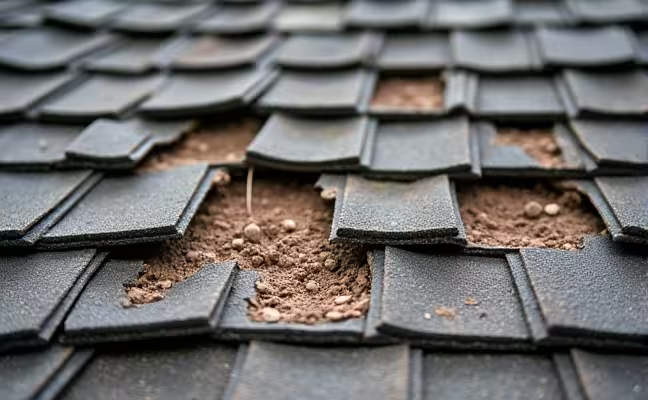
It's important to note that if your current roof was installed over an existing layer of shingles and it's over 20 years old, the need for replacement becomes even more pressing. This practice, known as "layering," was once common but is now discouraged by most roofing professionals. Layered roofs tend to trap heat and moisture, accelerating the deterioration process and potentially leading to more serious issues down the line.
When assessing the age of your roof, consider the following:
- The date of installation (if known)
- The type of roofing material used
- Any previous repairs or partial replacements
- The presence of multiple layers of shingles
By keeping these factors in mind, you can better gauge whether your roof's age is signaling the need for a replacement. Remember, proactive replacement can save you from more costly repairs and potential interior damage in the long run.
2. Damaged or Missing Shingles: The Visual Warning Signs
One of the most obvious roof damage symptoms that indicate it might be time for a roof replacement is the presence of damaged or missing shingles. Shingles are your roof's first line of defense against the elements, and when they start to fail, it's a clear sign that your roof's integrity is compromised.
Over time, shingles can undergo various forms of damage:
- Curling: Shingles may start to curl at the edges or in the middle, creating gaps that can allow water to penetrate.
- Cracking: Temperature fluctuations and age can cause shingles to crack, reducing their effectiveness.
- Missing shingles: Strong winds or severe weather can tear shingles off entirely, leaving exposed areas vulnerable to leaks.
- Bald spots: Areas where granules have worn away, leaving the shingle's base exposed to UV rays and water.
While it's true that a few damaged shingles here and there can often be replaced individually, widespread damage is a different story. If you notice that a significant portion of your roof's shingles are showing signs of wear and tear, it's likely time to consider a full roof replacement.
The cost of roof replacement might seem daunting, but it's important to weigh this against the potential costs of continued damage to your home. A new roof not only provides better protection but can also improve your home's energy efficiency and overall value.
When inspecting your roof for damaged or missing shingles, pay special attention to:
- Valleys: These are the areas where two roof planes meet and are crucial for water drainage.
- Chimneys and vents: The areas around these features are prone to leaks if shingles are damaged.
- South-facing slopes: These areas often show damage first due to increased sun exposure.
Regular inspections, especially after severe weather events, can help you catch shingle damage early and make informed decisions about whether roofing repair or full replacement is necessary.
3. Shingle Granules in the Gutters: The Silent Deterioration
One of the less obvious but equally important signs that it's time for a roof replacement is the presence of shingle granules in your gutters. These small, coarse particles play a crucial role in protecting your shingles from UV rays and other environmental factors. When you start noticing an abundance of these granules in your gutters or at the base of your downspouts, it's a clear indicator that your roof is deteriorating.
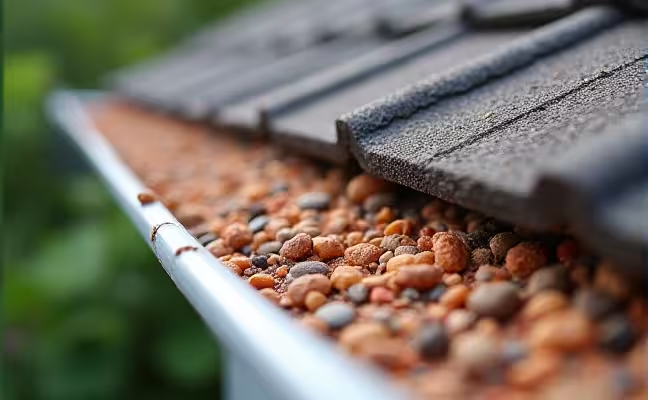
The loss of granules is a natural part of a roof's aging process, but excessive granule loss can significantly shorten your roof's lifespan. Here's why granule loss is such a concern:
- UV Protection: Granules shield the asphalt in shingles from damaging UV rays. Without this protection, shingles can quickly deteriorate.
- Fire Resistance: Many granules are treated to provide fire resistance. Their loss can compromise your roof's fire rating.
- Aesthetic Appeal: Granules give shingles their color. As they wear away, your roof may develop a patchy, unattractive appearance.
- Water Shedding: Granules help water flow off your roof. Their loss can lead to water pooling and potential leaks.
To check for granule loss, look in your gutters during dry weather. If you see an accumulation of granule-like particles, it's time to take a closer look at your roof's condition. You might also notice dark or bald spots on your shingles where granules have worn away.
While some granule loss is normal, especially with a new roof, excessive or ongoing loss is a sign that your shingles are nearing the end of their effective life. In this case, roofing repair might not be sufficient, and a full roof replacement could be the most cost-effective long-term solution.
When considering the cost of roof replacement versus continued maintenance, remember that a new roof with intact granules will provide superior protection for your home. It's an investment in your property's longevity and value.
4. Sagging Roof: A Critical Structural Concern
A sagging roof is perhaps one of the most serious signs that it's time for a roof replacement. Unlike some other roof damage symptoms, a sagging roof indicates potential structural issues that go beyond the shingles themselves. This problem requires immediate attention to prevent further damage to your home.
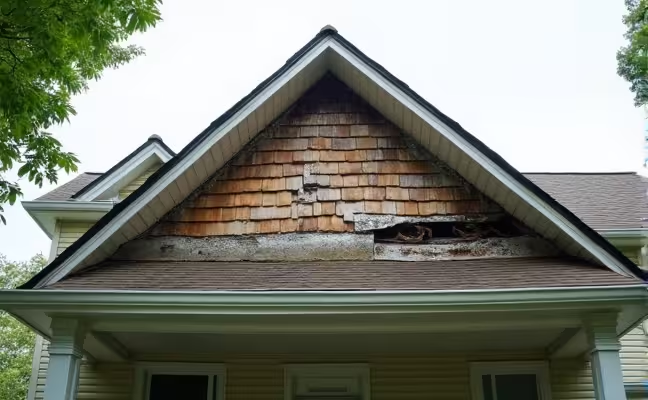
Several factors can contribute to a sagging roof:
- Water Damage: Prolonged exposure to moisture can weaken the decking or underlying structure of your roof.
- Poor Ventilation: Inadequate attic ventilation can lead to moisture buildup and eventual rot in the roof's support structure.
- Excessive Weight: Accumulation of heavy snow or ice, or the weight of multiple layers of roofing materials, can cause the roof to sag.
- Foundation Issues: In some cases, problems with your home's foundation can manifest as a sagging roof.
To identify a sagging roof, look for these signs:
- A visible dip or curve in the roofline
- Interior signs such as cracked ceilings or walls
- Doors or windows that are difficult to open or close
- Visible sagging in the attic rafters or decking
If you notice any of these signs, it's crucial to act quickly. A sagging roof is not just an aesthetic issue; it's a serious structural problem that can lead to catastrophic failure if left unaddressed. In most cases, a sagging roof will require a complete replacement rather than simple roofing repair.
The cost of roof replacement in this scenario may be higher due to the need for structural repairs. However, this investment is necessary to ensure the safety and integrity of your entire home. When dealing with a sagging roof, it's essential to work with experienced professionals who can assess the full extent of the damage and provide a comprehensive solution.
5. Frequent Roof Leaks: The Persistent Problem
Frequent or persistent roof leaks are a clear indication that your roof may be beyond simple repairs and in need of replacement. While a single, isolated leak can often be fixed with targeted roofing repair, multiple or recurring leaks suggest more widespread issues with your roof's integrity.
Leaks can occur for various reasons, including:
- Damaged or missing shingles
- Worn out flashing around chimneys, vents, or skylights
- Ice dams forming at the roof's edge
- Poor installation or substandard materials
- Natural wear and tear over time
The dangers of ignoring frequent roof leaks cannot be overstated. Beyond the immediate inconvenience, leaks can lead to:
- Mold and mildew growth, which can pose health risks
- Damage to your home's structural integrity
- Ruined insulation, leading to increased energy costs
- Water damage to ceilings, walls, and personal belongings
- Electrical hazards if water comes into contact with wiring
When assessing whether your leaky roof needs replacement, consider the following:
- Frequency of leaks: Are you dealing with new leaks regularly?
- Extent of water damage: Is the damage widespread or localized?
- Age of the roof: Is your roof nearing or past its expected lifespan?
- Cost of repeated repairs: Are you spending more on frequent repairs than a new roof would cost?
In many cases, the cost of roof replacement is justified by the long-term savings in repairs, energy efficiency, and prevention of further damage to your home. A new roof provides peace of mind and protection against future leaks and water damage.
Making the Decision: Repair or Replace?
Deciding whether to opt for roofing repair or a complete roof replacement can be challenging. While the cost of roof replacement is typically higher upfront, it may be more cost-effective in the long run if your roof is showing multiple signs of wear and tear.
Consider these factors when making your decision:
- The extent of damage: Is it isolated or widespread?
- The age of your current roof: Is it nearing the end of its expected lifespan?
- Your long-term plans: How long do you intend to stay in your current home?
- Energy efficiency: Could a new roof significantly improve your home's insulation and energy costs?
- Home value: Will a new roof increase your property's resale value?
Remember, a new roof is not just an expense; it's an investment in your home's future. It provides better protection, improved energy efficiency, and can even enhance your home's curb appeal.
Conclusion: Taking Action on Roof Replacement Signs
Recognizing the signs that it's time for a roof replacement is crucial for maintaining the safety, integrity, and value of your home. From the age of your roof to visible damage, granule loss, sagging, and persistent leaks, these indicators should not be ignored. While the prospect of a roof replacement might seem daunting, addressing these issues promptly can save you from more extensive and expensive problems down the line.
As a homeowner, staying vigilant about your roof's condition and acting on these signs when they appear is one of the most important things you can do to protect your investment. Regular inspections and maintenance can help extend your roof's life, but when replacement becomes necessary, it's wise to act sooner rather than later.
At simpleHome, we understand the importance of connecting homeowners with trusted, local professionals for all their home improvement needs, including roof replacements. Our platform makes it easy to find experienced roofing contractors who can assess your situation and provide expert recommendations. Whether you're dealing with minor repairs or considering a full roof replacement, we're here to help you make informed decisions about your home's most important protective feature.
Remember, a well-maintained roof not only protects your home but also contributes to its overall efficiency and value. By staying attuned to these five key signs and taking timely action, you can ensure that your home remains safe, dry, and beautiful for years to come.