


Pros and Cons of Popular Roofing Materials

When it comes to protecting your home from the elements, the roof plays a crucial role. But with so many options available, how do you choose the right roofing material for your home? In this comprehensive guide, we'll explore the pros and cons of popular roofing materials, helping you make an informed decision for your next roofing project. Let's dive into the world of roofing materials comparison and discover the best roofing materials for your needs.
1. Asphalt Shingles: The Affordable Classic
Asphalt shingles are the most commonly used roofing material in North America, and for good reason. They offer a balance of affordability and versatility that's hard to beat.
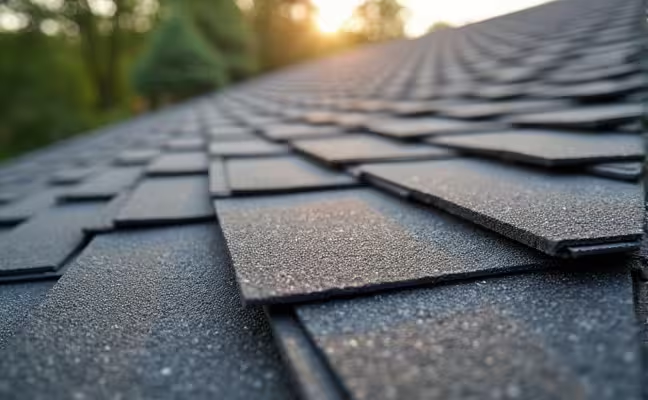
Pros:
- Affordability: Asphalt shingles are typically the least expensive roofing option.
- Easy installation: Their lightweight nature makes them quick and easy to install.
- Variety: They come in a wide range of colors and styles to suit any home design.
- Low maintenance: Asphalt shingles require minimal upkeep compared to other materials.
Cons:
- Shorter lifespan: One of the main disadvantages of asphalt shingles is their relatively short lifespan of 15-30 years.
- Vulnerability to extreme weather: High winds and severe temperature fluctuations can damage asphalt shingles.
- Environmental impact: They're not the most eco-friendly option as they're petroleum-based and difficult to recycle.
To mitigate some of these disadvantages of asphalt shingles, consider opting for architectural shingles. These premium versions offer enhanced durability and a more aesthetically pleasing look, addressing some of the shortcomings of traditional asphalt shingles.
2. Metal Roofing: Durable and Energy-Efficient
Metal roofing has gained popularity in recent years due to its longevity and energy efficiency. Let's explore the advantages of metal roofing and why it might be the best roofing material for your home.
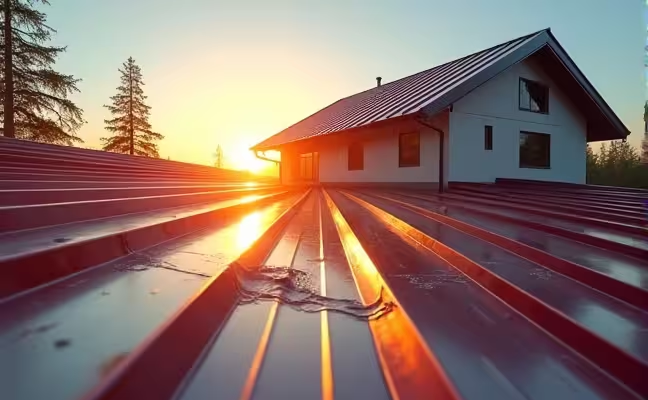
Pros:
- Longevity: Metal roofs can last 50-70 years with proper maintenance.
- Energy efficiency: They reflect solar radiant heat, which can reduce cooling costs by 10-25%.
- Durability: Metal roofs resist fire, mildew, insects, and rot.
- Environmentally friendly: They're often made from recycled materials and are 100% recyclable at the end of their life.
Cons:
- Higher initial cost: The upfront cost of metal roofing is higher than asphalt shingles.
- Potential for denting: Severe hailstorms or falling branches can dent metal roofs.
- Noise: During heavy rain or hail, metal roofs can be noisier than other materials.
To maximize the advantages of metal roofing while minimizing its drawbacks, consider modern metal roofing options with dent-resistant properties. These innovative products offer a balance between cost and durability, making metal an increasingly attractive option in the roofing materials comparison.
3. Clay and Concrete Tiles: Timeless Elegance
Clay and concrete tiles offer a distinct, elegant look that's particularly suited to Spanish, Mediterranean, and some contemporary home designs.
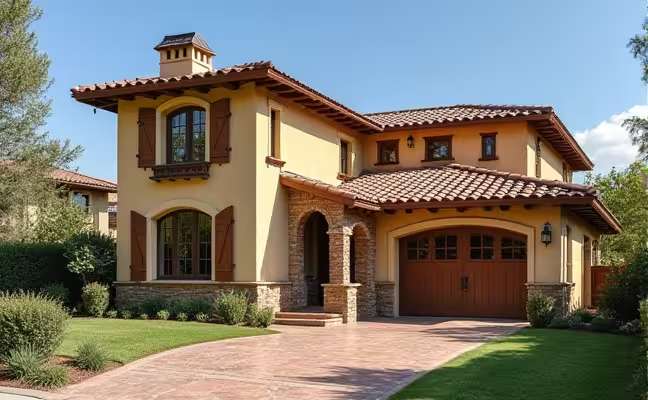
Pros:
- Durability: With proper maintenance, these tiles can last 50-100 years.
- Fire resistance: Clay and concrete tiles are non-combustible.
- Energy efficiency: The heavy thermal mass of these tiles helps regulate indoor temperatures.
- Low maintenance: They require little upkeep once installed correctly.
Cons:
- Weight: These tiles are heavy and may require additional structural support.
- Cost: Both the materials and installation are more expensive than asphalt shingles.
- Fragility: While durable overall, individual tiles can crack if walked on improperly.
An innovative solution to address the weight issue is the use of lightweight synthetic tiles. These modern alternatives mimic the look of clay or concrete but without the added weight, making them an excellent option in our roofing materials comparison.
4. Wood Shingles and Shakes: Natural Beauty
Wood shingles and shakes provide a natural, rustic look that's particularly appealing on craftsman, bungalow, and cottage-style homes.
Pros:
- Aesthetic appeal: Wood offers a unique, natural beauty that ages gracefully.
- Insulation: Wood provides natural insulation, potentially lowering energy costs.
- Eco-friendly: When sourced responsibly, wood is a renewable and biodegradable material.
Cons:
- Maintenance: Regular treatments are needed to prevent rot, mold, and insect infestations.
- Fire risk: Unless treated with fire retardants, wood roofing is more susceptible to fire.
- Cost: Wood shingles and shakes are more expensive than asphalt shingles.
To maximize the benefits of wood roofing while minimizing its drawbacks, consider using treated wood shingles. These are more resistant to fire and decay, addressing some of the main concerns associated with this roofing material.
5. Slate Roofs: Premium Longevity
Slate roofs are known for their unparalleled durability and timeless beauty, making them a premium choice in our roofing materials comparison.
Pros:
- Longevity: Slate roofs can last over 100 years with proper maintenance.
- Aesthetics: They offer a distinctive, high-end look that enhances curb appeal.
- Fire resistance: Slate is non-combustible and highly fire-resistant.
- Low maintenance: Once installed, slate requires minimal upkeep.
Cons:
- Weight: Slate is extremely heavy and may require additional structural support.
- Cost: It's one of the most expensive roofing options, both in materials and installation.
- Fragility: While durable overall, individual slate tiles can crack if walked on improperly.
For those who love the look of slate but are concerned about its weight and cost, synthetic slate tiles offer a viable alternative. These modern materials capture the beauty of natural slate while being lighter and more affordable, making them an attractive option in our best roofing materials list.
6. Rubber Roofs (EPDM): Durable and Eco-Friendly
Rubber roofs, or EPDM (ethylene propylene diene monomer), are gaining popularity, especially for flat or low-slope roofs.
Pros:
- Durability: EPDM roofs can last 30-50 years with proper maintenance.
- Energy efficiency: They can be coated white to reflect heat and reduce cooling costs.
- Easy installation: EPDM is lightweight and can be installed quickly.
- Eco-friendly: It's recyclable at the end of its lifespan.
Cons:
- Aesthetics: Some homeowners find rubber roofs less visually appealing.
- Puncture risk: They can be punctured by sharp objects or excessive foot traffic.
- Limited use: EPDM is primarily suitable for flat or low-slope roofs.
To enhance the appeal and longevity of rubber roofs, consider EPDM combined with a layer of stone chippings. This combination can improve aesthetics and protect the roof from punctures, addressing some of the main concerns associated with this roofing material.
7. Green Roofs: The Eco-Warrior's Choice
Green roofs, which involve covering a roof with vegetation, are an innovative and environmentally friendly option in our roofing materials comparison.
Pros:
- Environmental benefits: Green roofs improve air quality, reduce urban heat islands, and support biodiversity.
- Energy efficiency: They provide excellent insulation, reducing heating and cooling costs.
- Longevity: When properly installed, green roofs can outlast conventional roofs.
- Aesthetic appeal: They create a unique, natural look and can even be used as rooftop gardens.
Cons:
- Weight: Green roofs are heavy and require a robust support structure.
- Initial cost: The installation of a green roof is more expensive than conventional roofing.
- Maintenance: They require regular care to maintain the vegetation.
- Potential for leaks: If not properly waterproofed, green roofs can lead to water damage.
To mitigate these challenges, consider using modern waterproofing materials beneath the vegetation and opt for low-maintenance plants. These steps can help make green roofs a more practical option for environmentally conscious homeowners.
Conclusion: Choosing the Best Roofing Material for Your Home
When it comes to selecting the best roofing materials for your home, there's no one-size-fits-all solution. Each option in our roofing materials comparison has its own set of advantages and disadvantages. The right choice depends on various factors, including your budget, climate, home's architectural style, and personal preferences.
Asphalt shingles remain a popular choice due to their affordability and versatility, but the advantages of metal roofing, such as longevity and energy efficiency, are making it an increasingly attractive option. Clay and concrete tiles offer timeless elegance, while wood shingles provide natural beauty. For those seeking premium longevity, slate roofs are unmatched, and rubber roofs offer a durable, eco-friendly option for flat roofs. Green roofs, while more complex, provide significant environmental benefits.
Remember, the best roofing material is one that not only protects your home but also aligns with your aesthetic preferences and budget constraints. It's always a good idea to consult with roofing professionals who can provide expert advice based on your specific circumstances.
As someone who's been through the process of choosing roofing materials, I can attest to how overwhelming it can be. That's why I'm excited about simpleHome, a platform that connects homeowners like you with local roofing professionals. These experts can provide personalized advice and help you navigate the complexities of roofing materials comparison. Whether you're leaning towards the affordability of asphalt shingles or are intrigued by the advantages of metal roofing, simpleHome can help you find the right professionals to bring your roofing vision to life.