


How to Restore and Maintain Hardwood Floors
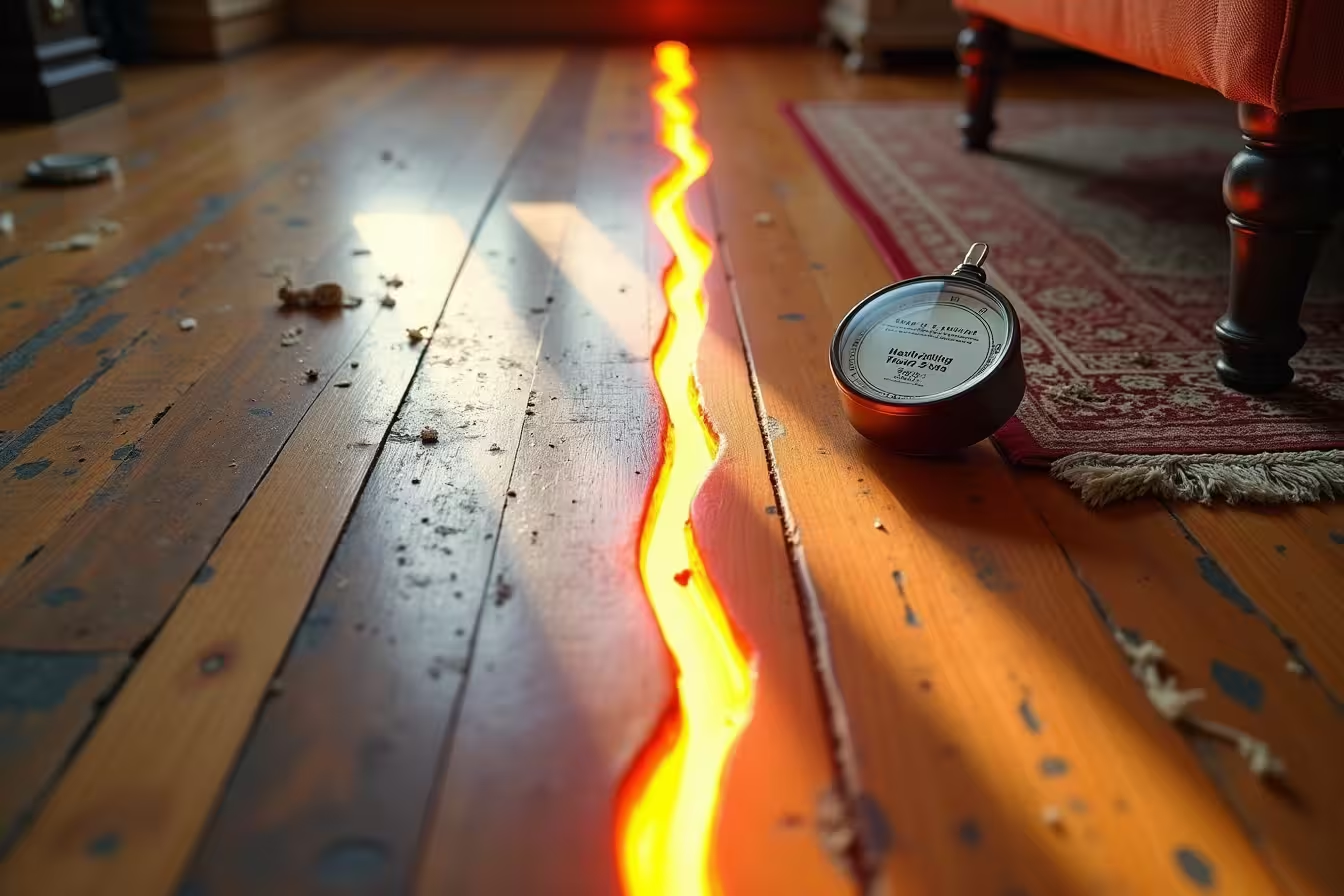
Hardwood floors are a timeless addition to any home, offering warmth, beauty, and elegance. However, to keep them looking their best, proper hardwood floor maintenance is crucial. In this comprehensive guide, we'll explore the ins and outs of hardwood floor restoration and care, providing you with expert tips to ensure your floors remain stunning for years to come.
Understanding the Importance of Hardwood Floor Maintenance
Before we dive into the specifics of how to restore hardwood floors and maintain them, it's essential to understand why this care is so important. Hardwood floors are a significant investment in your home, both financially and aesthetically. Without proper care, these beautiful surfaces can quickly lose their luster, become damaged, or even require premature replacement.
Regular hardwood floor maintenance not only preserves the beauty of your floors but also extends their lifespan. By following proper care techniques, you can avoid costly repairs and keep your floors looking as good as new for decades. Let's explore the key aspects of hardwood floor care tips that every homeowner should know.
Identifying Your Hardwood Floor Type
Before you begin any hardwood floor restoration or maintenance routine, it's crucial to identify the type of hardwood floor you have. The two main types are solid hardwood and engineered hardwood, and each requires slightly different care methods.
Solid Hardwood Floors
Solid hardwood floors are made from a single piece of wood and can be sanded and refinished multiple times throughout their lifespan. This makes them incredibly durable and long-lasting, with proper care.
Engineered Hardwood Floors
Engineered hardwood floors consist of a thin layer of hardwood on top of multiple layers of plywood. While they look similar to solid hardwood, they can only be refinished once or twice due to the thinner top layer.
Knowing which type of floor you have will help you determine the best hardwood floor maintenance techniques to use and what level of restoration is possible.
Essential Hardwood Floor Care Tips
1. Regular Cleaning: The Foundation of Hardwood Floor Maintenance
The most fundamental aspect of how to maintain hardwood floors is regular cleaning. This simple yet crucial step can prevent dirt and debris from scratching your floor's surface and maintain its shine.

For daily cleaning, use a soft-bristle broom or a vacuum cleaner with a soft floor attachment to remove dust, dirt, and debris. Be cautious not to use vacuum attachments with beater bars or hard bristles, as these can scratch your floor's surface.
Avoid using water or steam mops for regular cleaning, as excess moisture can seep into the wood and cause damage. Instead, opt for a slightly damp (not wet) mop or cloth for occasional deeper cleaning.
2. Using the Right Cleaning Products
When it comes to hardwood floor restoration and maintenance, using the correct cleaning products is crucial. Not all cleaning solutions are suitable for hardwood floors, and using the wrong ones can lead to discoloration or damage to the floor's finish.
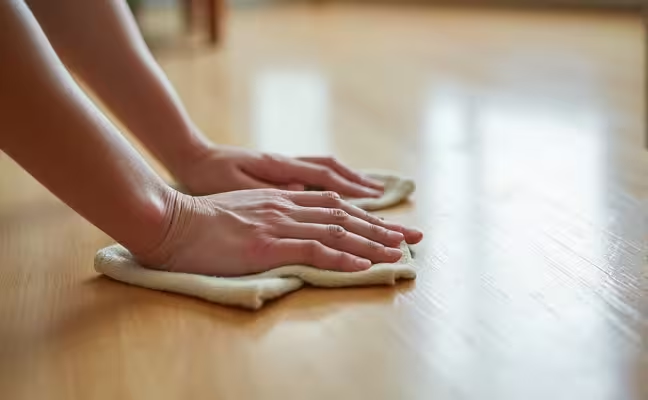
Always use cleaning products specifically designed for hardwood floors. These are typically pH-neutral and won't strip the finish off your floor. Avoid products containing ammonia, vinegar, or other harsh chemicals that can dull or damage the wood.
When applying cleaning solutions, use a soft, slightly damp cloth or mop. Never saturate your hardwood floors with liquid, as this can lead to water damage and warping.
3. Dealing with Spills Promptly
Accidents happen, but when it comes to hardwood floors, quick action is essential. Spills should be cleaned up immediately to prevent water from seeping into the wood and causing damage.
Use a soft, dry cloth to blot the spill gently. Avoid rubbing or scrubbing, as this can push the liquid deeper into the wood or scratch the surface. Once you've absorbed as much of the spill as possible, use a slightly damp cloth to clean the area, then dry it thoroughly.
4. Protecting from Sunlight
While natural light can beautifully illuminate your hardwood floors, prolonged exposure to direct sunlight can cause fading and discoloration. To protect your floors from sun damage:
- Use curtains, blinds, or UV-protective window films to filter sunlight
- Rearrange furniture periodically to ensure even sun exposure across your floors
- Consider applying a UV-resistant finish during your next hardwood floor restoration project
5. Using Protective Pads and Rugs
Furniture can be a major source of scratches and dents on hardwood floors. To prevent this damage:

Place felt pads under the legs of all furniture pieces. These inexpensive additions can prevent scratches and make it easier to move furniture without damaging your floors.
Use area rugs in high-traffic zones to minimize wear and tear. However, be sure to use rug pads underneath to prevent the rug from slipping and to allow the floor to "breathe."
Advanced Hardwood Floor Restoration Techniques
1. Refinishing Your Hardwood Floors
Over time, even with the best hardwood floor maintenance, the finish on your floors can wear down. Refinishing is a crucial part of how to restore hardwood floors to their former glory.
The refinishing process typically involves:
- Sanding the floor to remove the old finish and any surface imperfections
- Staining the wood (if desired) to change or enhance its color
- Applying a new protective finish
For solid hardwood floors, this process can be repeated several times over the life of the floor. Engineered hardwood, however, may only be able to handle one or two refinishing jobs due to its thinner top layer.
2. Addressing Minor Scratches and Dents
For small scratches and dents that don't warrant a full refinishing job, there are several DIY hardwood floor restoration techniques you can try:
- Use a wood filler that matches your floor color to fill in small scratches or dents
- Try a wood touch-up marker to camouflage minor scratches
- For deeper scratches, you might need to sand the area lightly and apply a new coat of finish
3. Controlling Humidity Levels
Hardwood floors are sensitive to changes in humidity. Too much moisture can cause the wood to expand, while too little can lead to shrinkage and gaps between boards. To maintain optimal conditions for your hardwood floors:
- Keep your home's humidity levels between 30% and 50%
- Use a dehumidifier in damp areas or during humid seasons
- Consider using a humidifier during dry winter months
When to Call in the Professionals
While many aspects of hardwood floor maintenance can be handled by homeowners, there are times when it's best to call in the professionals. Consider professional help for:
- Full floor refinishing jobs
- Addressing significant water damage
- Repairing or replacing damaged boards
- Deep cleaning and restoration of severely neglected floors
Professional hardwood floor restoration services have the expertise, tools, and products to tackle even the most challenging floor issues effectively and efficiently.
Conclusion: Embracing Long-Term Hardwood Floor Care
Maintaining the beauty and integrity of your hardwood floors is an ongoing process. By incorporating these hardwood floor care tips into your regular cleaning routine and addressing issues promptly, you can enjoy stunning floors for decades to come.
Remember, the key to successful hardwood floor maintenance lies in consistency and using the right techniques and products. Whether you're dealing with daily cleaning, addressing minor scratches, or considering a full refinishing project, approach each task with care and attention to detail.
As a homeowner who's passionate about maintaining my own hardwood floors, I understand the challenges that can come with this responsibility. That's why I'm excited to share that simpleHome is here to help connect you with local professionals who specialize in hardwood floor restoration and maintenance. Whether you need advice on how to restore hardwood floors or are looking for expert hands to tackle a big project, simpleHome can help you find the right professionals to keep your floors looking their absolute best.