


Eco-Friendly Building Materials for Sustainable Living
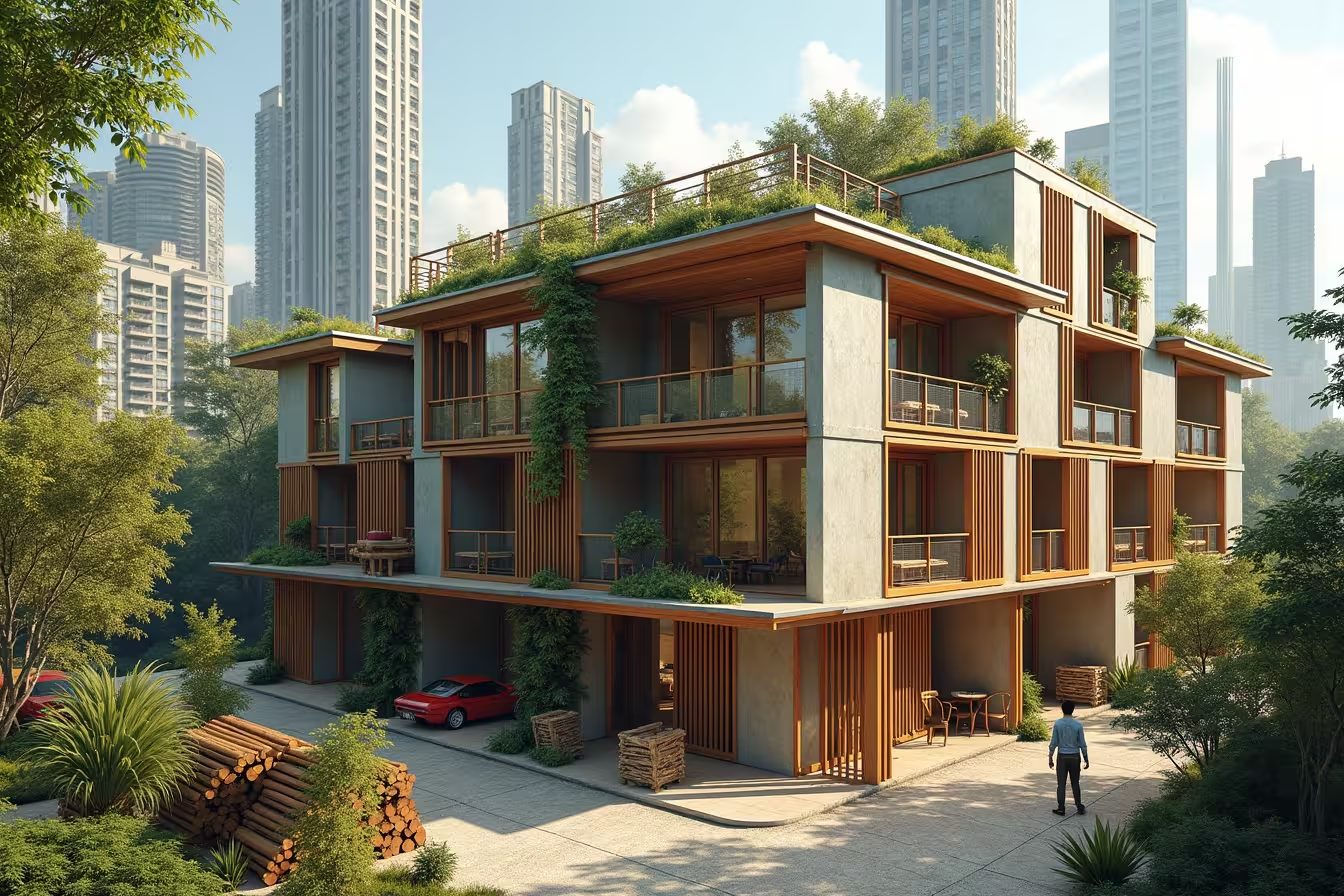
In an era where environmental consciousness is paramount, the construction industry is undergoing a revolutionary transformation. Sustainable building materials and eco-friendly construction practices are no longer just trendy buzzwords; they've become essential components in our quest for a greener future. This comprehensive guide will explore various environmentally friendly building materials and techniques that are shaping the landscape of sustainable living construction.
1. The Rise of Recycled Steel in Green Building
When it comes to sustainable building materials, recycled steel stands out as a game-changer. Unlike traditional wood framing, which contributes to deforestation, recycled steel offers a superior alternative that aligns perfectly with eco-friendly construction principles.
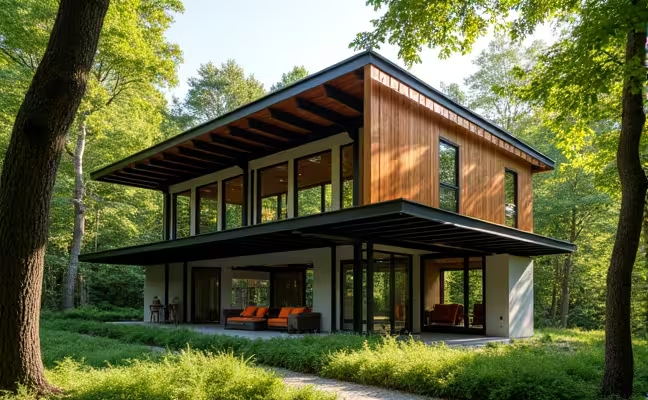
The benefits of using recycled steel in construction are numerous:
- Conservation of forests: By opting for steel, we reduce the demand for timber, helping preserve our precious woodlands.
- Durability: Steel structures can withstand the test of time, requiring less maintenance and replacement over the years.
- Material efficiency: Steel construction typically requires less material than wood framing, reducing overall resource consumption.
- Resistance to environmental factors: Unlike wood, steel is impervious to mold, pests, and fire, making it a safer choice for sustainable living construction.
Incorporating recycled steel into your building project not only contributes to a more sustainable future but also ensures a robust and long-lasting structure. It's a prime example of how eco-friendly building materials can outperform traditional options in both functionality and environmental impact.
2. Bamboo: Nature's Sustainable Building Marvel
When discussing green building materials, bamboo deserves special attention. This versatile plant has been used in construction for centuries, and for good reason. Bamboo is not only incredibly strong and durable but also one of the most rapidly renewable resources on the planet.

Here's why bamboo is gaining popularity in sustainable living construction:
- Rapid growth: Bamboo can grow up to 3 feet in 24 hours, making it an incredibly sustainable resource.
- Versatility: From flooring to wall panels, bamboo can be used in various applications throughout a building.
- Strength: Despite its lightweight nature, bamboo has a higher tensile strength than steel.
- Carbon sequestration: Bamboo absorbs more carbon dioxide and produces more oxygen than most tree species.
By incorporating bamboo into your construction project, you're not just choosing an eco-friendly building material; you're embracing a sustainable solution that offers both aesthetic appeal and structural integrity. The natural beauty of bamboo can transform any space into a serene, eco-conscious environment.
3. Reclaimed Wood: Giving New Life to Old Materials
In the realm of sustainable building materials, reclaimed wood holds a special place. This eco-friendly construction material not only diverts waste from landfills but also adds a unique character to any building project. The use of reclaimed wood epitomizes the principles of reduce, reuse, and recycle in the construction industry.
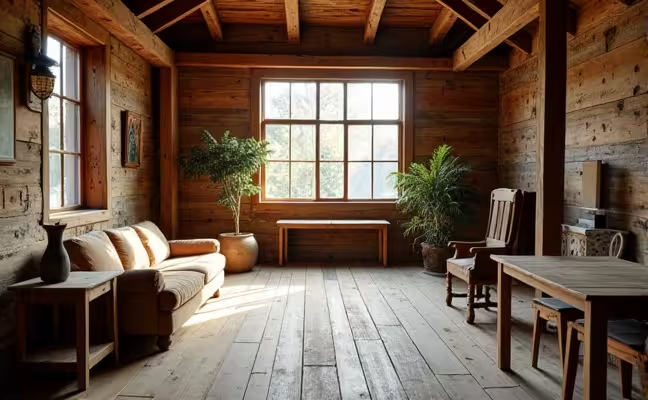
The benefits of incorporating reclaimed wood in your sustainable living construction include:
- Resource conservation: By reusing existing wood, we reduce the demand for new timber, helping preserve forests.
- Unique aesthetics: Each piece of reclaimed wood tells a story, adding depth and character to your space.
- Durability: Many reclaimed wood pieces come from old-growth forests, offering superior strength and stability.
- Reduced carbon footprint: Reclaiming wood eliminates the need for new logging, processing, and transportation, significantly reducing carbon emissions.
From flooring to furniture, reclaimed wood can be incorporated into various aspects of your building project. Its versatility and charm make it a favorite among architects and homeowners alike who are committed to environmentally friendly building practices.
4. Harnessing the Sun: Solar Panels as Building Materials
When we think of sustainable building materials, we often focus on structural components. However, integrating energy-generating elements like solar panels into the building design is equally crucial for creating truly eco-friendly construction. Solar panels represent a significant step towards energy independence and reduced carbon emissions.
Key advantages of incorporating solar panels in your sustainable living construction:
- Renewable energy source: Solar panels harness clean, unlimited energy from the sun.
- Reduced energy costs: Over time, solar panels can significantly lower or eliminate electricity bills.
- Increased property value: Homes with solar installations often command higher resale values.
- Low maintenance: Once installed, solar panels require minimal upkeep.
- Energy independence: Solar power reduces reliance on the grid, providing energy security.
As technology advances, solar panels are becoming more efficient and aesthetically pleasing, seamlessly integrating into various architectural styles. They're no longer just an add-on but an integral part of sustainable building design.
5. Insulated Concrete Forms: Energy Efficiency Meets Durability
Insulated Concrete Forms (ICFs) represent a significant leap forward in green building materials. These innovative forms combine the strength of concrete with the insulating properties of foam, creating a structure that's both energy-efficient and resilient to natural disasters.
The benefits of using ICFs in sustainable living construction include:
- Superior insulation: ICFs provide excellent thermal insulation, reducing heating and cooling costs.
- Disaster resistance: These structures can withstand hurricanes, tornadoes, and even some seismic activity.
- Sound insulation: The thick walls created by ICFs provide excellent sound dampening properties.
- Reduced air infiltration: ICFs create a tight building envelope, minimizing drafts and air leaks.
- Versatility: ICFs can be used for both residential and commercial construction projects.
By choosing ICFs, you're not only selecting an eco-friendly building material but also investing in a structure that will stand the test of time while minimizing energy consumption.
6. Low VOC Paints: A Breath of Fresh Air
When it comes to finishing touches in sustainable living construction, the choice of paint plays a crucial role. Traditional paints often contain Volatile Organic Compounds (VOCs) that can harm both human health and the environment. Low VOC paints offer a safer, more sustainable alternative.
Advantages of using low VOC paints in your eco-friendly construction project:
- Improved indoor air quality: Low VOC paints release fewer harmful chemicals into the air.
- Reduced environmental impact: These paints have less negative effect on the ozone layer and air pollution.
- Faster drying times: Many low VOC paints dry quicker than traditional options.
- Less odor: These paints typically have a milder smell, making the painting process more pleasant.
- Wide color range: Low VOC paints are available in a variety of colors and finishes.
By choosing low VOC paints, you're not just creating a more aesthetically pleasing space; you're also contributing to a healthier indoor environment and a cleaner planet.
7. Green Insulation: Wrapping Your Home in Sustainability
Insulation plays a crucial role in energy efficiency, but not all insulation materials are created equal when it comes to sustainability. Green insulation materials offer excellent performance while minimizing environmental impact.
Some sustainable insulation options include:
- Sheep's wool: A natural, renewable resource that's excellent at regulating temperature and moisture.
- Cellulose: Made from recycled paper products, cellulose insulation is both effective and eco-friendly.
- Icynene: A spray foam insulation made from castor oil, offering superior air sealing properties.
- Cotton: Recycled denim can be repurposed into effective, non-toxic insulation.
- Cork: A renewable resource that provides excellent insulation and sound dampening.
These green insulation materials not only contribute to energy efficiency but also align with the principles of sustainable living construction.
8. Cool Roofs: Reflecting a Brighter Future
Cool roofs are an innovative approach to sustainable building materials that can significantly reduce a building's energy consumption. These roofs are designed to reflect more sunlight and absorb less heat than standard roofs.
Benefits of incorporating cool roofs in your eco-friendly construction project:
- Reduced energy costs: By reflecting heat, cool roofs can lower air conditioning needs by up to 15%.
- Extended roof life: Cool roofs typically last longer due to reduced thermal stress.
- Mitigation of urban heat island effect: Large-scale adoption of cool roofs can help lower city temperatures.
- Improved indoor comfort: Even in unconditioned spaces, cool roofs can reduce indoor temperatures.
- Lower peak electricity demand: By reducing the need for air conditioning, cool roofs can help prevent power outages.
Cool roofs demonstrate how innovative sustainable building materials can have a positive impact not just on individual buildings, but on entire urban environments.
9. Maximizing Natural Light: A Bright Idea for Sustainability
While not a material per se, the strategic use of natural light is a crucial aspect of sustainable living construction. By maximizing daylight, we can significantly reduce the need for artificial lighting, leading to substantial energy savings.
Strategies for maximizing natural light in eco-friendly construction:
- Large windows: Properly placed windows can flood interiors with natural light.
- Skylights: These can bring light into areas that windows can't reach.
- Open floor plans: Fewer walls allow light to penetrate deeper into the building.
- Light shelves: These architectural elements can bounce light deeper into a space.
- Reflective surfaces: Light-colored walls and ceilings can help distribute natural light more effectively.
By incorporating these strategies, you're not just saving energy; you're creating brighter, more inviting spaces that enhance the overall quality of life for occupants.
10. Rainwater Harvesting: Tapping into Nature's Resource
In the realm of sustainable living construction, water conservation is just as important as energy efficiency. Rainwater harvesting systems represent an innovative approach to reducing reliance on municipal water supplies and conserving this precious resource.
Key benefits of incorporating rainwater harvesting in your eco-friendly building project:
- Reduced water bills: Collected rainwater can be used for irrigation, flushing toilets, and other non-potable uses.
- Decreased strain on municipal water systems: Large-scale adoption can significantly reduce demand on public water supplies.
- Mitigation of stormwater runoff: Harvesting systems can help prevent flooding and erosion.
- Improved plant health: Many plants thrive on natural rainwater, which is free from chemicals like chlorine.
- Potential for potable use: With proper filtration, harvested rainwater can even be used for drinking and cooking.
Rainwater harvesting systems exemplify how sustainable building materials and practices can extend beyond the structure itself to interact harmoniously with the surrounding environment.
Conclusion: Building a Sustainable Future
As we've explored in this comprehensive guide, there's a wide array of eco-friendly building materials and sustainable construction practices available to those committed to green building. From recycled steel and bamboo to innovative technologies like cool roofs and rainwater harvesting systems, the options for creating environmentally friendly buildings are more diverse and effective than ever before.
By incorporating these sustainable building materials and practices, we're not just constructing homes and buildings; we're laying the foundation for a more sustainable future. Each eco-friendly choice we make in construction ripples out, positively impacting our communities, our planet, and generations to come.
As someone deeply passionate about sustainable living, I've found that connecting with local professionals who share this commitment to eco-friendly construction is crucial. That's where simpleHome comes in. This platform has been instrumental in helping me find skilled contractors and suppliers who specialize in green building materials and sustainable construction techniques. Whether you're planning a full-scale eco-friendly build or looking to incorporate more sustainable elements into your existing home, simpleHome can help you connect with the right professionals to bring your vision to life.
Remember, every sustainable choice we make in construction, no matter how small, contributes to a larger movement towards a greener, more sustainable world. Let's build that world together, one eco-friendly material at a time.